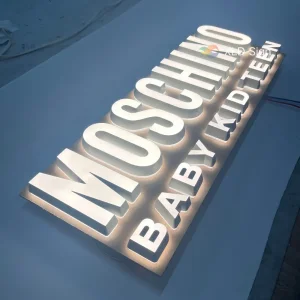
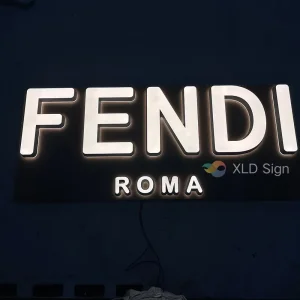
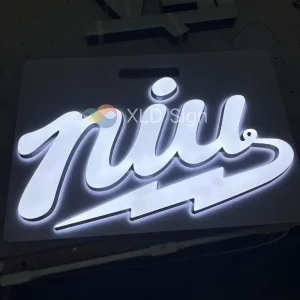
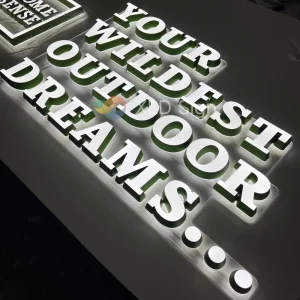
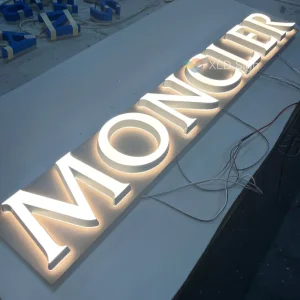
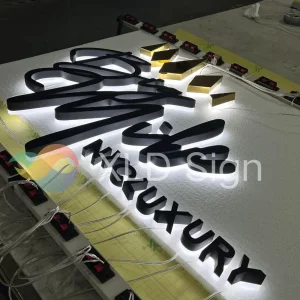
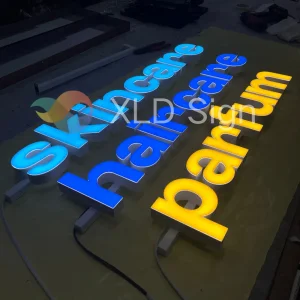
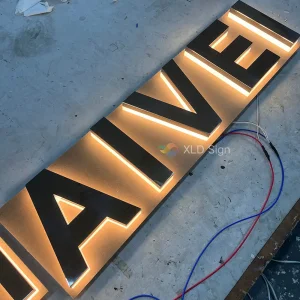
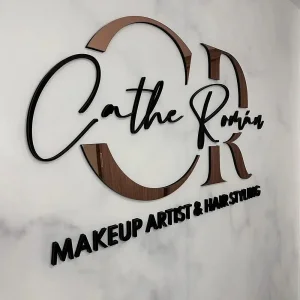
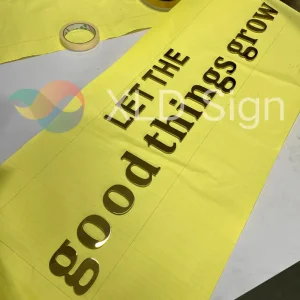
Highly durable, energy-efficient signage built using premium components to withstand demanding local utility grids.
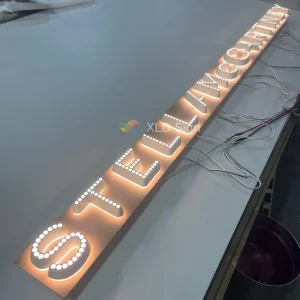
Understanding the engineering demands of illuminated signs under unique environmental and electrical constraints.
South Africa's retail and commercial landscape demands structural signage that is not only visually striking but also physically resilient. Businesses operating in Gauteng's Highveld face intense ultraviolet exposure and rapid thermal fluctuations, while coastal operations in Cape Town and Durban must navigate corrosive, high-salinity air. Beyond climate factors, the local business community faces the ongoing operational hurdle of electrical grid volatility. Traditional sign installations fail prematurely under power surges and thermal stress caused by recurring blackouts.
To survive in this environment, LED Facelit and Backlit signs must incorporate robust engineering upgrades. Instead of standard components, advanced systems utilize specialized integrated surge protectors, marine-grade metal frames, and UV-stabilized acrylic coatings. These provisions ensure that the structural integrity of your brand's physical identity remains untarnished over years of exposure.
We build our signs with Mean Well industrial power supplies designed to absorb voltage spikes when grids restore power. The integration of wide-voltage drivers (90V–264V) prevents ballast degradation and premature LED failure during sudden phase shifts.
For coastal businesses in Durban or the Western Cape, we utilize brushed or mirror-polished AISI 316 Stainless Steel and marine-grade aluminum alloys. All joints are precision TIG-welded and passivated to defend against salt-spray corrosion.
Standard signs yellow and crack within 24 months in South Africa's intense sun. Our signs use premium virgin PMMA acrylic sheets compounded with custom UV inhibitors, ensuring excellent optical light transmission (92%+) over a lifetime.
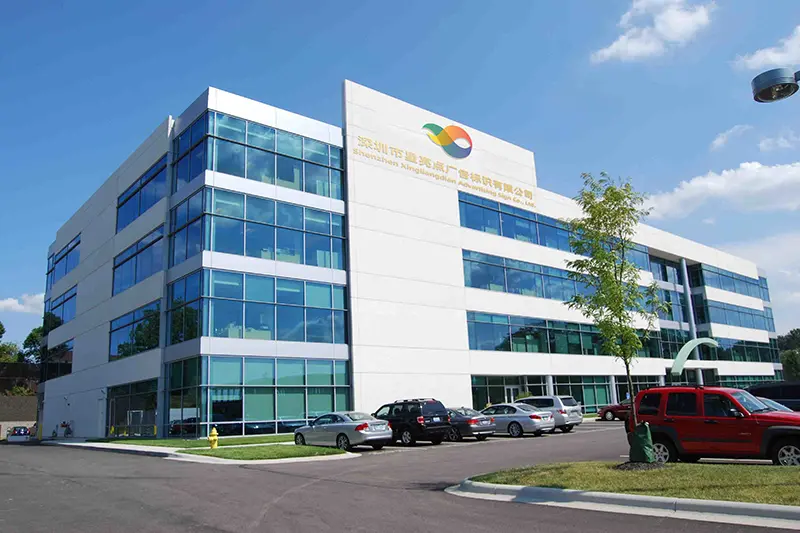
Over 25 years of specialized advertising sign fabrication, backing projects of all scales with global certifications.
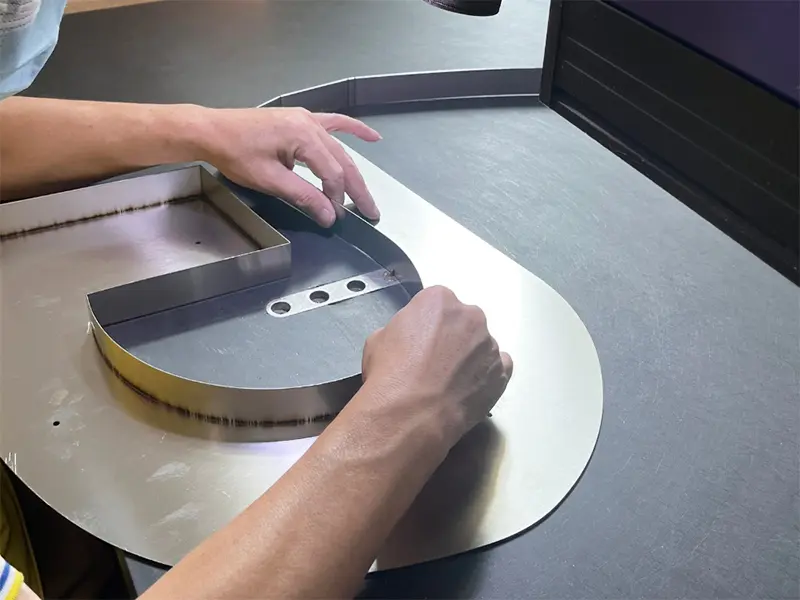
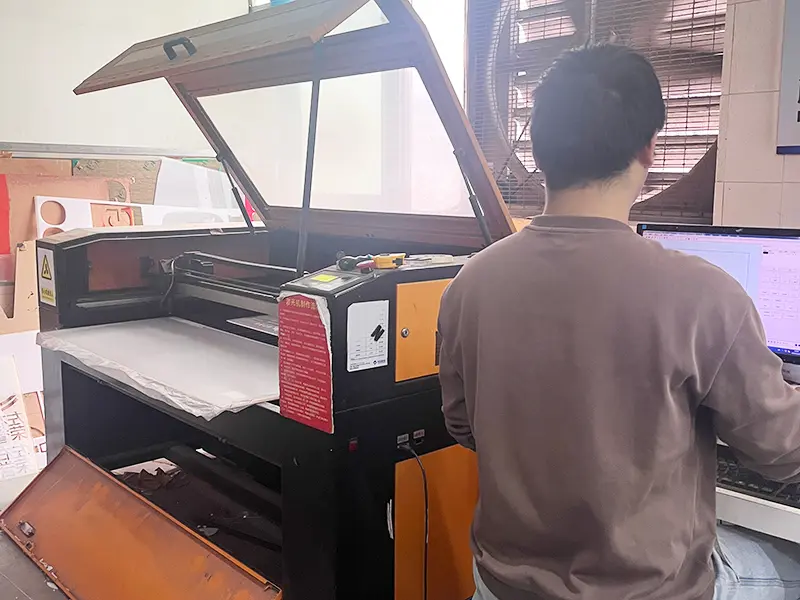
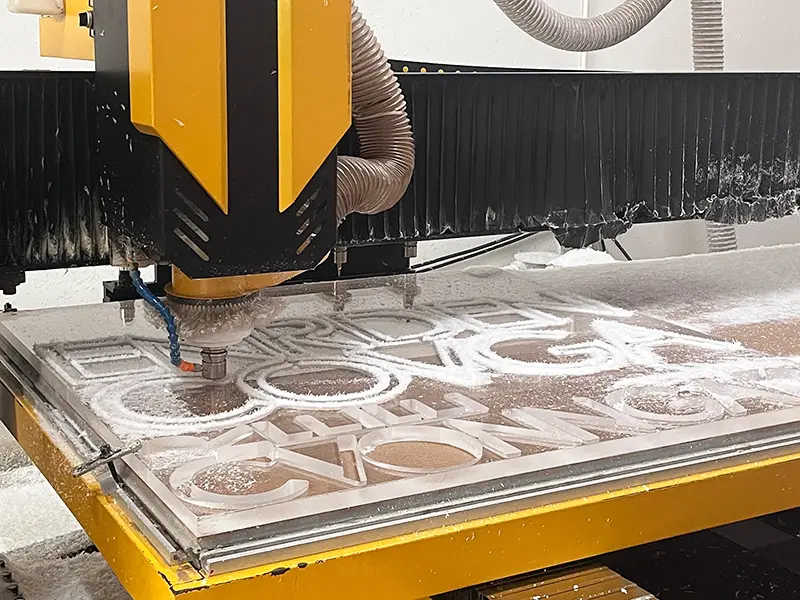
We operate a modern fabrication facility covering over 3,000 square meters, housing state-of-the-art tooling including fiber laser cutters, high-precision CNC routers, and computerized channel letter benders. We pride ourselves on custom configurations that require exacting color matches, custom structural frames, and complex illumination configurations (such as combined face-illuminated and back-illuminated letters).
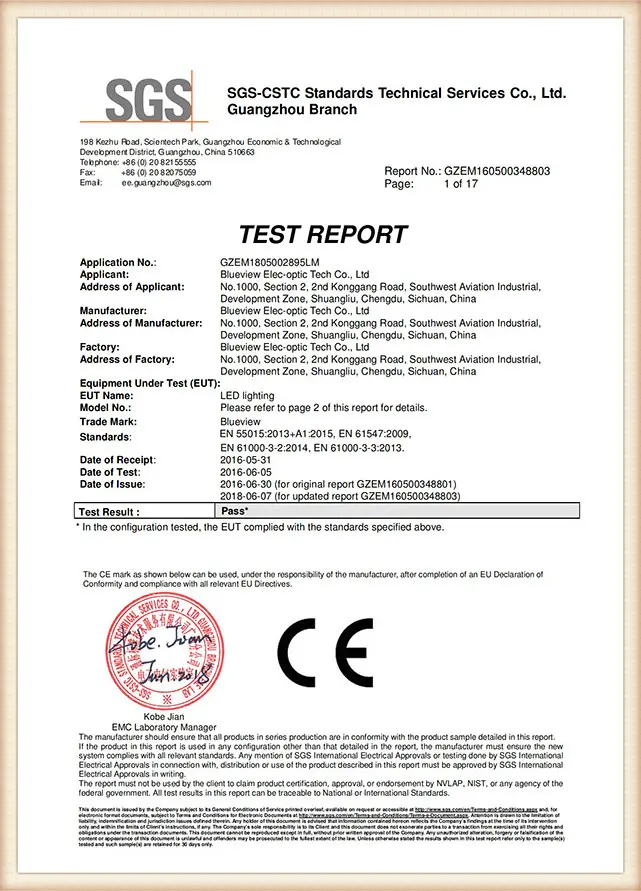
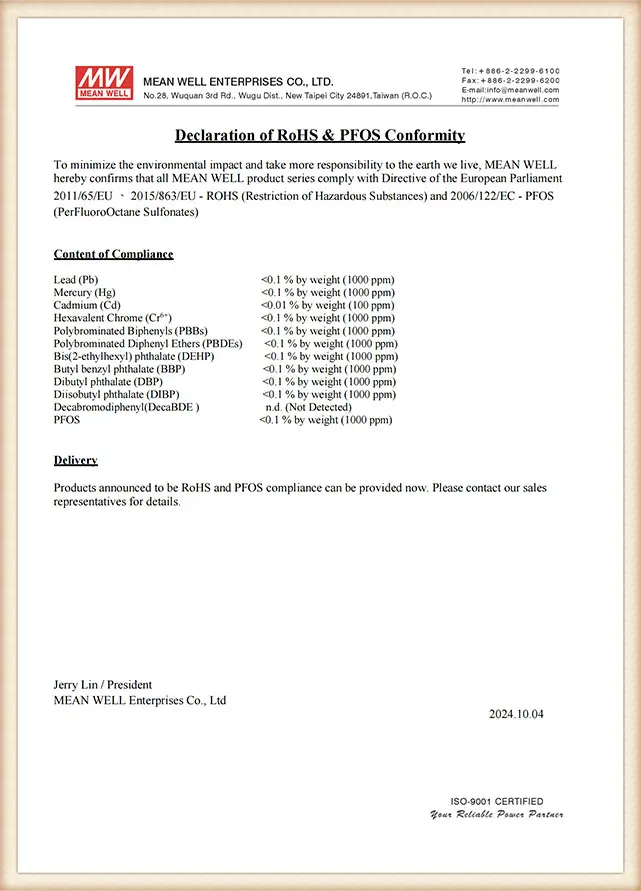
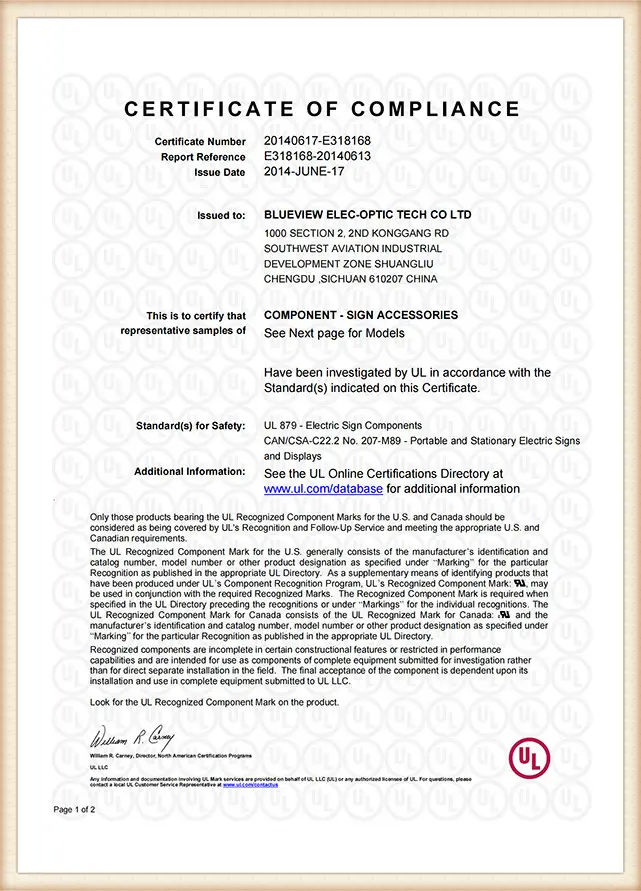
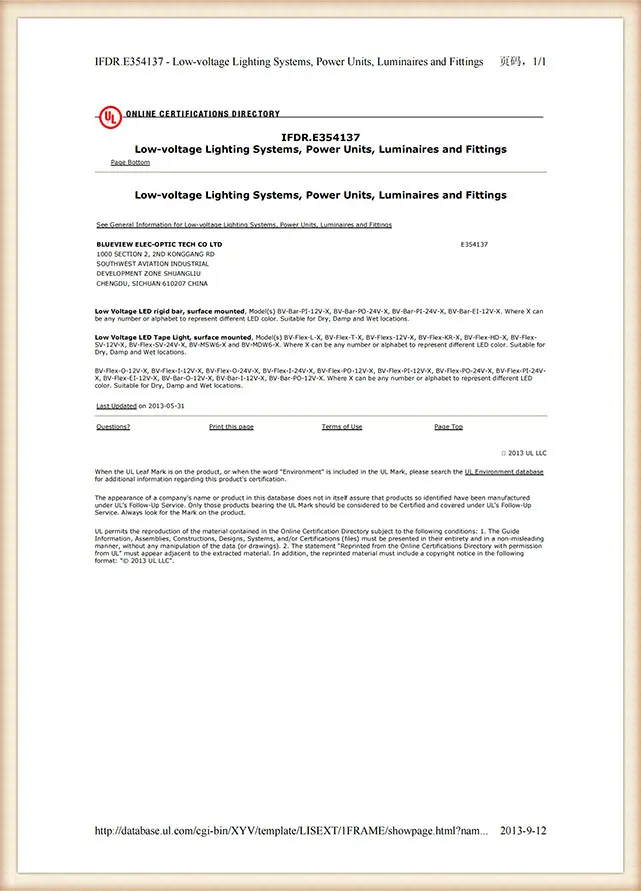
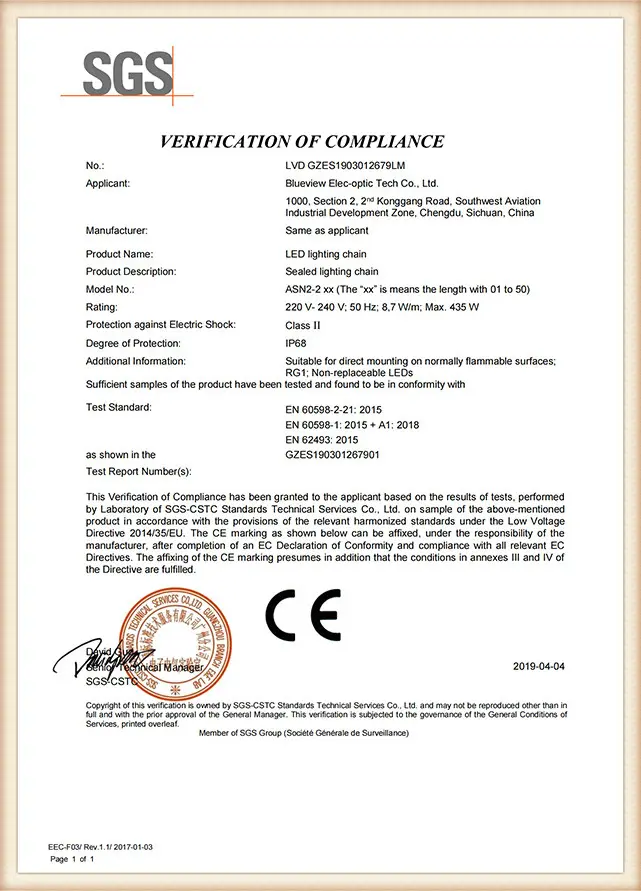
Our strict quality control procedures align with internationally recognized safety certifications. We provide engineering and electrical compliance configurations conforming to UL, CE, SAA, RCM, and RoHS. For the South African commercial sector, this means easier local municipal signage approvals and compatibility with national electrical installations.
Strategic guidance for architects, commercial designers, and procurement managers in South Africa.
| Feature Parameter | Facelit (Front-Luminous) Signs | Backlit (Halo-Luminous) Signs | Combined Front & Backlit Signs |
|---|---|---|---|
| Primary Substrate | Cast Acrylic (PMMA) / Polycarbonate | AISI 304/316 Stainless Steel or Aluminum | PMMA Face with Metal Side returns & Clear Backplate |
| Light Distribution | Direct forward beam (High Legibility) | Soft indirect glow reflecting off building facade | High contrast ambient surround with bright face accent |
| Best Suited Surface | Flat cladding, corporate signboards, retail pillars | Rough textures (stone, brick, rustic plaster) | Polished facades, premium corporate entrance portals |
| Environmental Rating | IP67 Sealed Housing with drain ports | IP67/IP68 Encapsulated LED modules | Double-chamber IP67 moisture protection |
| Energy Draw (Approx) | Moderate to High (18W - 35W per meter) | Low to Moderate (12W - 24W per meter) | High (30W - 60W per meter) |
Selecting the correct structural configuration depends heavily on target viewing distances and background wall finishes. Facelit lettering offers high clarity at long distances, making it suitable for highway-facing retail centers in Midrand or industrial warehouses along the N2 in Durban. In contrast, Backlit configurations provide an elegant halo outline that complements boutique retail spaces in Cape Town's V&A Waterfront or professional offices in Johannesburg's Rosebank.
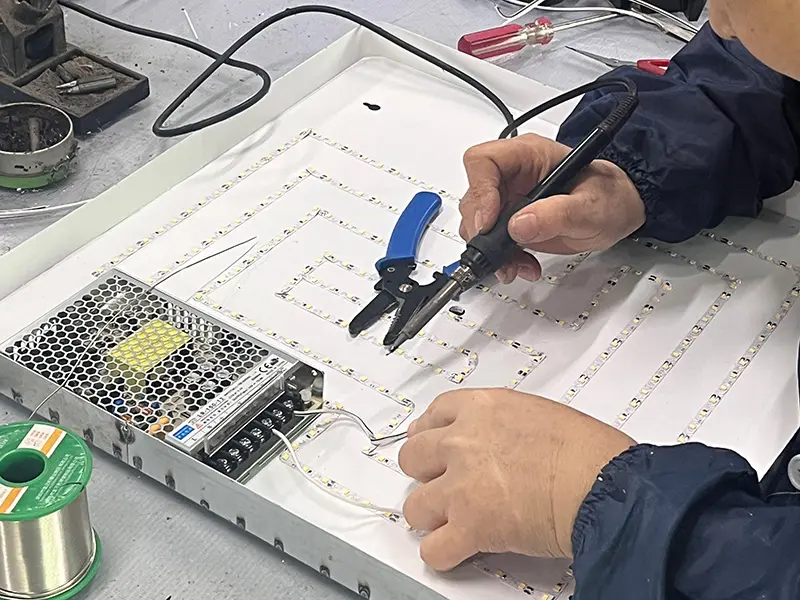
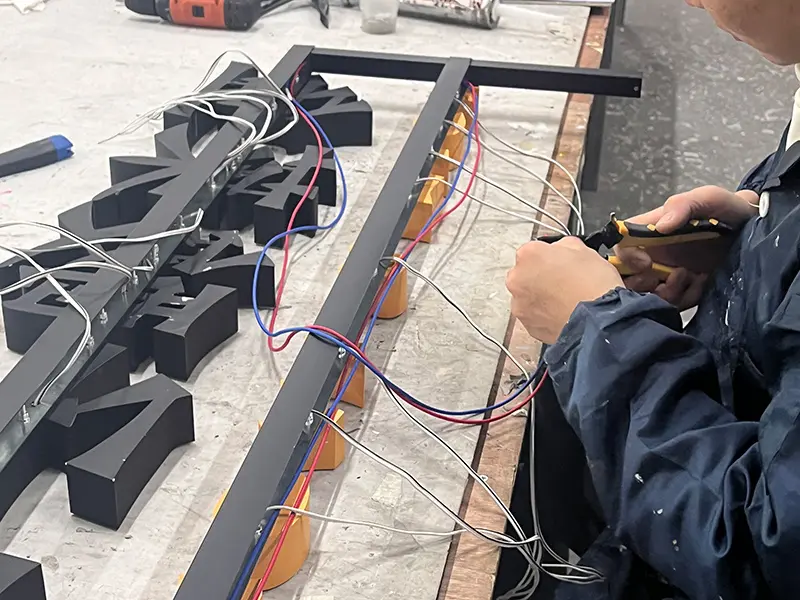
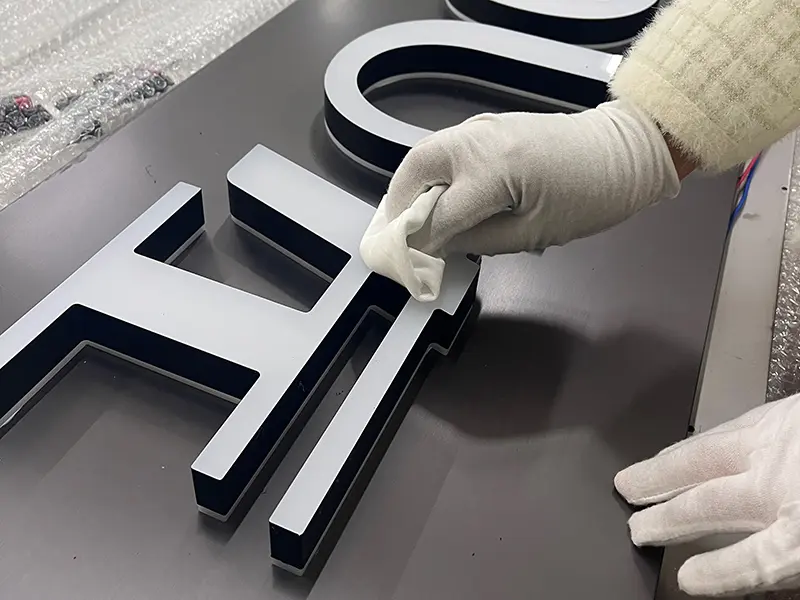
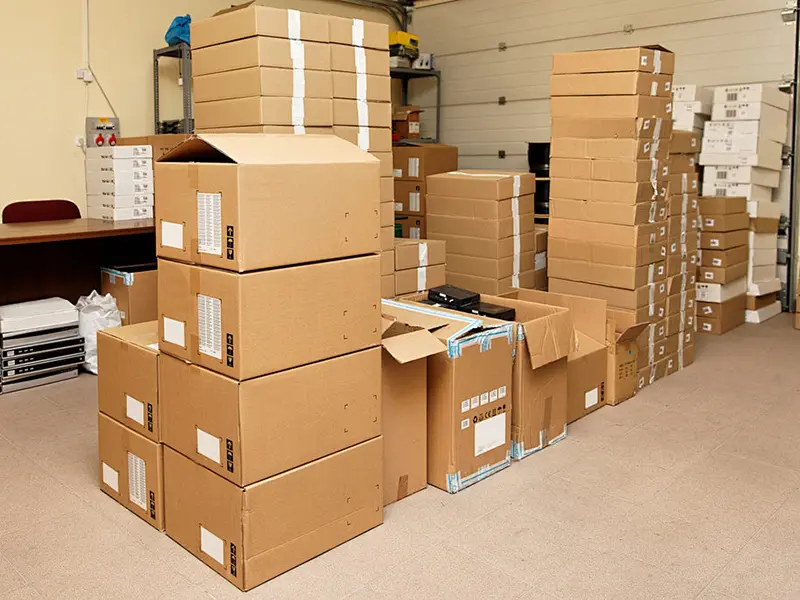
Our machinery and production lines are configured to deliver bespoke orders efficiently.
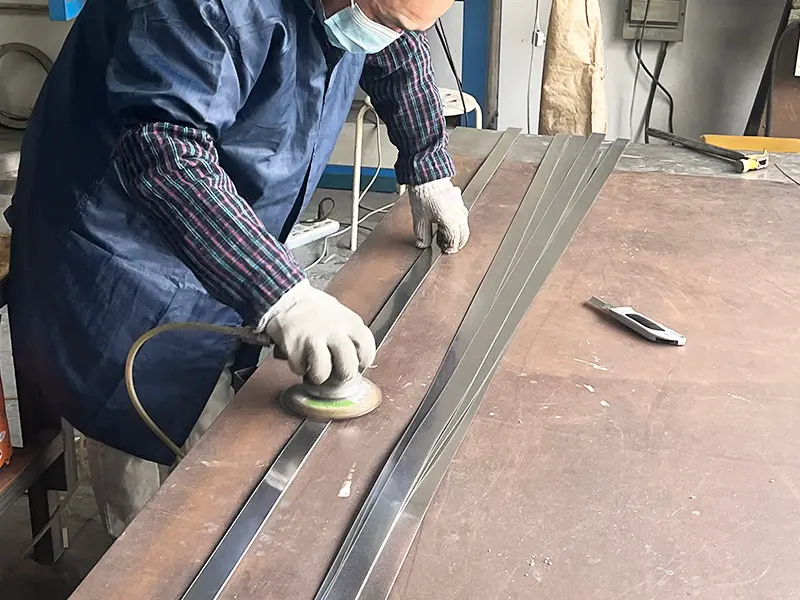
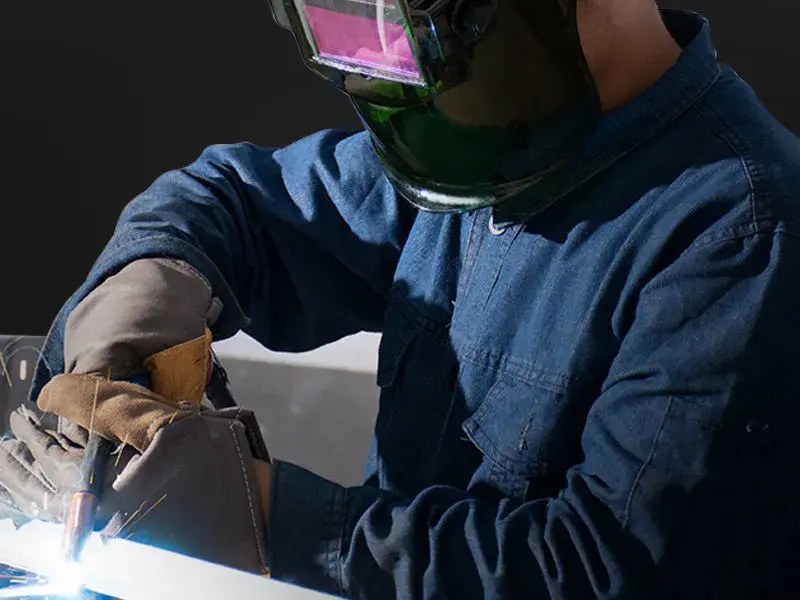
Why architectural engineering firms and international brands partner with us for South African rollouts.
Streamlined pricing structure bypasses middlemen, translating to budget savings on bulk brand rollouts.
Comprehensive layout support, custom technical drawings, and engineering backing before and after delivery.
From visual design concept, CAD structural drawings, manufacturing, to secure container packaging.
Fully bespoke styling capability, customized LED binning tolerances, and brand color alignment.
Our commitment to sustainable manufacturing and clean technology integration.
As building standards in South Africa move toward green building practices and sustainability (such as GBCSA guidelines), signage systems must follow suit. Our R&D focuses on lowering operational footprints. By transitioning to high-lumen, lower-wattage LED packages, we achieve the same lux output while cutting energy usage by up to 35%. This low energy footprint is critical for businesses running off solar PV installations or battery systems during utility outages.
Furthermore, we are expanding our circular materials footprint. This includes sourcing recycled-base acrylic resins and fully recyclable aluminum backings. In addition to minimizing environmental impact, this approach aligns with global RoHS practices, assuring corporate clients that their signage systems conform to global regulatory standards.
Answers to key considerations when importing and deploying custom LED signage in South Africa.
Discover our comprehensive collection of custom LED signs, engineered to meet diverse branding needs.
 Xinliangdian