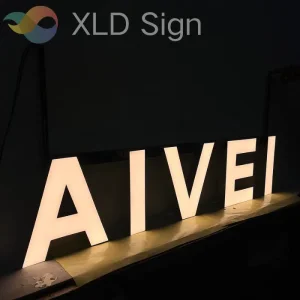
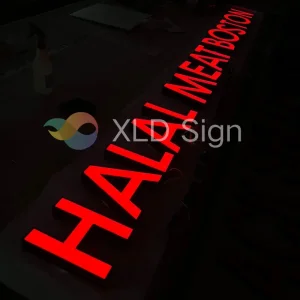
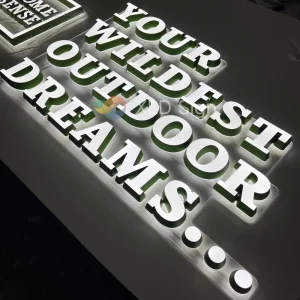
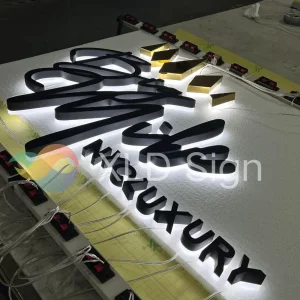
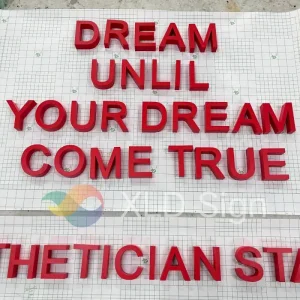
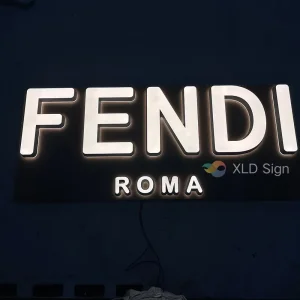
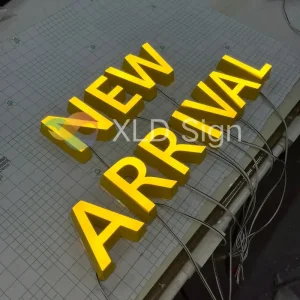
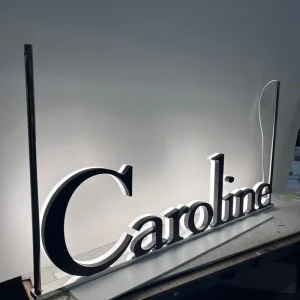
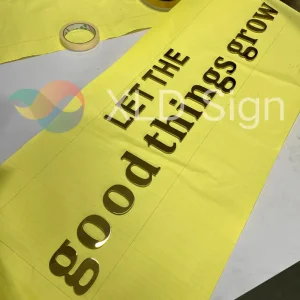
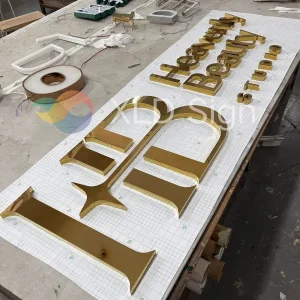
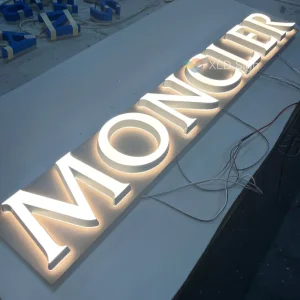
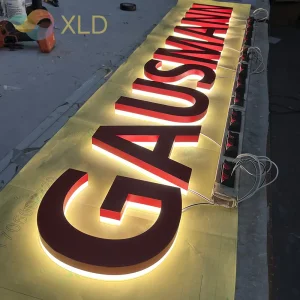
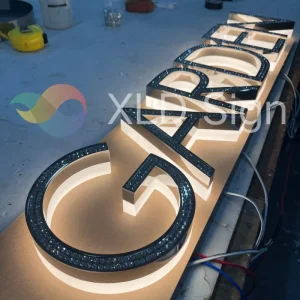
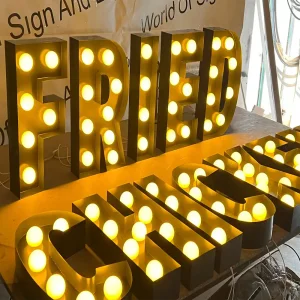
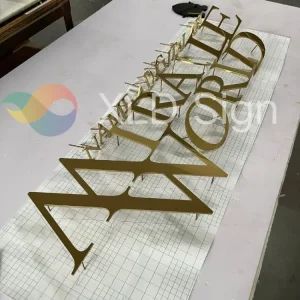
We are a professional, high-performance manufacturing facility covering an area of more than 3,000 square meters. Backed by more than 25 years of specialized production experience in the advertising sign industry, we serve as a premier strategic partner for global brands seeking customized illuminated and non-illuminated business signs.
Our comprehensive production capabilities allow us to process a wide variety of materials, ranging from structural metals to premium light-diffusing acrylics and flexible neon alternatives. Whether executing complex, large-scale multi-location corporate transitions or designing highly localized bespoke displays, our engineering workflows bring your design visions into structural reality.
Analyzing the evolution of custom plastic advertising signage within modern urban architecture, retail ecosystems, and industrial sectors.
The global industrial market for commercial signage has shifted from heavy, fragile glass neon and sheet metal structures toward advanced polymer compounds. Thermoplastic materials such as PMMA (polymethyl methacrylate/acrylic), Polycarbonate (PC), and specialized PETG are now the standards for high-visibility visual branding. These materials offer exceptional durability, high light-transmission ratios, and ease of structural thermoforming.
In high-traffic commercial zones and demanding outdoor environments, signage serves as a critical contact point between brands and customers. Advanced plastics allow companies to maintain brand consistency under varied thermal conditions. By engineering plastic structures with optimized UV stabilizers and impact modifiers, manufacturers produce display materials that withstand wind loads, extreme heat, and sub-zero temperatures without degradation.
Understanding the properties of engineering plastics is essential for choosing the right materials for specific sign installations:
Compliance and safety are critical in commercial manufacturing. Our facilities maintain strict quality controls, backed by international certifications.
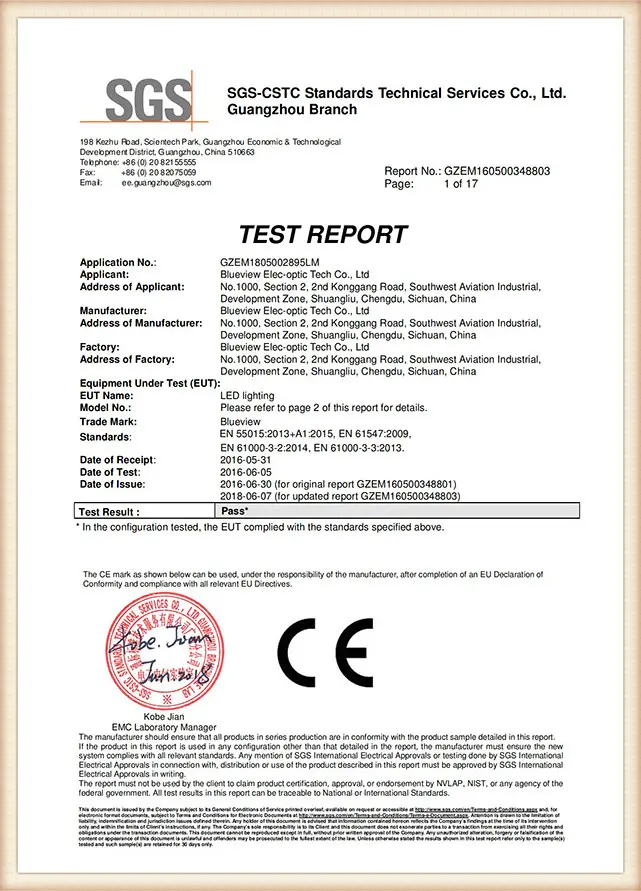
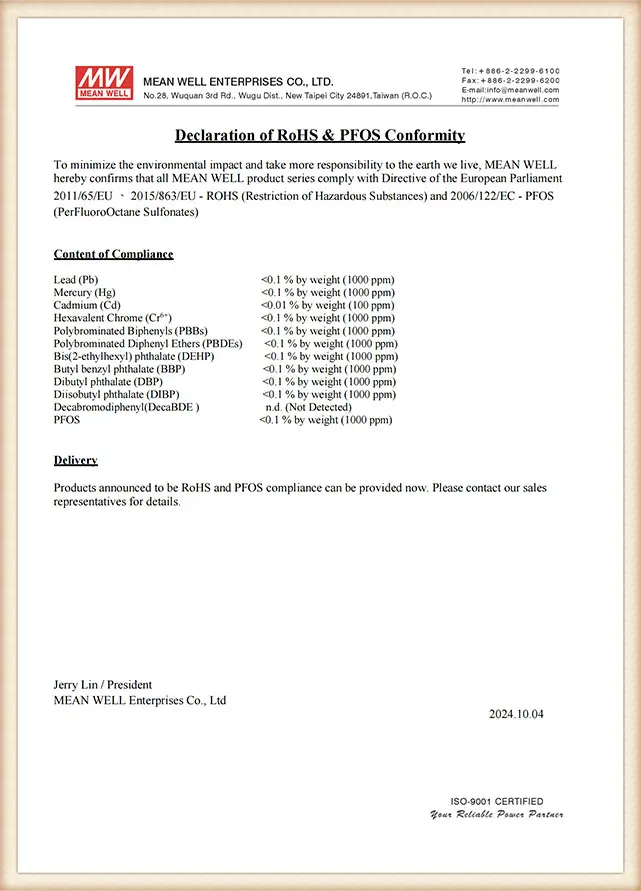
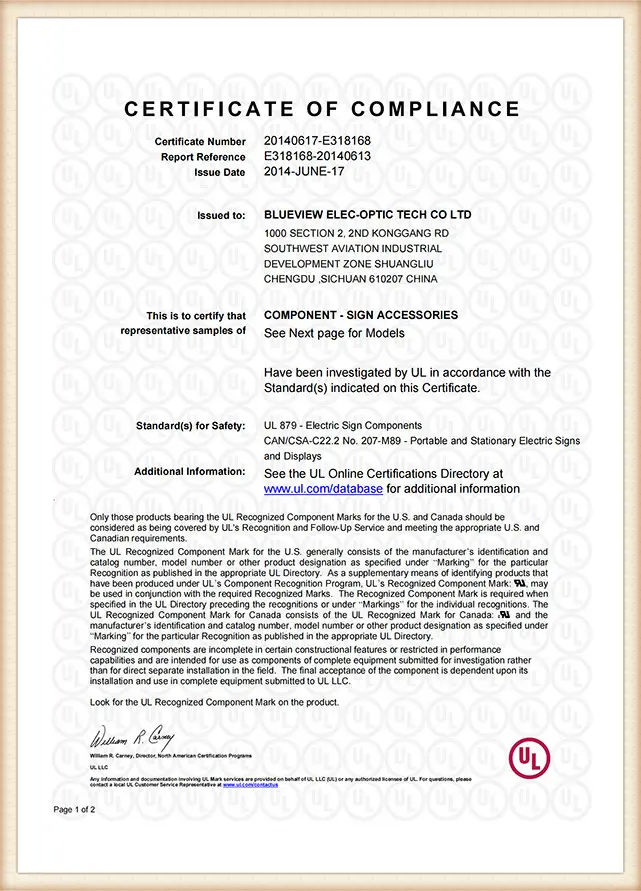
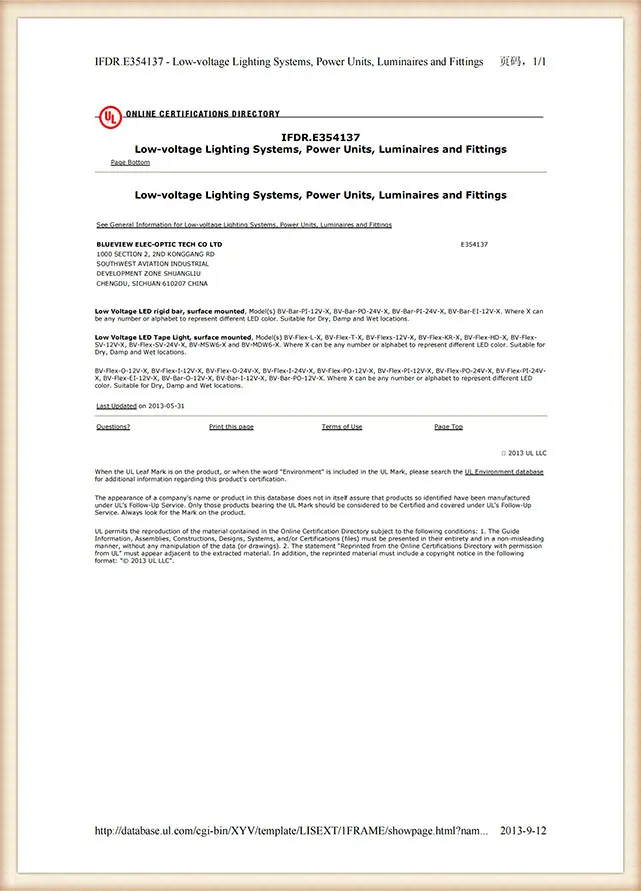
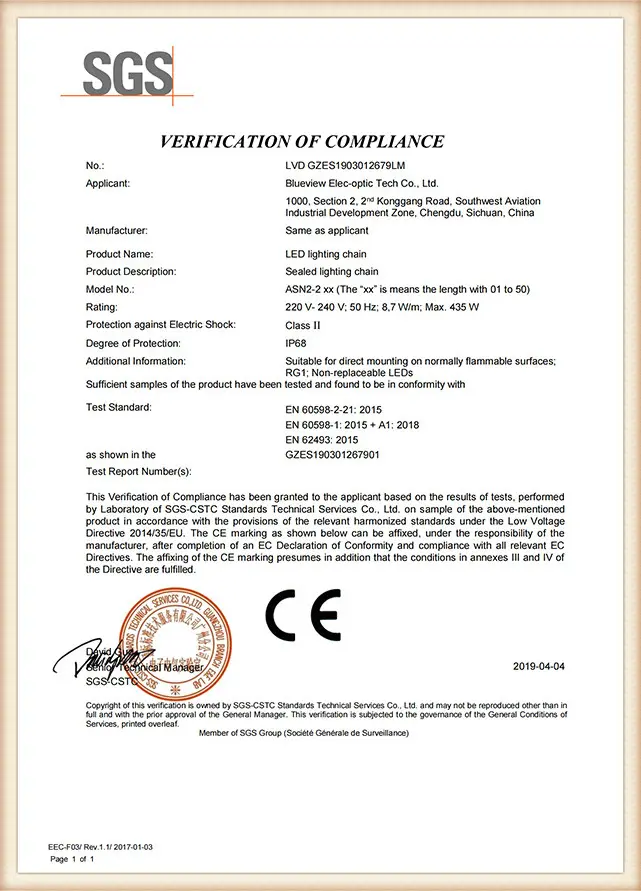
Our commitment to manufacturing safety is verified by internationally recognized standards, including UL (Underwriters Laboratories), CE (Conformité Européenne), RCM (Regulatory Compliance Mark), SAA (Standards Association of Australia), and RoHS (Restriction of Hazardous Substances). These certifications ensure that all electrical systems, acrylic diffusers, and structural frame elements conform to the safety codes of the jurisdictions where they are installed. This allows for straightforward permitting and building inspections for global rollouts.
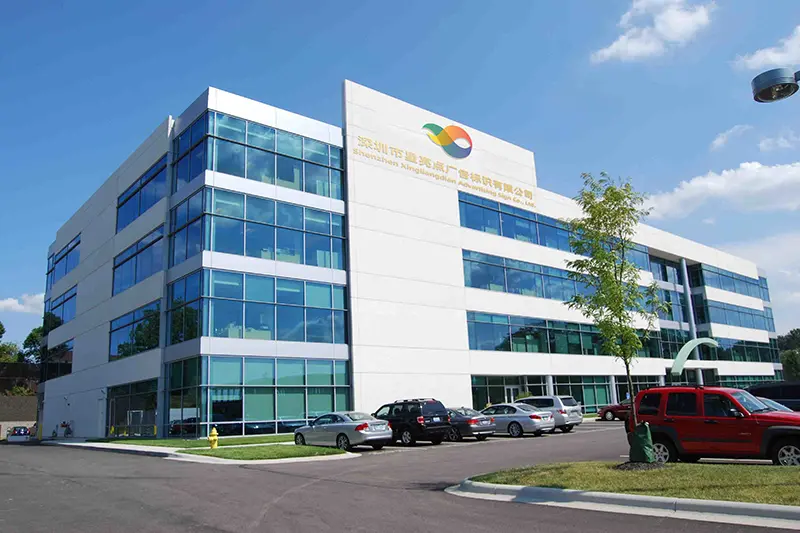
A look at our 3,000-square-meter facility equipped with high-precision manufacturing systems.
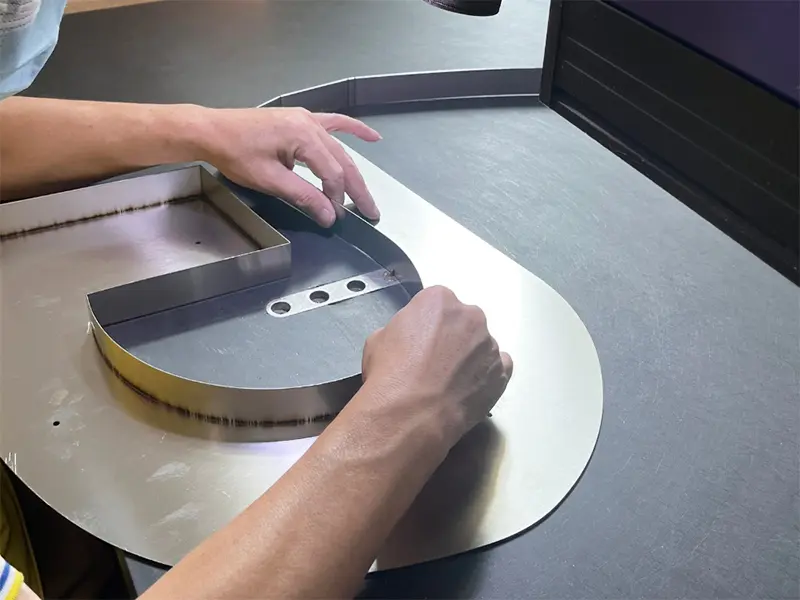
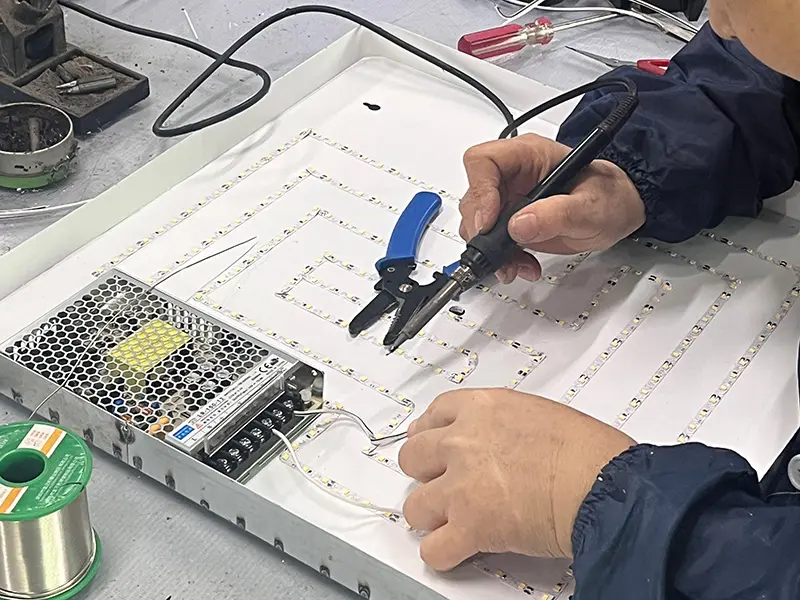
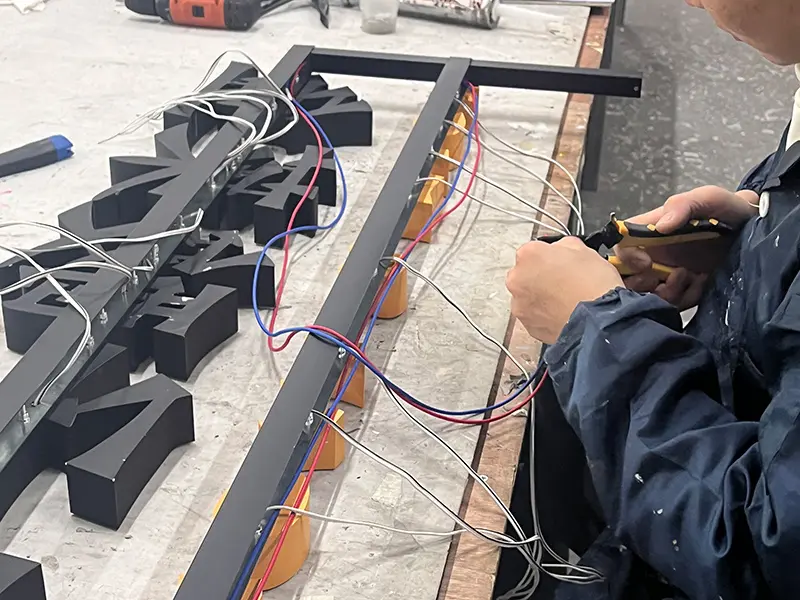
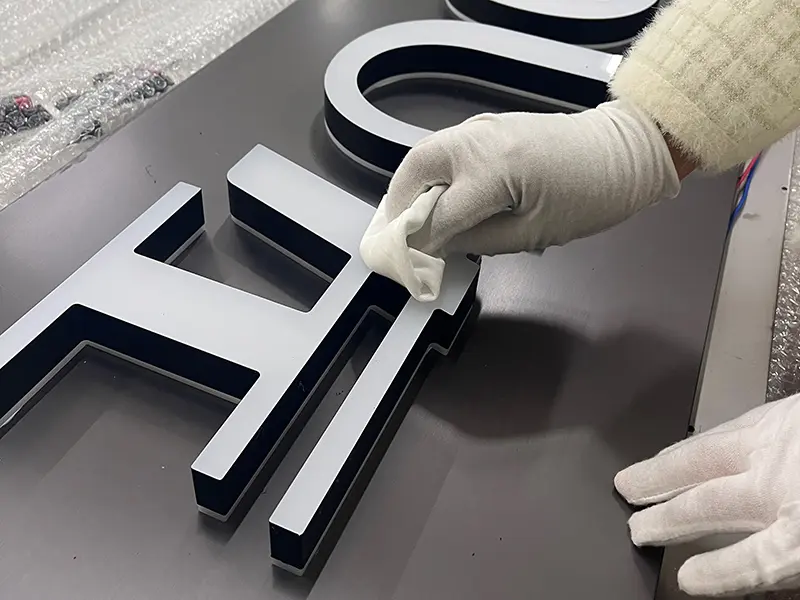
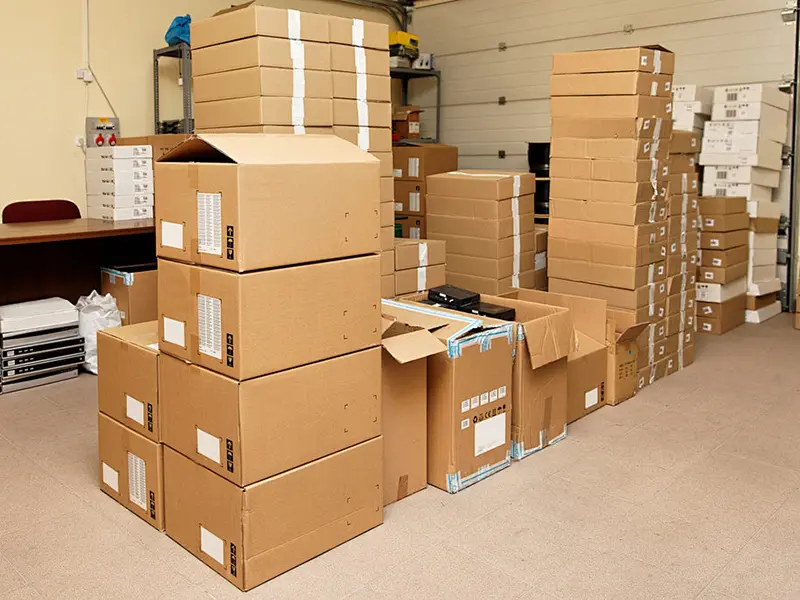
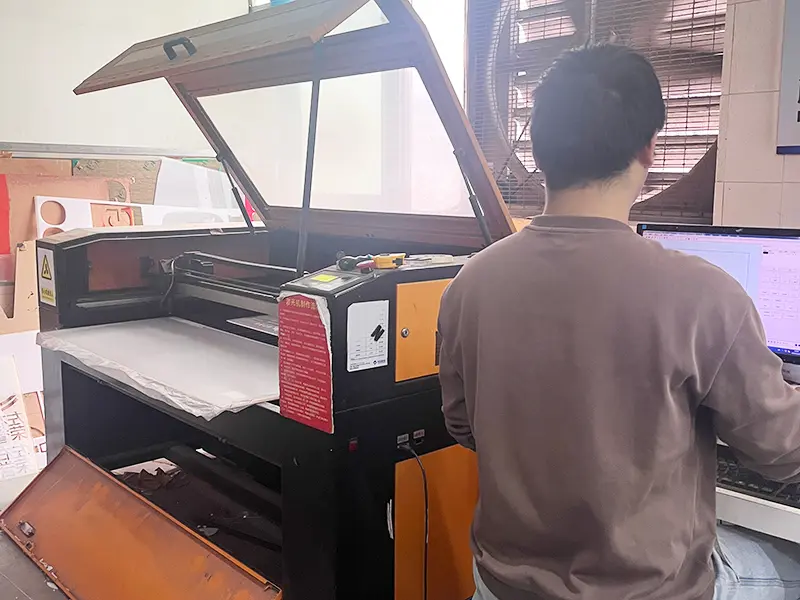
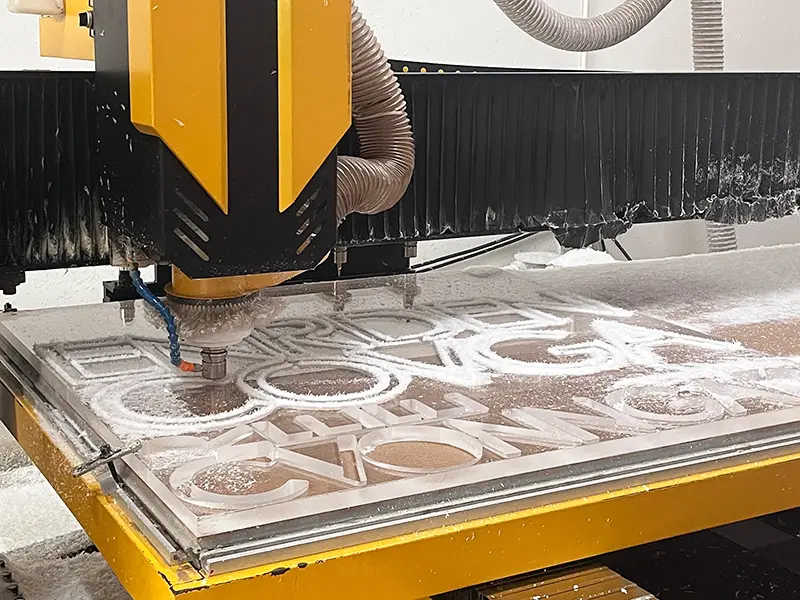
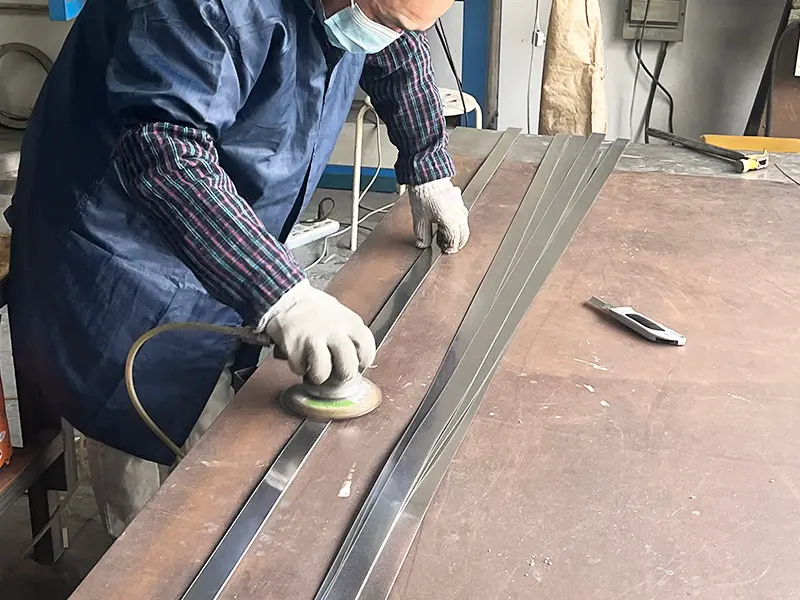
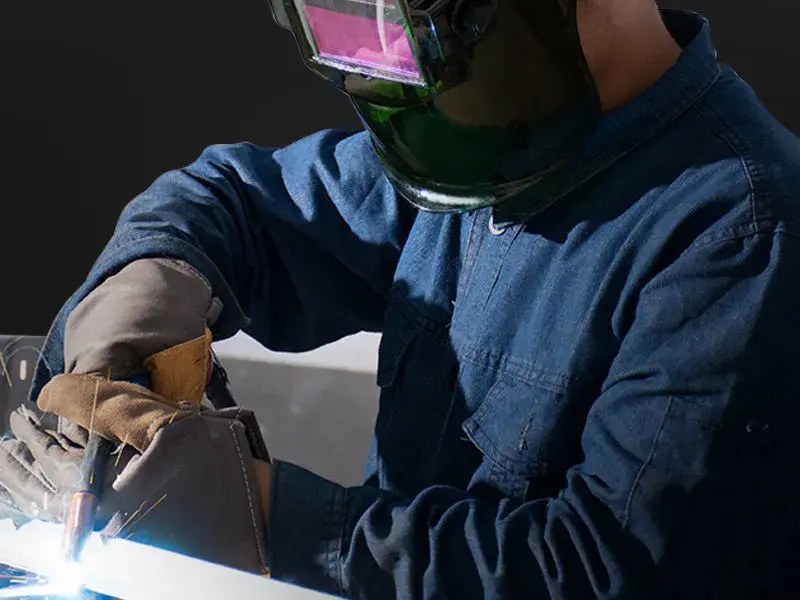
Our facility houses high-precision CNC routers, computerized laser cutters, automated metal channel benders, and vacuum-forming equipment. Integrating these digital manufacturing workflows with traditional handcrafting methods helps ensure close tolerances, clean edges, and structural integrity across every component we produce.
Why corporate brands and architectural designers choose our factory for their critical signage assets.
By operating directly from our facility, we eliminate middleman markups. This ensures competitive wholesale pricing and clear communications from engineering through delivery.
Our operations incorporate comprehensive quality control procedures, including material stress tests and 72-hour continuous LED burn-in tests before shipping.
We provide complete project support, including CAD and schematic design, structural engineering, raw material preparation, assembly, and worldwide shipping logistics.
We support extensive custom fabrication. We work from customer CAD files, architectural designs, or brand guidelines to match exact corporate dimensions and colors.
The visual graphics market is evolving quickly due to shifting urban density, changing retail designs, and updated municipal zoning regulations. Custom plastic advertising signs are no longer just passive labels. Today, they are integrated components of architectural facades and interior design plans. Businesses use physical displays to bridge the gap between their online presence and physical customer experiences.
In regions like North America and Western Europe, stricter energy regulations and dark-sky ordinances are shaping signage choices. This has accelerated the transition from high-voltage neon to energy-efficient low-voltage LED systems encased in precision-machined acrylic profiles. In the Asia-Pacific region, rapid infrastructure growth and new commercial centers have driven demand for large-scale, high-visibility thermoformed plastic displays.
Outdoor signage must be designed to withstand local environmental challenges:
The future of signage lies in integration with building automation systems. Modern designs include IoT-connected power supplies, ambient light sensors that automatically adjust LED brightness to reduce energy use, and predictive maintenance sensors that detect electrical irregularities before a module fails. This helps property managers schedule servicing before a sign goes dark, protecting the brand's presentation.
At the same time, material science continues to advance. Manufacturers are beginning to use bio-based and recycled acrylic polymers that offer the same optical clarity and UV resistance as virgin plastics. This supports corporate environmental initiatives without sacrificing the performance or lifespan of the signs.
Common questions regarding material properties, electrical specifications, and ordering processes for custom signage.
 Xinliangdian