Engineered for architectural distinction and severe local weather resistance. Standard 4-product flagship deployment.
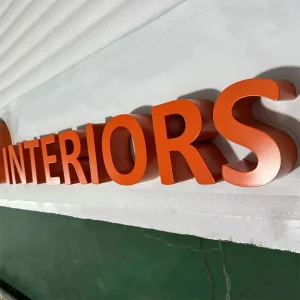
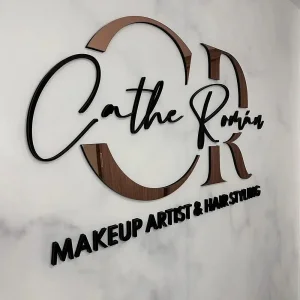
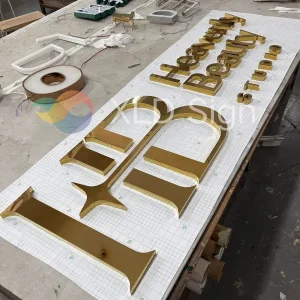
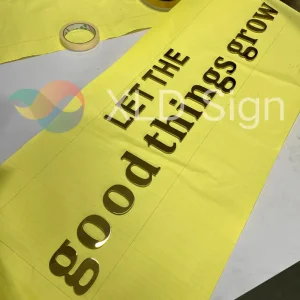
In modern commercial architecture and high-end brand deployment, non-illuminated signs represent far more than a simple cost-efficient alternative to illuminated letterings. They are a deliberate aesthetic selection. They project structural permanence, material integrity, and corporate sophistication. In the historic and rapidly urbanizing landscape of Hanoi, Vietnam, architectural signs must conform to complex urban zoning ordinances, regional climatic parameters, and rigorous environmental preservation frameworks.
Hanoi presents a highly localized market profile. In historic regions like the Hoan Kiem Old Quarter and the diplomatic enclaves of Ba Dinh, strict municipal regulations restrict bright, light-polluting illuminated signage. These laws preserve the capital's post-colonial architectural heritage and ancient facades. Here, non-illuminated dimensional lettering—crafted in solid bronze, marine-grade brushed brass, or deep-etched copper—provides the critical corporate presence required by international finance institutions, boutique hotels, and embassies without violating historic preservation rules.
Conversely, in the booming high-tech corporate corridors of Cau Giay, Nam Tu Liem, and the surrounding industrial zones such as Thang Long IP, non-illuminated signage dominates the interior design landscape. It acts as lobby logos, architectural wayfinding systems, and executive suite identification. In these applications, the accuracy of CNC laser-profiled metal letters, anodized aluminum accents, and custom-sprayed acrylic panels establishes the tactile quality of a corporate brand. It communicates precision to clients visiting multinational headquarters, manufacturing zones, and high-tech research centers.
The global architectural signage market is undergoing a transition. Global corporations are moving away from disposable, energy-consuming plastic signs toward structural, durable, and highly recyclable metals. Environmental social governance (ESG) criteria steer projects toward materials with long life cycles and zero operating carbon. Non-illuminated architectural elements, particularly those fabricated from premium 304 and 316-grade stainless steel or recyclable structural aluminum, align with international Green Building standards such as LEED and LOTUS (Vietnam's Green Building Rating System).
Hanoi is situated at the epicenter of Northern Vietnam's industrial growth. Our Hanoi manufacturing facility leverages this strategic geography. It operates in proximity to global supply chains and metal distribution pipelines. This local presence lets us source high-grade raw metals while maintaining rapid turnaround times for domestic developments and international logistics. Over the past decade, Hanoi has evolved from a domestic fabrication center into a major export base for custom metalwork. Signage engineered and certified in Hanoi is regularly shipped to demanding retail, commercial, and industrial markets in North America, Australia, and Western Europe.
Deep engineering experience meets comprehensive, state-of-the-art metal and polymer processing.
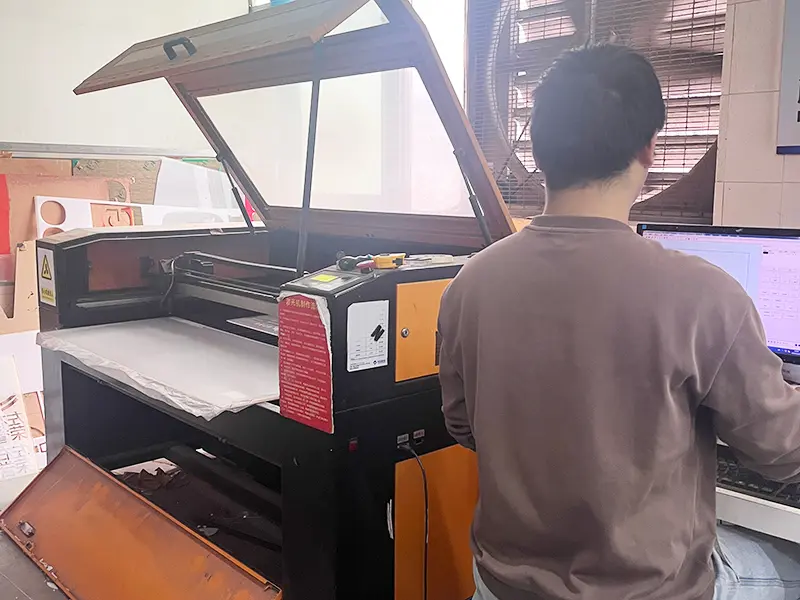
We are a professional, engineering-first signage factory covering a production space of **more than 3,000 square meters**. With **over 25 years of production experience** in the advertising and architectural sign industry, we specialize in high-end structural signs, including custom non-illuminated business signage, premium light boxes, and specialty acrylic displays.
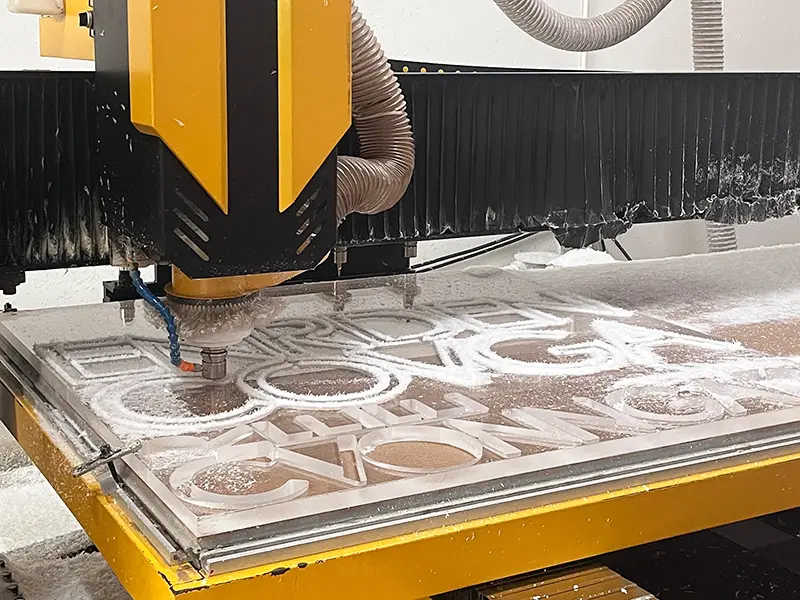
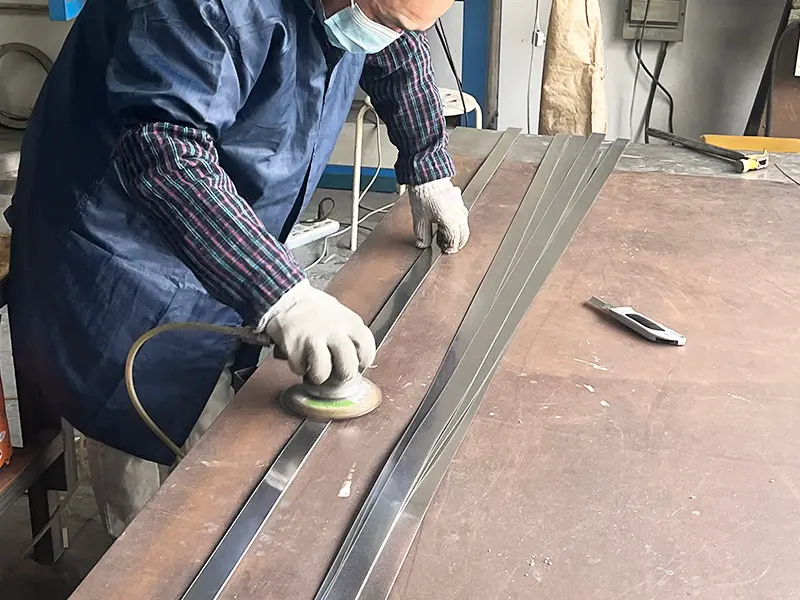
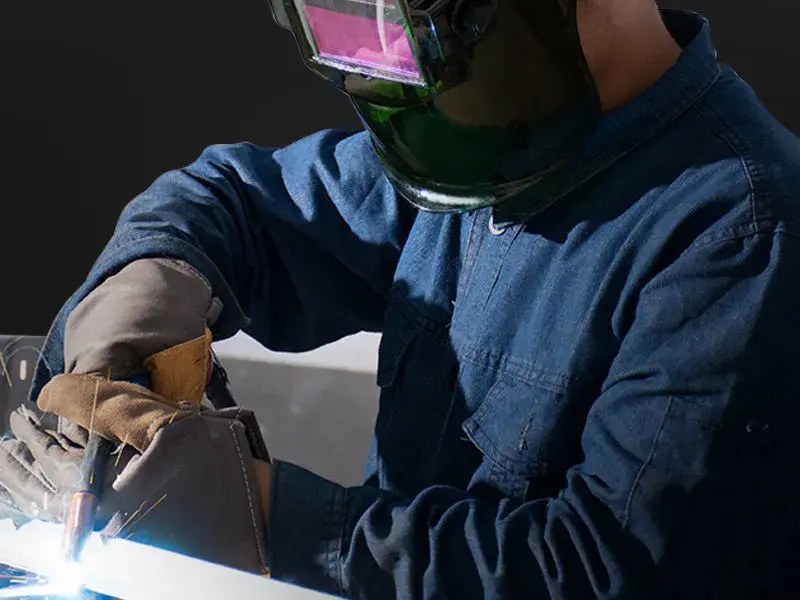
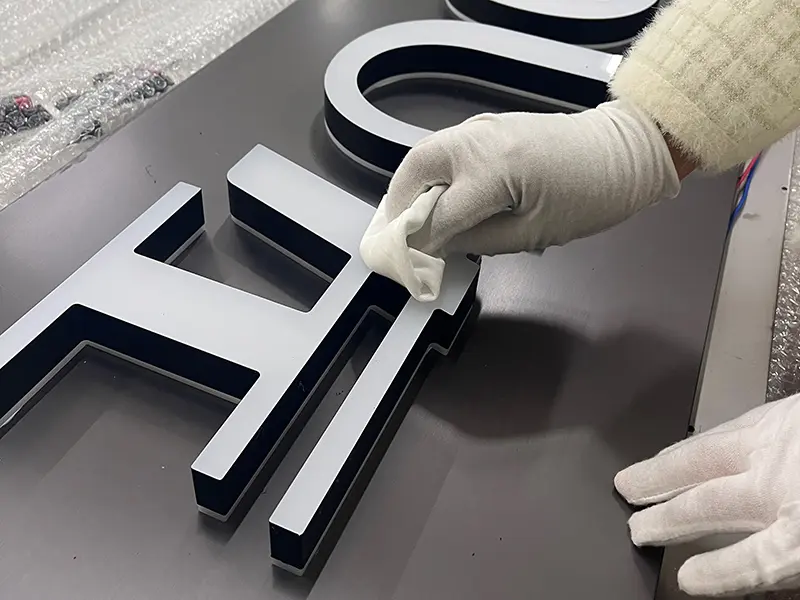
Our facility integrates digital drafting, computer-aided manufacturing (CAM), and manual finishing techniques. This integration guarantees that every custom sign meets strict architectural drawings. We support global developers, brand managers, and local fit-out contractors with high-precision fabrication that handles complex designs and challenging site installations.
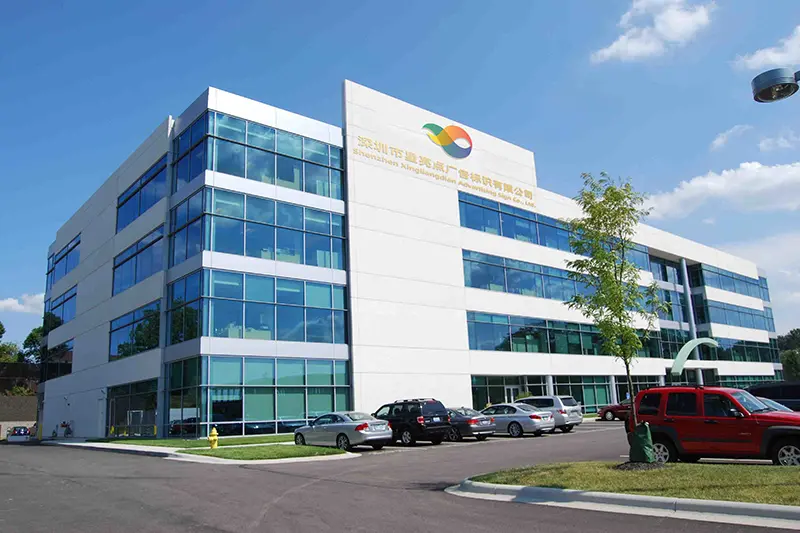
Take a virtual walkthrough of our production facilities in Hanoi, detailing our heavy-duty industrial processing lines.
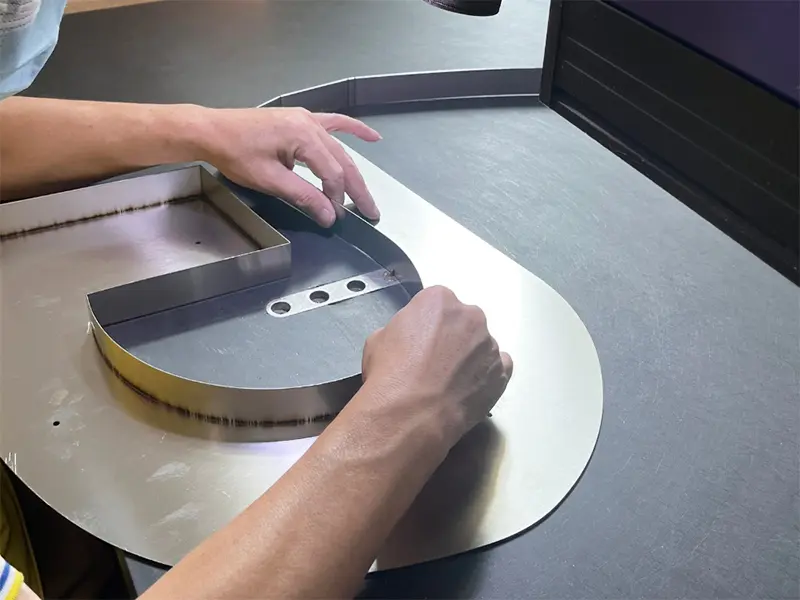
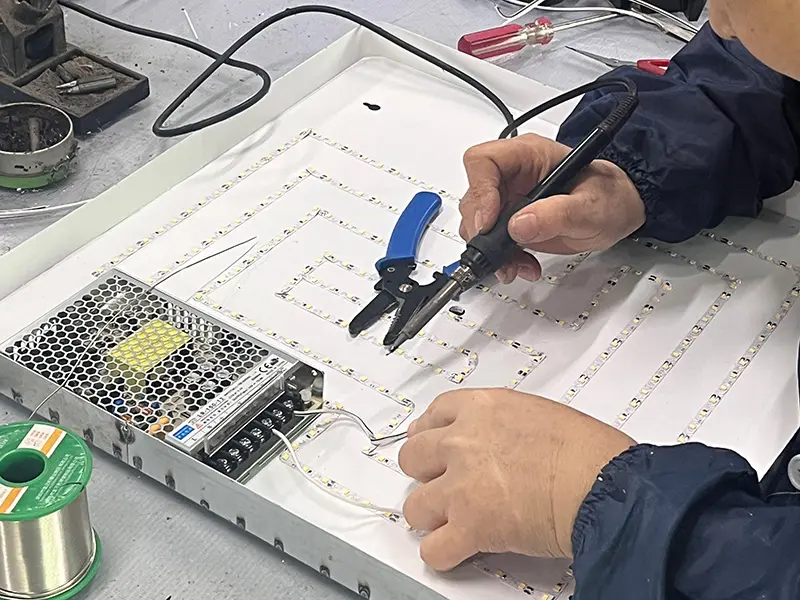
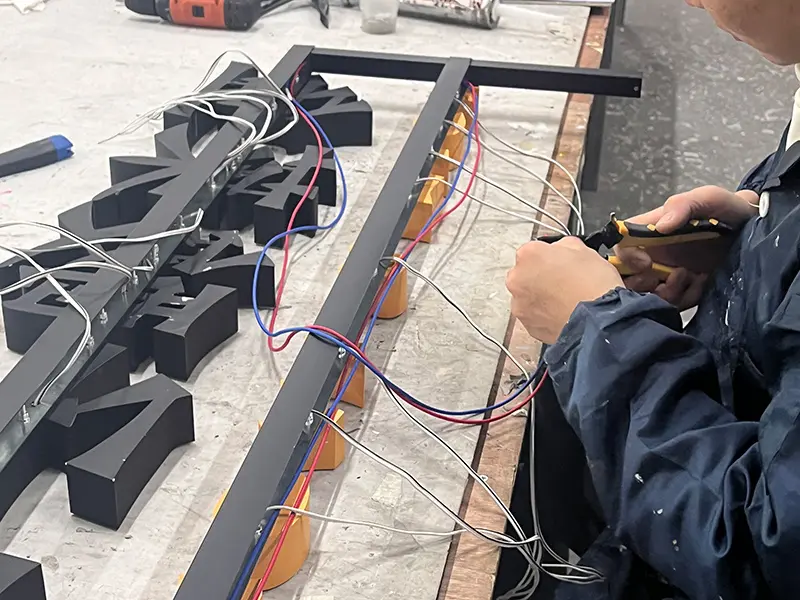
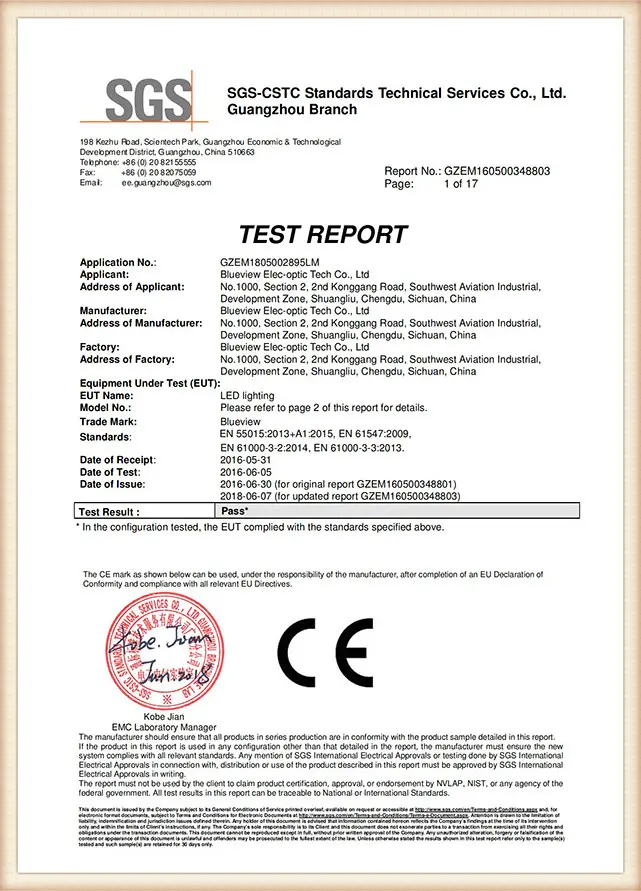
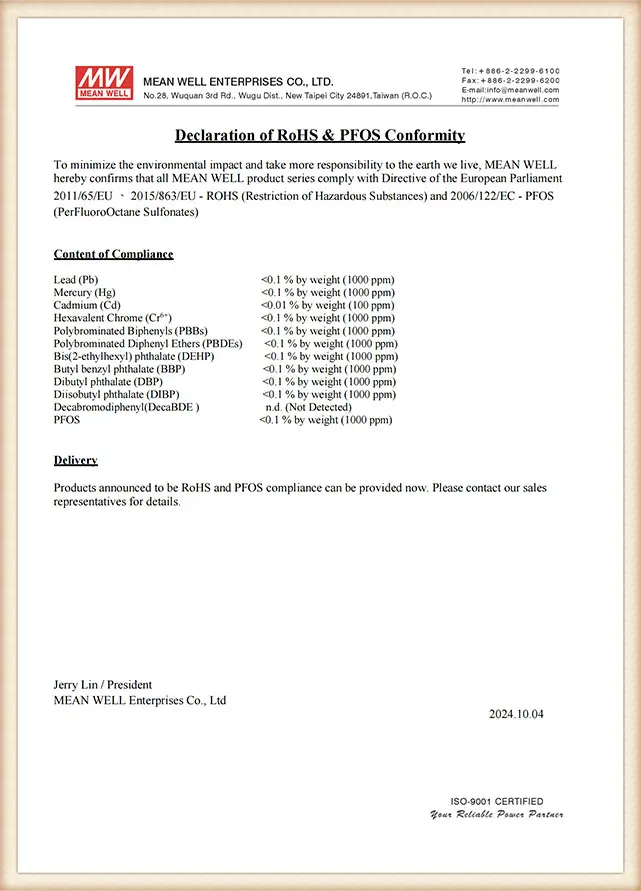
Our commitment to safety, material purity, and structural reliability is backed by global verification standards.
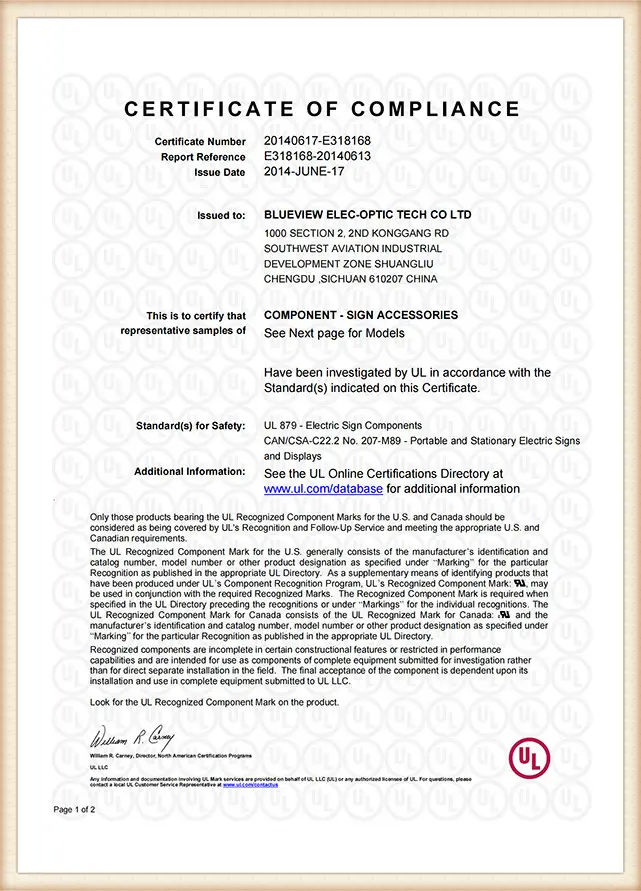
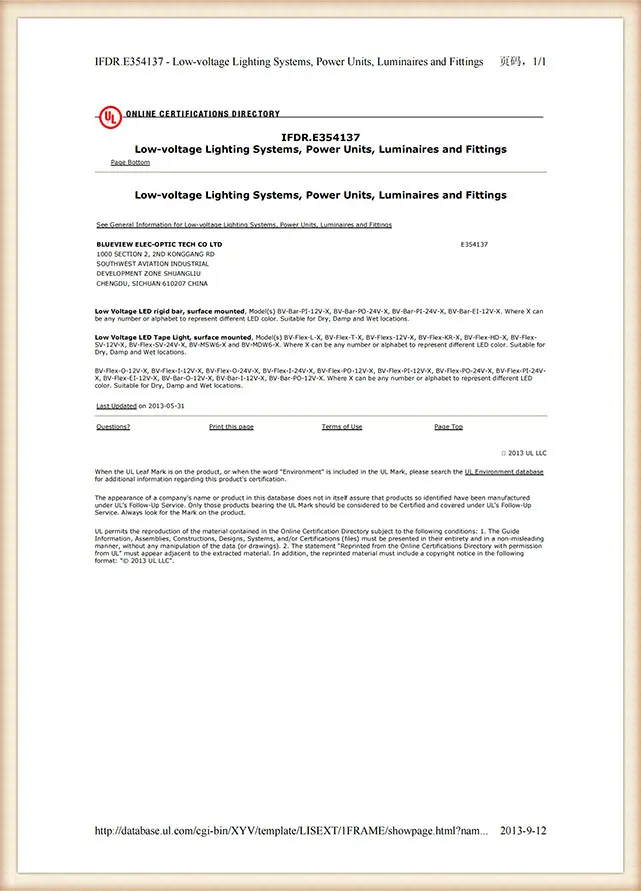
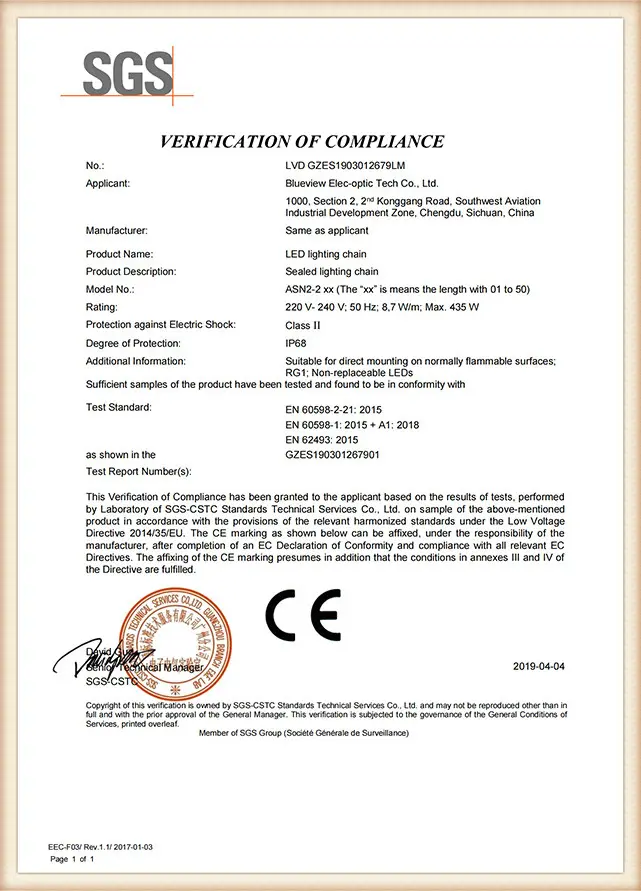
Select the optimal material substrate based on installation environment, mechanical exposure, and wind load demands.
| Material Substrate | Available Grades | Surface Finishes Available | Hanoi Climatic Performance | Average Outdoor Lifespan |
|---|---|---|---|---|
| 304 Stainless Steel | Aisi 304, Standard | Satin Brushed, Mirror Polished, PVD Gold, Titanium Black | High resistance to humidity. Suitable for urban lobbies and corporate facades. | 10 - 15 Years |
| 316 Marine Stainless Steel | Aisi 316, Premium | Electropolished, Satin, Bead Blasted | Exceptional resistance to acidic rains and high humidity. Recommended for heavy industrial environments. | 20+ Years |
| Anodized Aluminum | 6000 Series Structural | Clear Anodized, Color Anodized, Powder Coated (Tiger Coatings) | Ultra-lightweight, zero rust risk. Excellent for high-rise exterior installations. | 12 - 18 Years |
| Architectural Acrylic | Cast PMMA (Perspex/Mitshubishi) | High Gloss Pigmented, Matte, Frost, UV-Printed | Highly stable against yellowing. Ideal for internal corporate plaques and wayfinding. | 7 - 10 Years (Indoor) |
| Corten Weathering Steel | Structural A588 | Natural Rust Oxidation, Sealed Patina | Develops a protective oxide layer. Suitable for outdoor parks and cultural centers. | 25+ Years |
Outdoor physical signage in Hanoi must endure high humidity levels, intense summer heat index values, and periodic heavy monsoon downpours. These environmental conditions present specific structural challenges for sign fabricators:
The mix of atmospheric moisture and urban carbon pollution can rapidly degrade low-grade metals. At our Hanoi facility, we use AISI 304 and 316 stainless steel profiles. All laser-cut edges are cleaned and passivated to restore the chromium oxide barrier. This passivation prevents localized rust spots along the heat-affected zones of cut edges, keeping the signs pristine for decades.
During the summer typhoon season, external facades in Hanoi can face sudden, high-velocity wind loads. Our design team uses finite element analysis (FEA) to calculate wind pressures on large-format dimensional signs. We adjust back-plate thicknesses, stud placements, and masonry expansion sleeves to withstand wind gusts of up to **W = 120 kg/m²** (in accordance with Vietnamese National Construction Standard TCVN 2737:1995).
Summer temperatures in Hanoi often exceed 40°C, causing significant thermal expansion in large metallic and acrylic elements. We design non-illuminated mounting brackets with precise slip joints and expansion clearances. This prevents warping or structural buckling. Acrylic components are cast PMMA with built-in UV stabilizers. They resist long-term yellowing and embrittlement from solar exposure.
Why architectural firms and property developers choose us as their signing partner in Southeast Asia.
Equipped with advanced CNC laser cutting, automated water-jet shaping, sheet folding, and high-performance QC bays.
We deliver comprehensive after-sales guarantees, strict material certificates, and design inspections for every structural sign.
From CAD rendering and structural analysis to custom wood packaging and worldwide logistics support.
We work closely with architects, interior designers, and commercial contractors to deliver bespoke signage projects.
Hanoi's financial and technology corridors demand striking indoor lobbies. Premium, non-illuminated, flat-cut metal logos and dimensional letters are commonly installed on marble, wood-paneled, or raw concrete backdrops. With precise spacing offsets, these elements generate elegant shadows that highlight the textures of the wall surfaces.
Large-scale wayfinding arrays, main gate monoliths, and campus directionals require durable, readable signs. Here, non-illuminated structural aluminum pylons and large-format stainless steel signs provide the durability and legibility needed for industrial operations.
Luxury boutiques and dining outlets use non-illuminated signs to project craftsmanship and premium positioning. Satin PVD gold finishes, distressed copper patinas, and matte painted details help stores stand out in Hanoi’s dense streetscapes.
Answers to common structural, material, and logistical questions from architects and project managers.
Grade 304 is the industry standard for interior and typical exterior signage in Hanoi. It offers excellent corrosion resistance and workability. However, for industrial zones with higher chemical exposure or coastal areas, we recommend Grade 316. 316 contains molybdenum, which protects against pitting and corrosion from acidic rain and high airborne particulates.
We support three primary mounting options: 1) **Flush Mount**: Threaded studs are screwed into the back of the letters and anchored directly into the wall face with epoxy. 2) **Stand-off Mount**: Spacers are used to raise the letters off the wall surface, creating a shadow effect. 3) **Rail Mount**: Letters are pre-assembled onto horizontal rails, minimizing the number of anchor holes needed in the building's facade.
We provide architects and contractors with detailed CAD shop drawings, structural wind calculations, and material certification reports. These documents are ready to be submitted to Hanoi's municipal planning departments for local code and historical preservation reviews.
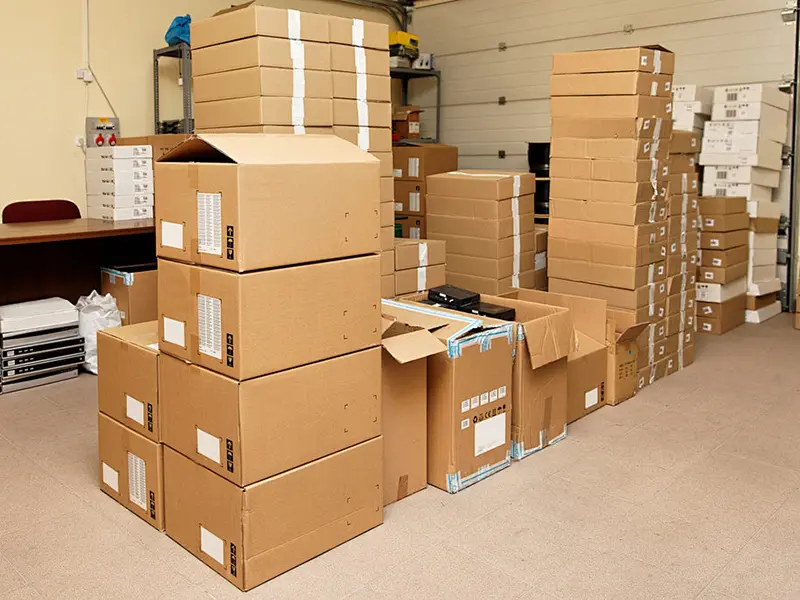
Yes. We routinely export signs worldwide. All products are protected with high-density foam wrapping and packed into custom-built, ISPM-15 certified wooden crates. This process protects the signs during ocean or air transport, ensuring they arrive undamaged and ready to install.
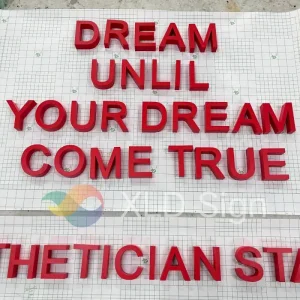
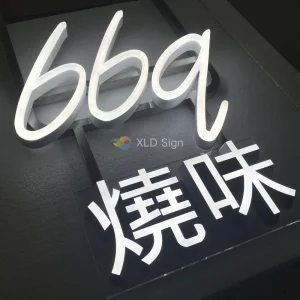
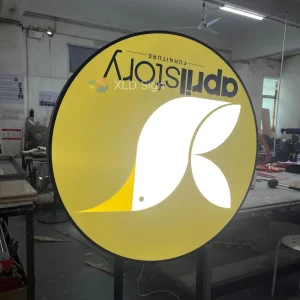
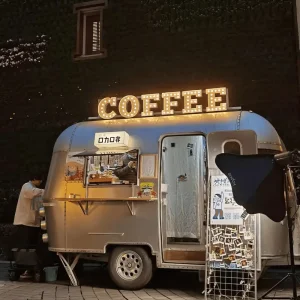
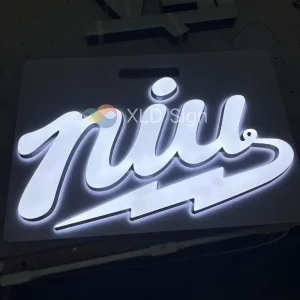
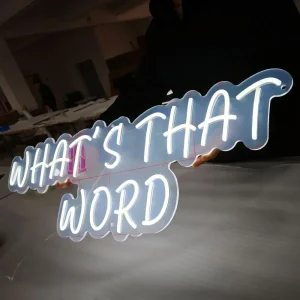
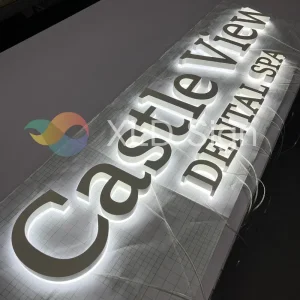
Select from our wide range of custom signs, engineered for durability and visual impact.
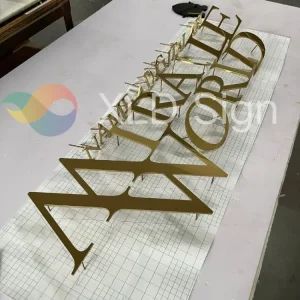
 Xinliangdian