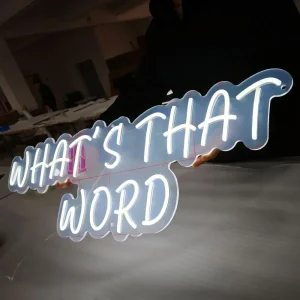
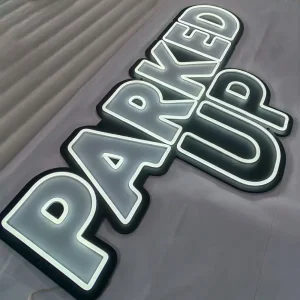
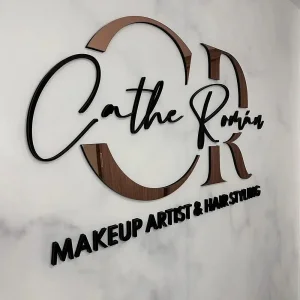
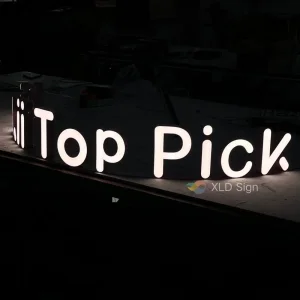
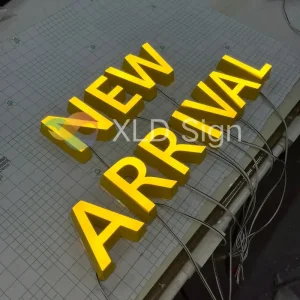
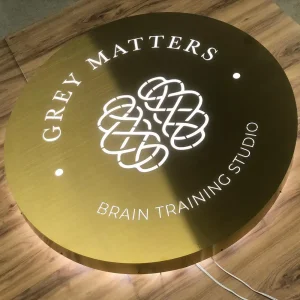
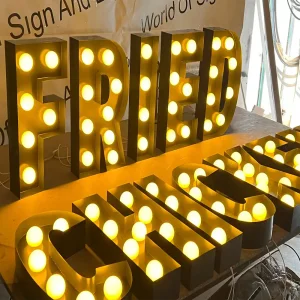
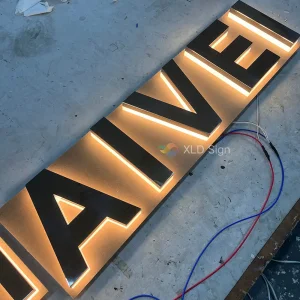
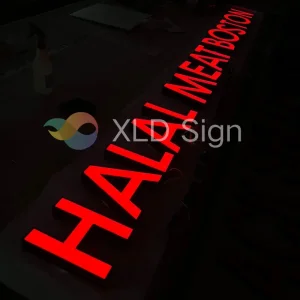
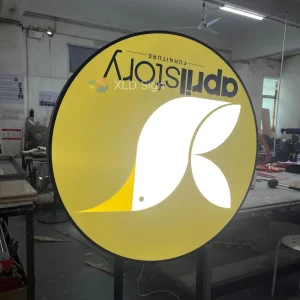
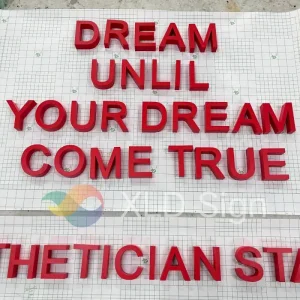
Engineered illuminated structures ready for high-visibility commercial applications across Auckland, Wellington, and Christchurch.
An in-depth analysis of manufacturing processes, material durability under high UV ratings, local regulatory compliance guidelines, and procurement frameworks for New Zealand enterprises.
EEAT Expert Insight: The New Zealand commercial signage sector is undergoing a profound structural transition. Traditional cold-cathode glass neon has shifted towards high-efficiency, solid-state LED systems and acrylic faux neon architectures. This transition is motivated by energy conservation targets (EECA), stringent workplace safety regulations (NZ Health and Safety at Work Act 2015), and the extreme environmental challenges presented by the local climate.
New Zealand's retail, commercial, and industrial markets demand durable, high-visibility signage solutions. Key business regions like Queen Street in Auckland, Lambton Quay in Wellington, and the newly rebuilt commercial center in Christchurch require distinct branding designs to stand out. Local businesses must address two primary environmental variables:
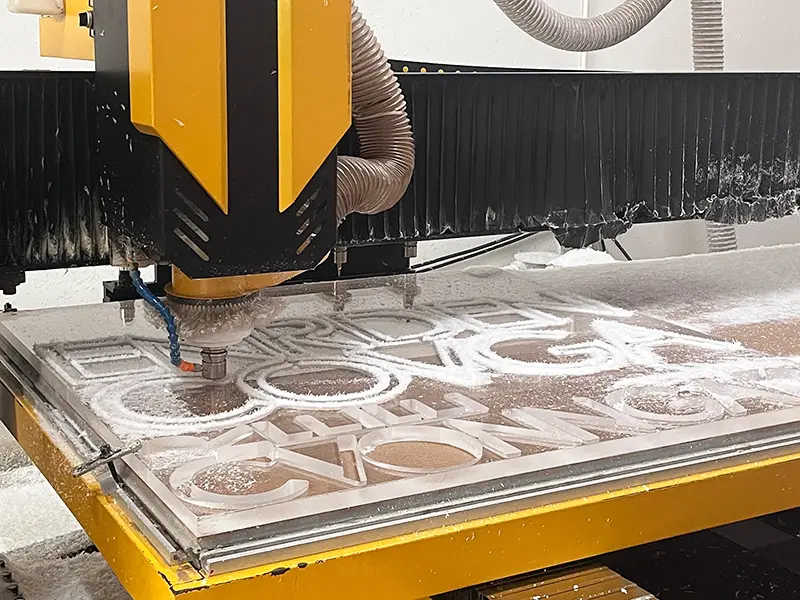
The transition from glass neon to LED equivalents has driven progress in material science. Modern Acrylic Faux Neon Signs are constructed using precision CNC-routed Polymethyl Methacrylate (PMMA) bases embedded with solid-state LED configurations.
| Performance Metric | High-Borosilicate Glass Neon | Standard PVC LED Flex | Premium Acrylic Faux Neon (PMMA) |
|---|---|---|---|
| Luminous Efficiency | 15-20 lm/W (Low energy-to-light ratio) | 70-90 lm/W (Standard efficiency) | 100-130 lm/W (Superior brightness) |
| Lifespan & Degradation | ~10,000 Hours (Vacuum leak risks) | ~30,000 Hours (Color shift over time) | >50,000 Hours (Stable PMMA dispersion) |
| Impact Resistance | Extremely Fragile (Glass shard hazard) | Medium (Flexible, easily dented) | High (Structural impact-resistant) |
| Operating Voltage | 3kV - 15kV (High-voltage fire risk) | 12V / 24V DC (Safe extra-low voltage) | 12V / 24V DC (Safe extra-low voltage) |
| Weathering Resistance | High (Glass is stable but brittle) | Low (Rapid yellowing under NZ UV) | Exceptional (UV-stabilized PMMA) |
For commercial developers, retail franchise operators, and architectural firms in New Zealand, importing signage directly from our ISO9001-certified factory provides clear advantages. Sourcing directly eliminates distributor markup while ensuring that precise custom engineering drawings are executed by our technical team.
Our quality assurance workflow guarantees that every shipment is backed by international and Australasian certifications. Our quality control processes include a 48-hour continuous burn-in test, spectroradiometric analysis to ensure color temperature consistency, and IPX7 chamber immersion testing for outdoor components.
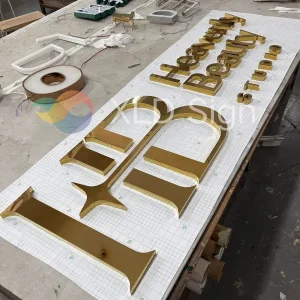
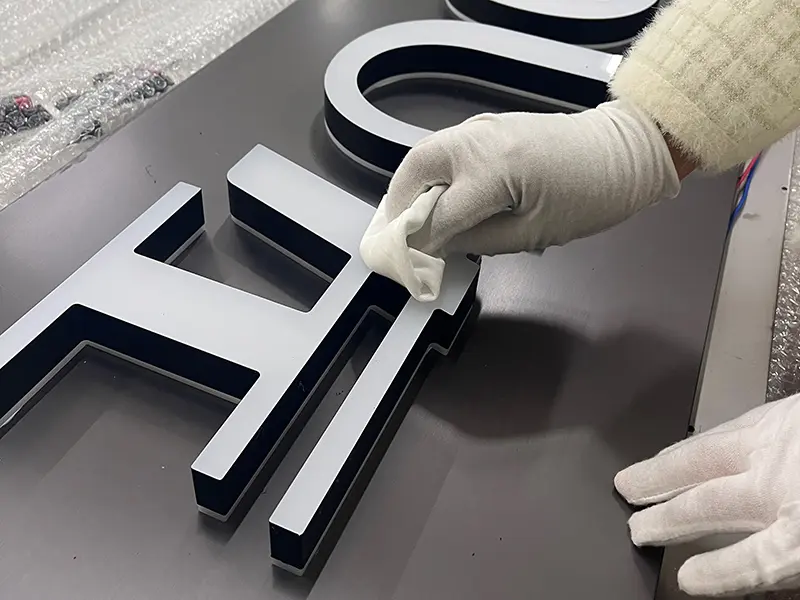
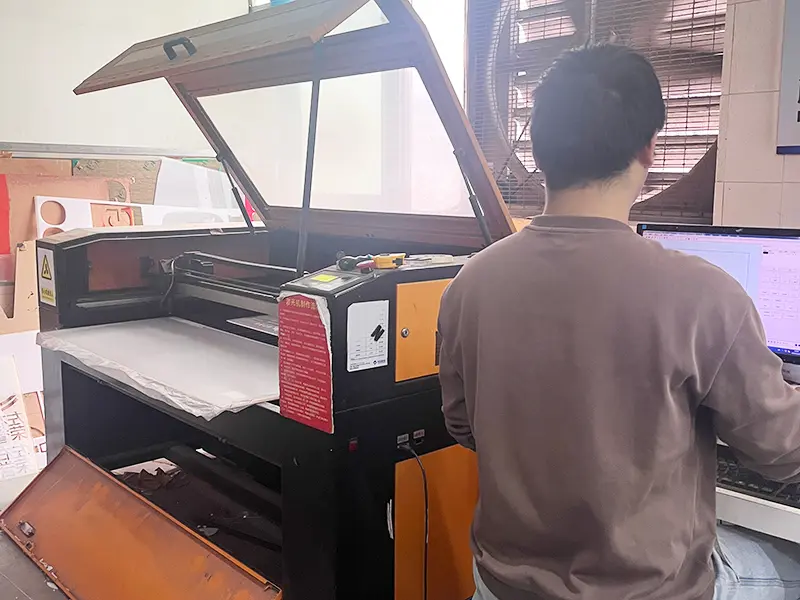
As a leading neon sign manufacturer, we utilize advanced fabrication machinery to construct premium signage:
We operate a specialized production facility covering more than 3,000 square meters. With over 25 years of manufacturing experience in the advertising sign industry, we specialize in custom illuminated business signs, high-performance light boxes, and acrylic faux neon signage. Our facility's end-to-end manufacturing capabilities allow us to produce bespoke signage engineered to exact client specifications.
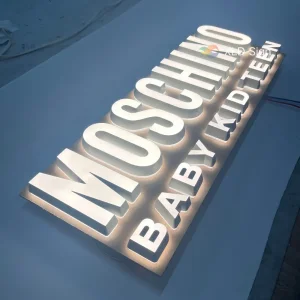
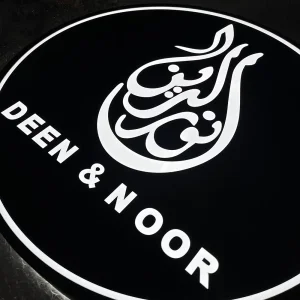
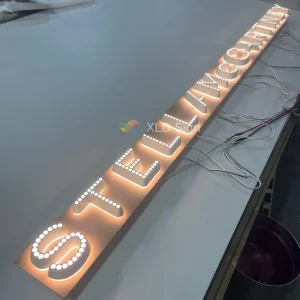
Primary Product Line: LED Backlit Letter Signs, Frontlit Business Signage, Dual-Illuminated (Front & Back) Letter Signs, Non-Illuminated Polished Metal Logos, Profiled Light Boxes, CNC-Milled Faux Neon Signage, and Architectural Exterior Displays.
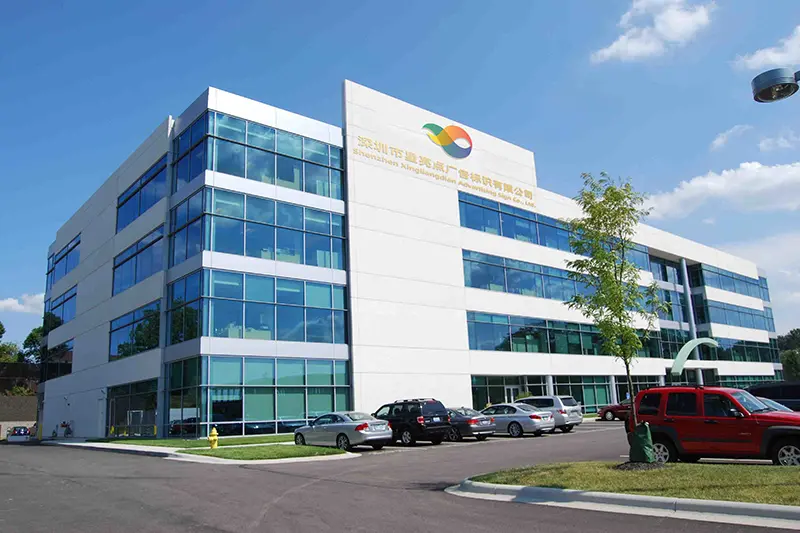
Our manufacturing standards and electrical circuits are fully certified to meet the regulatory requirements of New Zealand, Australia, Europe, and North America.
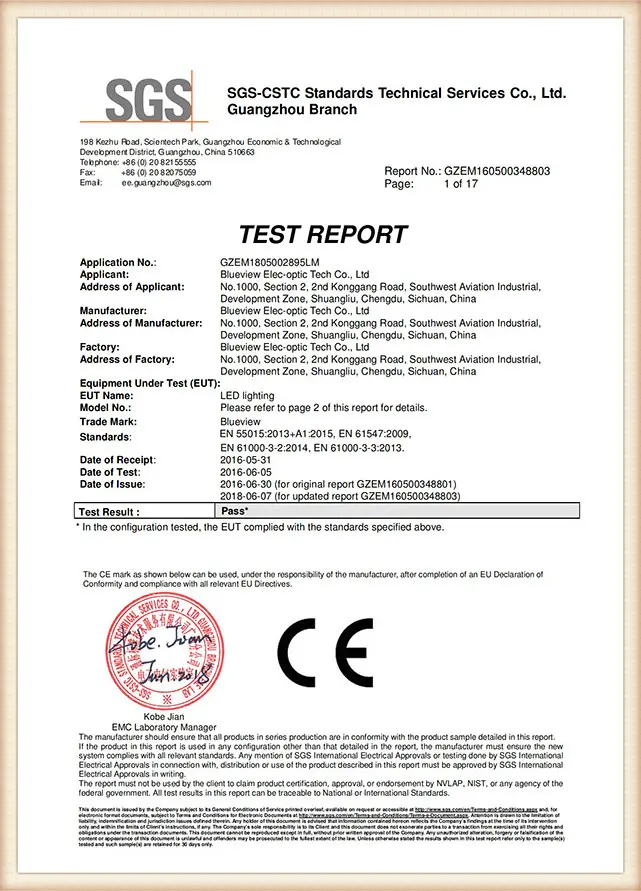
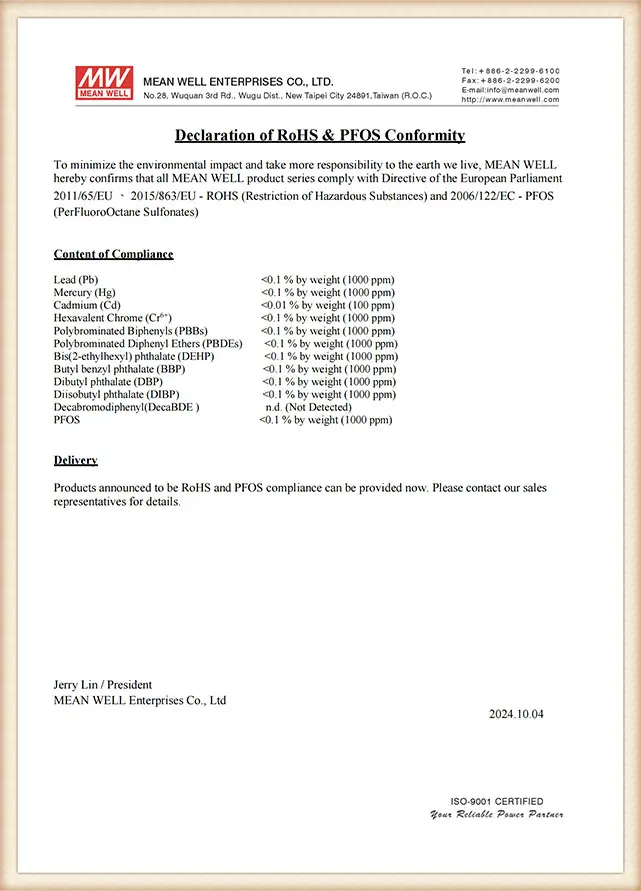
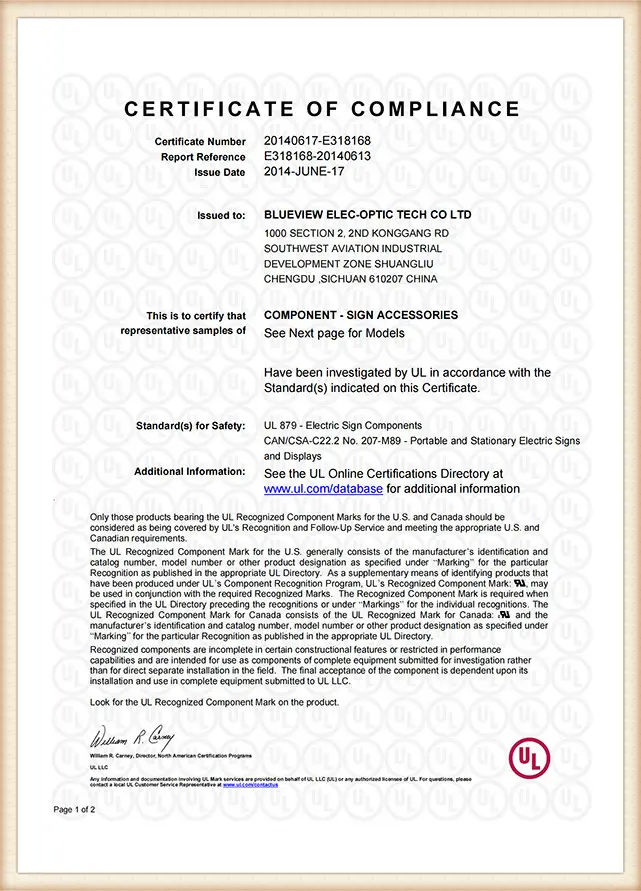
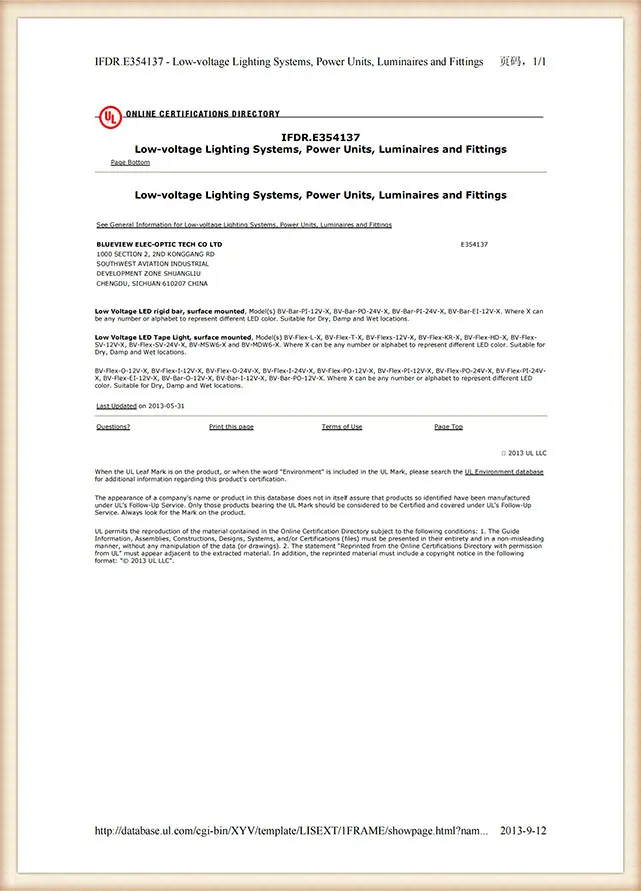
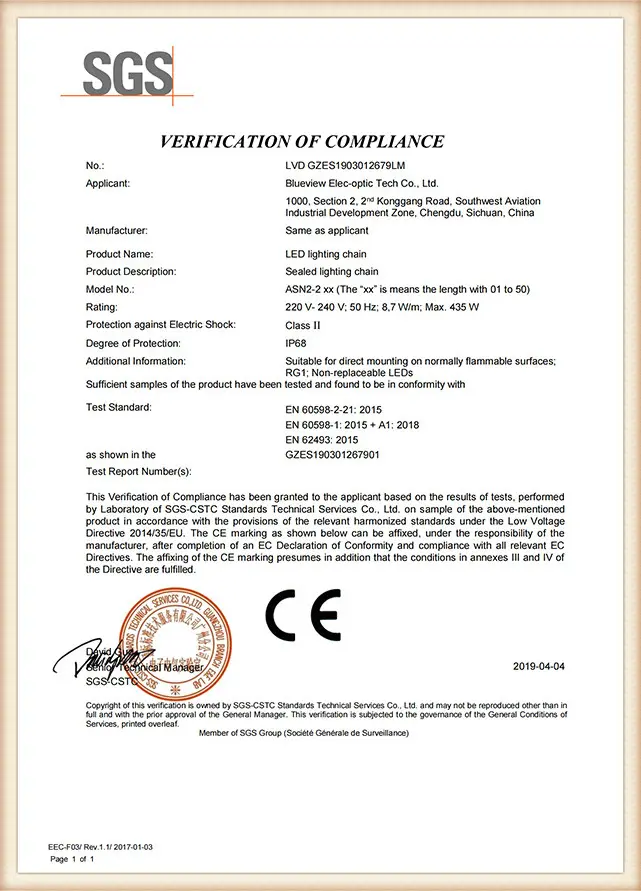
We combine advanced production equipment with strict quality control processes to ensure every custom sign meets high engineering standards.
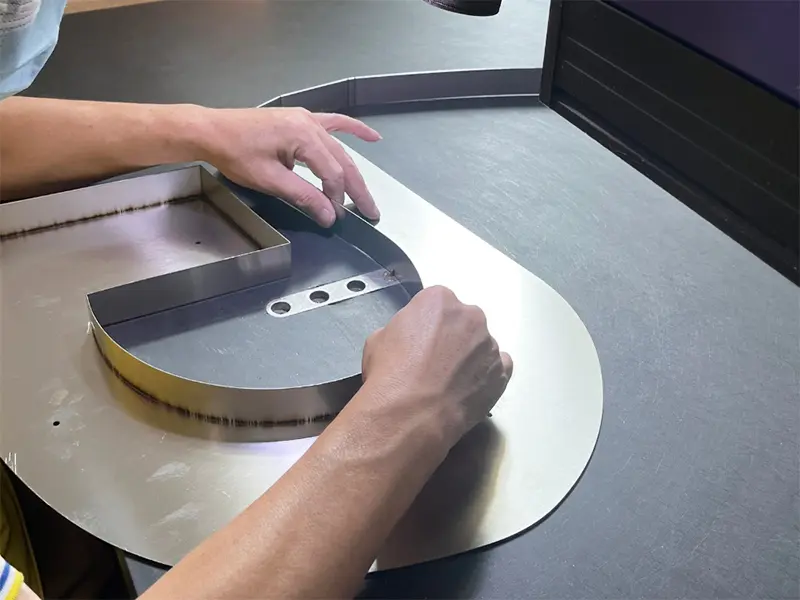
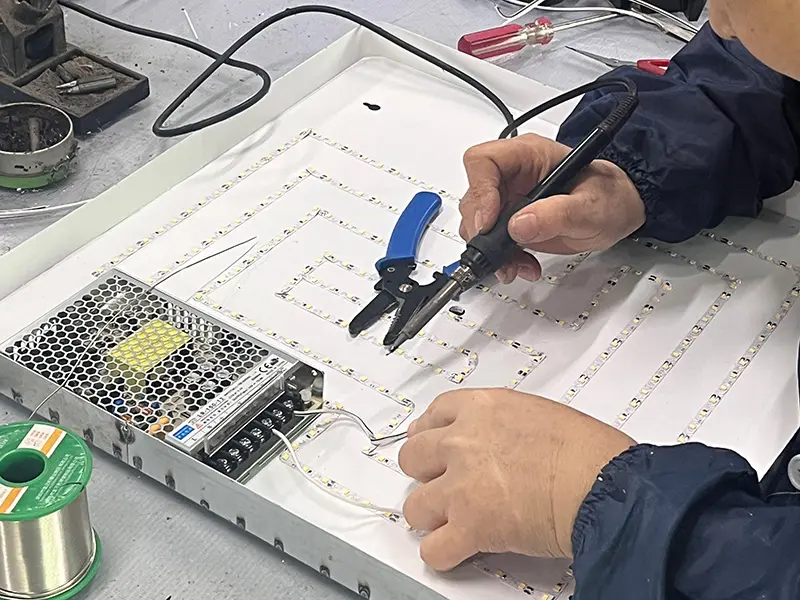
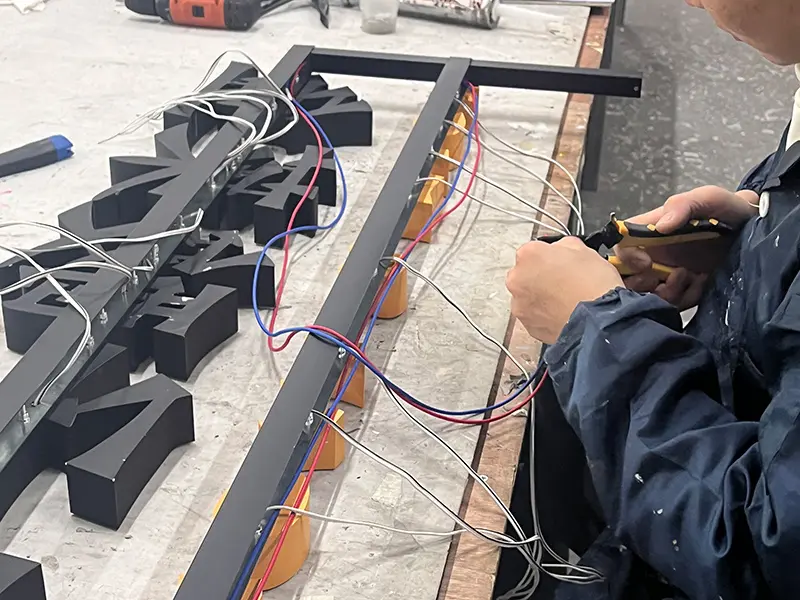
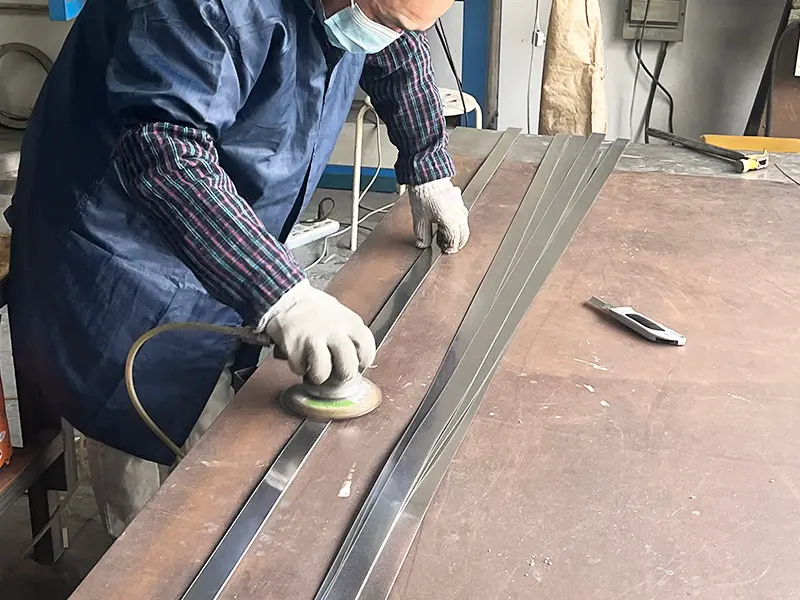
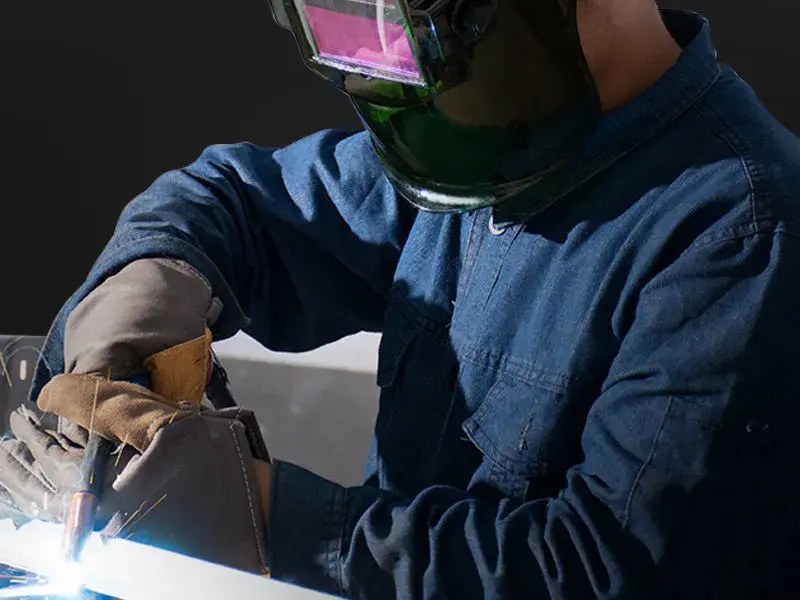
Why commercial builders and retail brands in New Zealand trust us for their large-scale custom signage projects.
Equipped with state-of-the-art production lines, precision CNC machinery, and a dedicated quality control team to eliminate intermediaries.
Comprehensive support including detailed shop drawing approvals, real-time manufacturing updates, and reliable warranty policies.
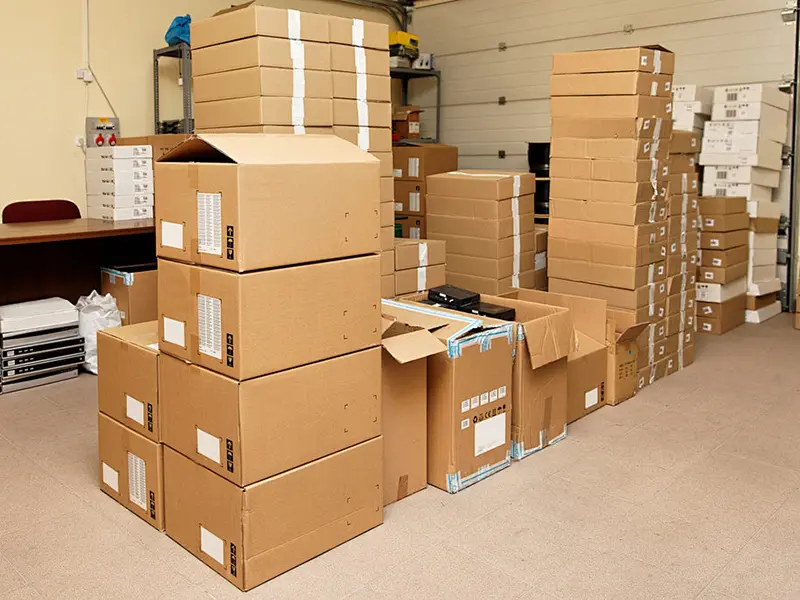
From conceptual design and structural engineering to wiring diagrams and final logistics packaging, we manage the entire lifecycle.
Fully customize size, color spectrum, lighting effects, mounting configurations, and IP protection classes to match your requirements.
Key technical and compliance questions answered by our engineering and logistics specialists.
Explore our wide range of custom-fabricated illuminated products, engineered for performance, safety, and brand impact.
Get in touch with our engineering team today for architectural drawings, compliance consultations, and volume pricing adjustments.
 Xinliangdian