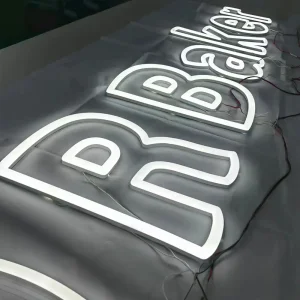
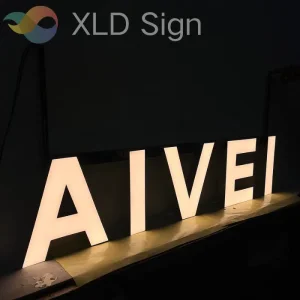
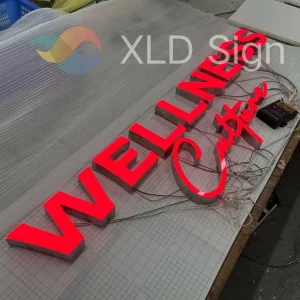
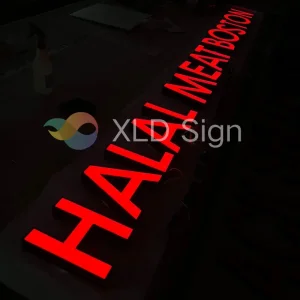
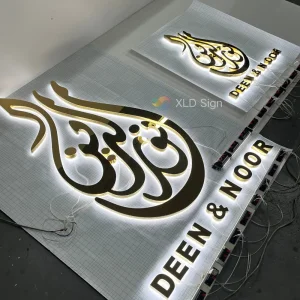
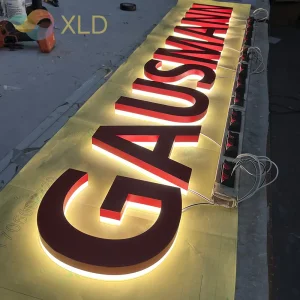
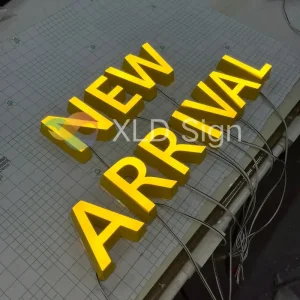
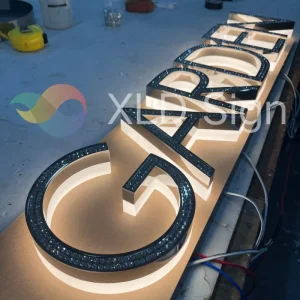
Browse our premium commercial signage offerings, serving international safety, advertising, and corporate branding initiatives.
In modern industrial, commercial, and public infrastructure design, safety is not merely a compliance checkbox; it is a critical system architecture requirement. Photoluminescent fire exit signs represent a paradigm shift in emergency wayfinding technology. Unlike traditional electrically powered signs or battery-backup LED systems, photoluminescent safety signs function as decentralized, self-sustaining warning installations. They utilize high-performance crystalline matrix photoluminescent pigments—typically Strontium Aluminate (SrAl2O4:Eu,Dy)—which absorb ambient light during standard building operations and automatically emit bright, high-visibility green or yellow-green light in the event of a power outage or smoke density obstruction.
The strategic deployment of these signs directly addresses the core vulnerabilities of traditional emergency systems. When building mains power fails, active electrical circuits are compromised. Even localized backup generators or emergency battery units are prone to degradation, mechanical failure, wiring faults, and strict periodic testing requirements. By bypassing the need for electrical wiring, batteries, or external power inputs, photoluminescent exit path marking systems eliminate single points of failure, ensuring 100% operational readiness during critical evacuation events.
Unlike fluorescent materials that emit light only while stimulated by an active excitation light source, strontium aluminate-based photoluminescent systems store photon energy. The material's molecular structure traps excitation photons and slowly releases them via radiative transition over a span of 10 to 24 hours. Under standard ambient light levels (minimum 54 lux or 5 foot-candles), these signs reach full charge within 60 minutes, delivering a robust initial luminance that steadily decays at a predictable, human-eye-visible rate well exceeding standard regulatory survival times.
Across the globe, rapid urbanization, complex commercial high-rises, massive transit hubs, and heavy industrial facilities have driven strict updates to global fire safety mandates. Regulatory bodies such as the National Fire Protection Association (NFPA) in North America, the International Building Code (IBC), and equivalent European standards (DIN 67510 / ISO 16069) now mandate secondary, fail-safe evacuation systems. These changes are reshaping the procurement strategies of global enterprise buyers.
In sectors such as petrochemical refining, marine transport (IMO/SOLAS requirements), underground mining, and massive aviation terminals, the cost of installing and maintaining electrical conduit in hazardous environments is prohibitively high. Exploding demand for explosion-proof and intrinsically safe fixtures has positioned photoluminescent systems as the optimal choice. Since photoluminescent materials do not generate heat or electrical sparks, they are inherently safe for Class I, Division 1 hazardous environments, providing a maintenance-free lifetime of over 25 years.
We operate a professional, high-capacity fabrication plant spanning over 3,000 square meters, backed by more than 25 years of specialized manufacturing experience in the commercial sign and safety signage industry. Our expertise goes beyond standard sign assembly—we are engineering partners for industrial distributors, commercial real estate developers, and government safety procurement agents worldwide.
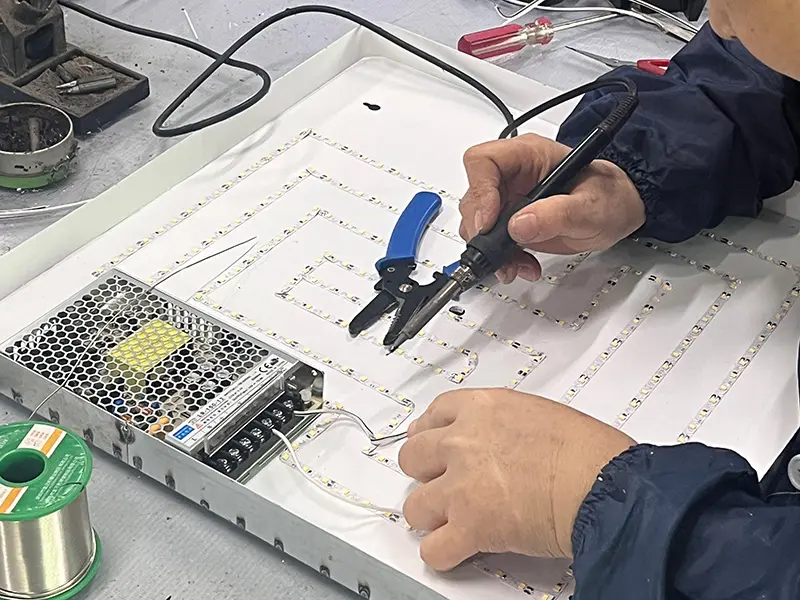
Our state-of-the-art facility is engineered to support both large-scale OEM runs and custom, architect-designed architectural signage systems. Whether your projects require high-performance LED backlit components, customized business sign boards, or certified photoluminescent evacuation systems, we bring your engineering concepts to reality under a strict quality control environment.
We utilize premium materials, including marine-grade aluminum alloys, UV-stabilized acrylics, flame-retardant PVCs, and ultra-high-persistence strontium aluminate crystals to ensure structural and functional integrity under harsh industrial environments.
From technical CAD drawings and photopic performance calculations to custom housing design and regulatory alignment, our engineering team provides end-to-end consulting for international compliance projects.
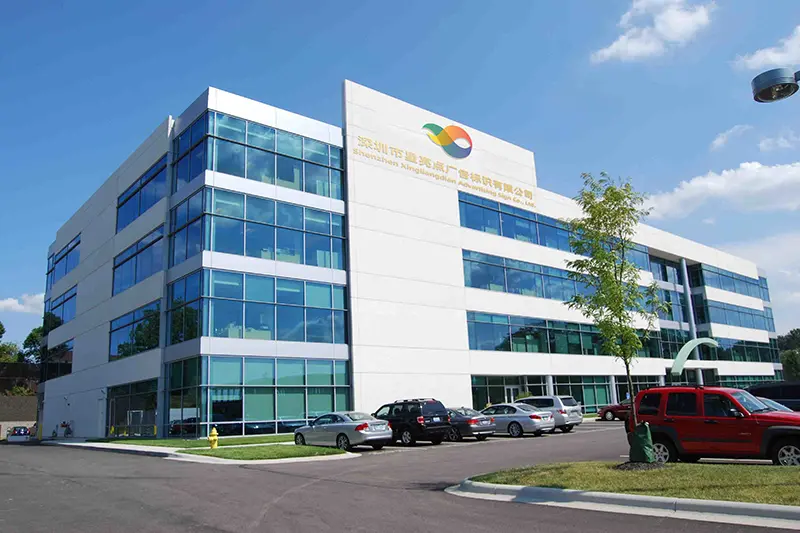
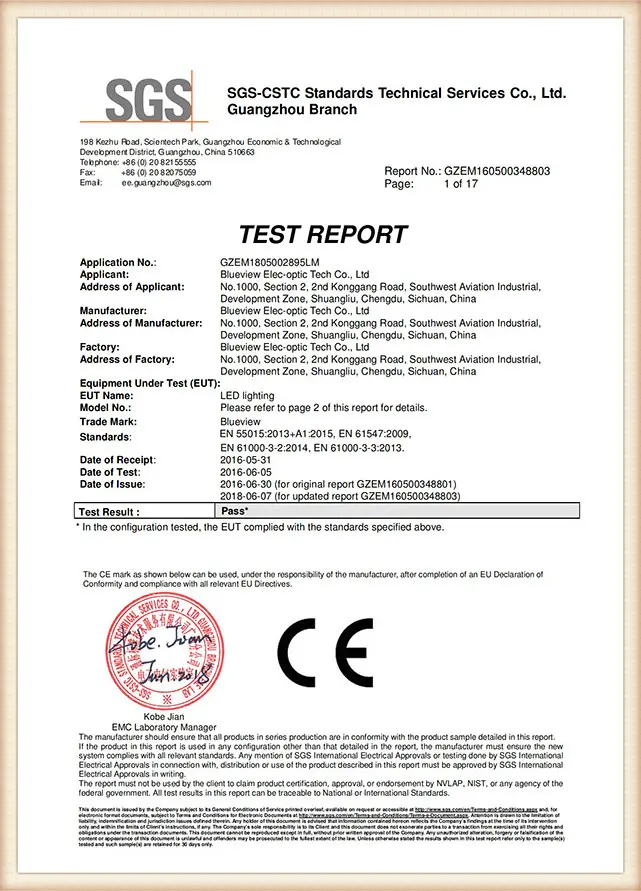
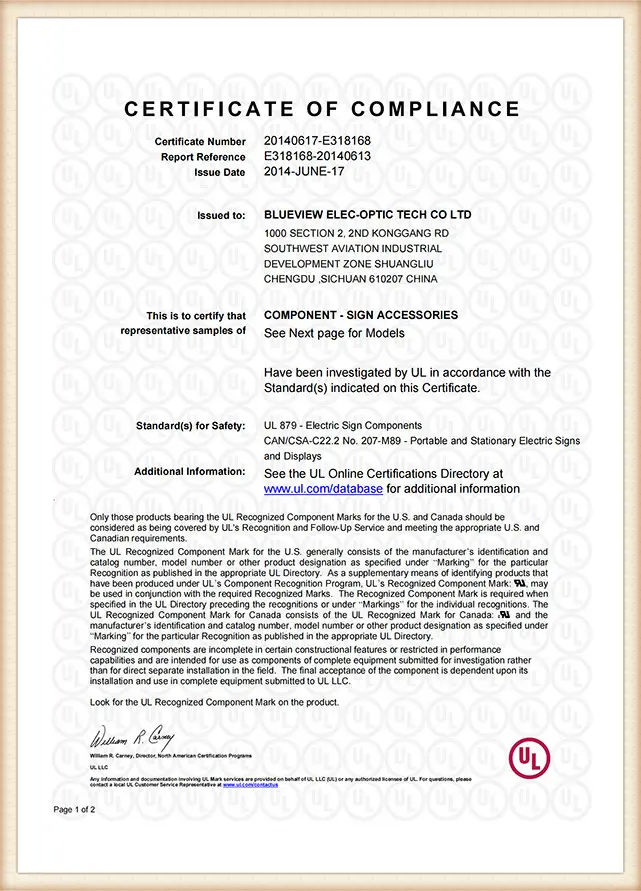
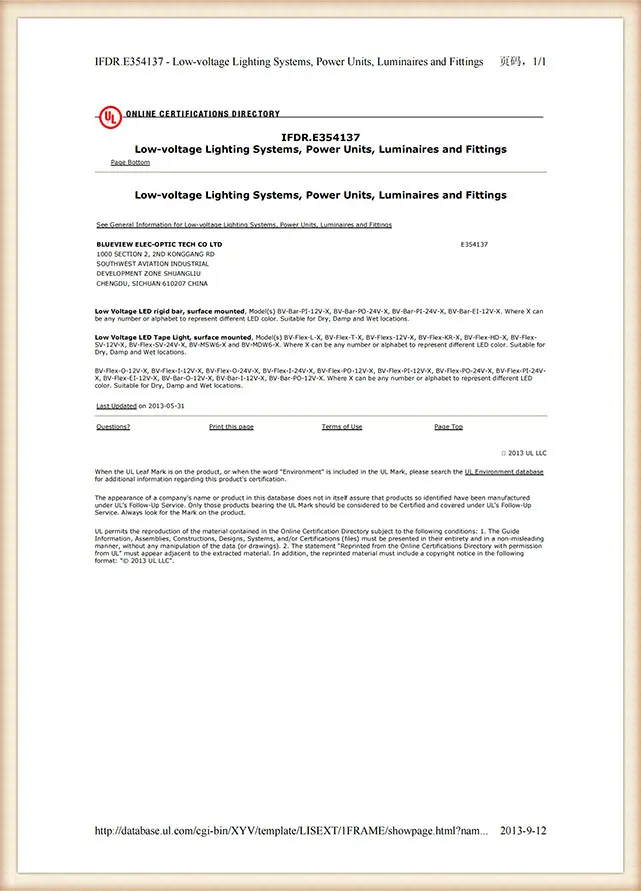
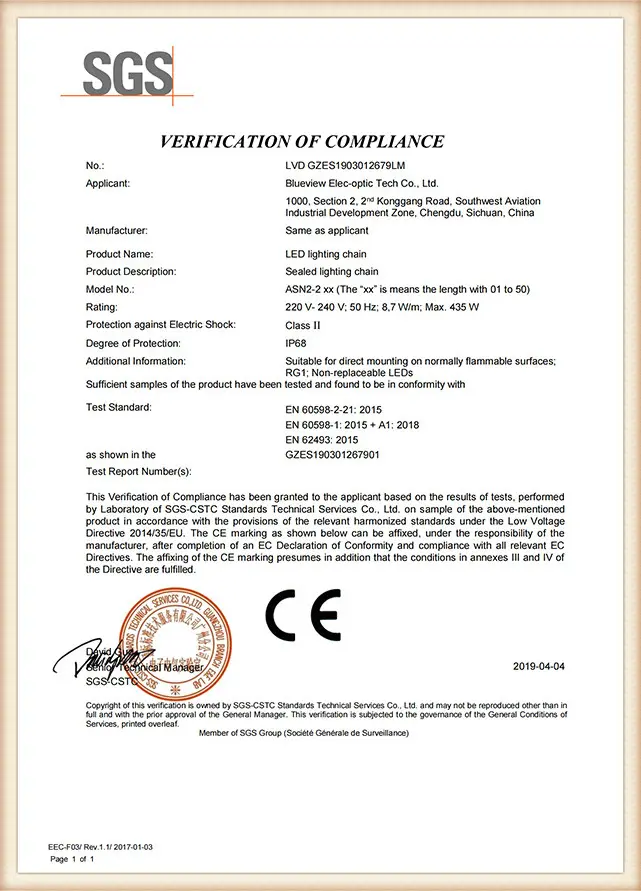
Our commitment to safety and reliability is validated by our alignment with critical global certification standards.
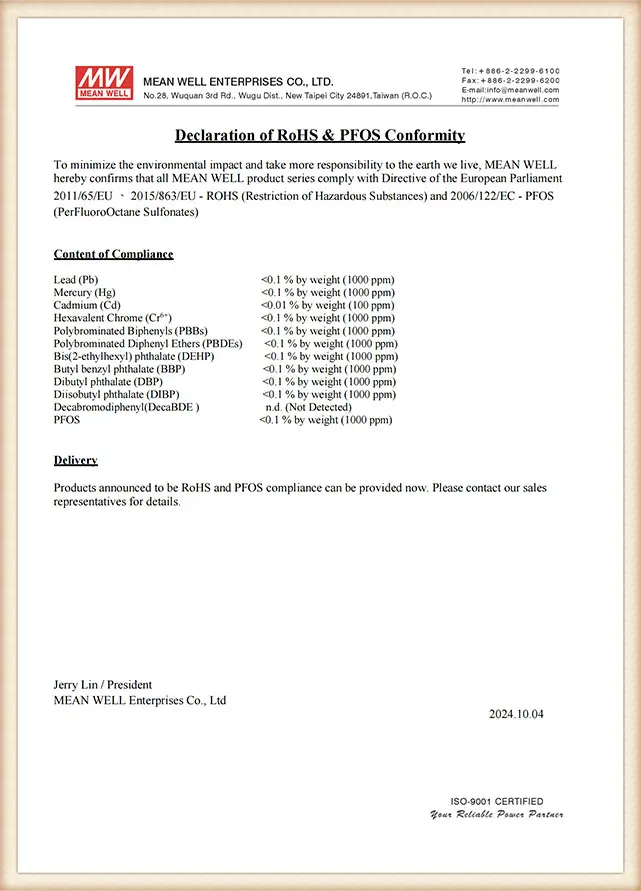
To operate within critical egress areas, emergency signs must adhere to strict international testing regulations. Our products undergo third-party testing to achieve certification standards including UL (Underwriters Laboratories) 924 for emergency lighting and power equipment, European CE standards, Australian/Oceanian SAA and RCM approvals, and green environmental safety certifications such as RoHS.
Procuring commercial-grade photoluminescent safety systems for large infrastructure projects requires balancing quality control with cost-efficiency. Our factory, located within China's primary high-tech industrial manufacturing corridor, offers distinct efficiency advantages that translate directly to value for our global B2B clients:
Emergency egress requirements vary considerably across regional jurisdictions. Our engineering and compliance team builds custom signage that matches these specific local codes:
In the United States and Canada, the International Building Code (IBC) Section 1025 mandates the installation of luminous egress path markings in all high-rise buildings of Group A (Assembly), B (Business), E (Educational), I (Institutional), M (Mercantile), and R-1 (Residential/Hotel) occupancies. The markings must be located along the exit pathways, including stairs, landings, and handrails. Furthermore, these signs must be certified to UL 924 standards to replace traditional electrical fixtures.
European design relies on the green running-man pictogram specified by ISO 7010. DIN 67510 classifies photoluminescent performance into four main luminance classes (Class A, B, C, and D). Class C and D signs are optimized for low-light conditions and marine environments, retaining high visibility long after the initial excitation source has been cut off.
Under the International Maritime Organization (IMO) and SOLAS regulations, passenger ships carrying more than 36 passengers must install Low Location Lighting (LLL) systems. These systems guide passengers to assembly points when smoke rises and obscures high-level lighting fixtures. The materials used must be highly resistant to UV yellowing, salt spray, and physical impacts.

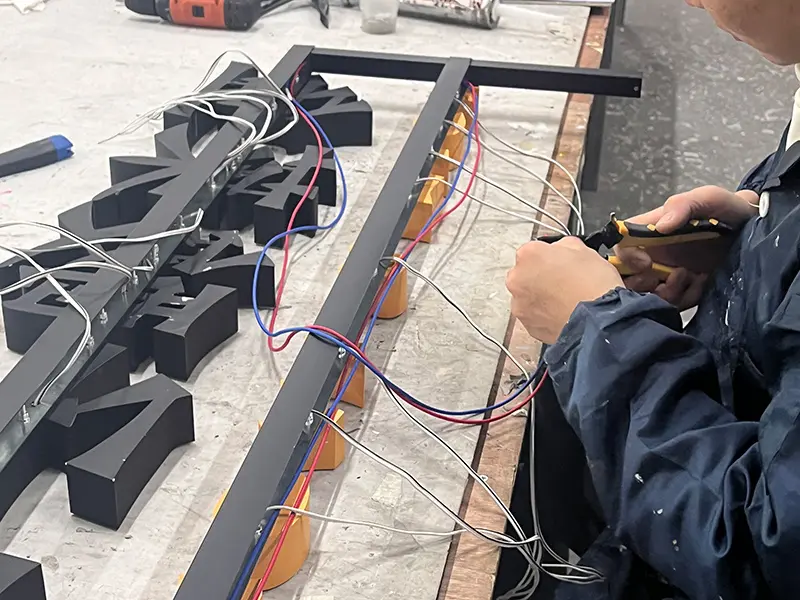
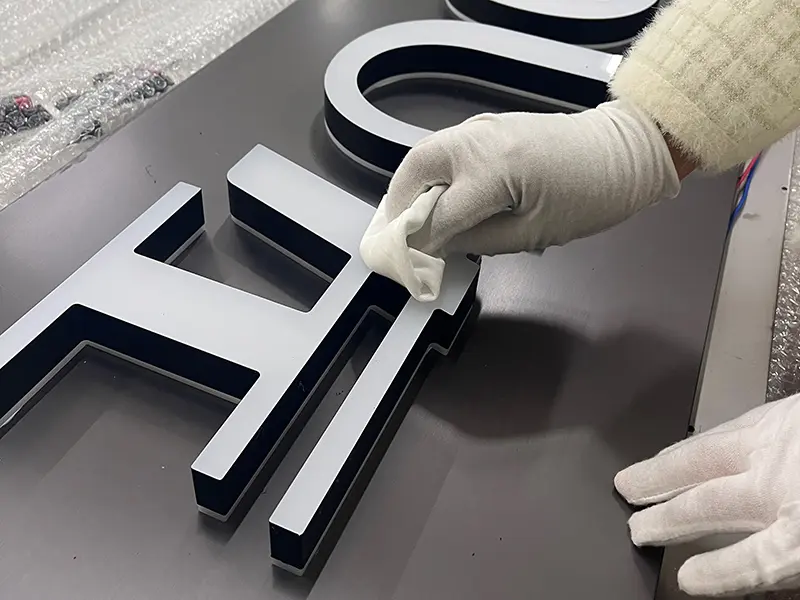

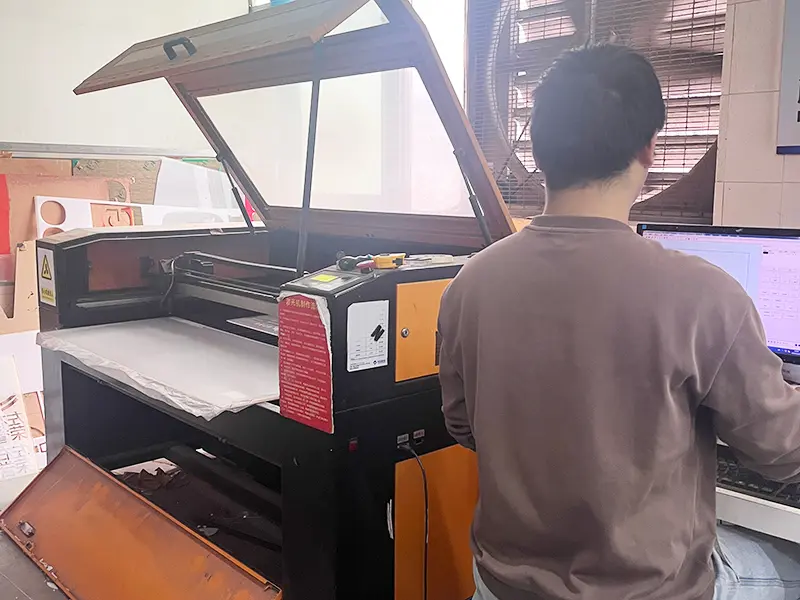


We design, build, and deliver high-reliability commercial safety products for the global marketplace.
Skip intermediate brokers. Work directly with our engineering and production teams, enjoying clear communication, complete quality control, and competitive pricing.
Our client service team supports you from project design to post-sale inspection, ensuring all safety, design, and regulatory expectations are met.
We handle the entire process—including layout design, material selection, code certification, packaging, and logistics—under one roof.
We tailor our products to your exact requirements, adapting sign layouts, logo integration, framing materials, and luminance profiles to fit your application.
Detailed answers to complex technical and regulatory questions about photoluminescent systems.
According to UL 924 and NFPA 101, photoluminescent exit signs must be continuously illuminated by an external light source while the building is occupied. The excitation light source must provide at least 54 lux (5 foot-candles) of light at the surface of the sign, using reliable light sources like fluorescent, metal halide, or LED bulbs. Incandescent lights are not recommended because they lack the blue-ultraviolet spectrum required to charge strontium aluminate crystals efficiently.
Once fully charged, our high-performance strontium aluminate signs emit a high initial glow that slowly decays over time. They are designed to exceed the 90-minute visibility requirement set by UL 924 and can remain visible to the dark-adapted human eye for up to 10 to 24 hours in complete darkness.
Yes, in many jurisdictions. UL 924-certified signs are approved by the IBC, IFC, and NFPA 101 as direct replacements for electrical exit signs, provided the installation location receives continuous illumination from a reliable light source during building occupancy.
Unlike LED bulbs and backup batteries, which degrade over time, photoluminescent crystalline pigments do not experience significant wear. With normal indoor use, these signs have a lifespan of 25 years or more. The pigment can be charged and discharged indefinitely without losing its luminous properties.
Yes. Unlike older self-luminous technologies that relied on radioactive Tritium gas, our photoluminescent signs use rare-earth strontium aluminate pigments. These materials are non-toxic, non-radioactive, and chemically inert, making them easy to dispose of at the end of their lifespan.
During a fire, thick smoke can accumulate near the ceiling and obscure high-mounted electrical exit signs. Photoluminescent signs emit green light at a wavelength of approximately 520 nanometers, which is highly visible to the human eye in dark and smoky conditions. Using low-level markings near the floor further improves safety during heavy smoke accumulation.
These signs require almost no maintenance. Unlike electrical systems, they do not require battery testing, bulb replacements, or monthly diagnostic checks. Maintenance is limited to checking the external charging light source and wiping away dust that could block light absorption.
Explore our custom advertising, illumination, and outdoor signage solutions built for global brands.
 Xinliangdian