Engineered for architectural integration, structural durability, and high luminous efficiency. Explore our standard-setting systems designed for global applications.

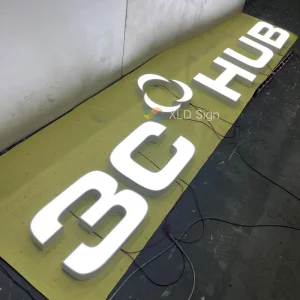

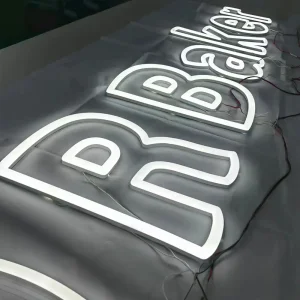
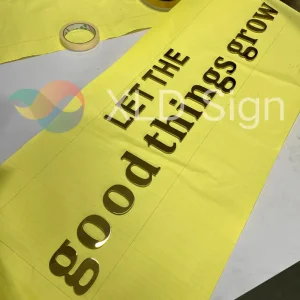
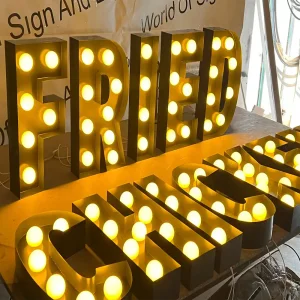
Modern architectural layouts mandate signage systems that transcend basic wayfinding to serve as core components of the building envelope. As global commercial and industrial developers construct massive infrastructure projects, exterior building signs represent a major element in brand valuation, architectural integrity, and physical accessibility. A carefully engineered facade sign must interface perfectly with diverse curtain wall structures, dynamic architectural cladding, and concrete substrates while adhering to structural loading, thermal expansion dynamics, and local zoning policies.
Architects and engineers design modern building facades to be dynamic, breathing systems. Heavy exterior sign installations must align with the building's structural load path. High-end sign design takes into account factors such as wind pressure, dead load weight, and seismic criteria. The connection plates and mounting bracket designs must prevent galvanic corrosion when dissimilar metals make contact, particularly when attaching structural stainless steel or aluminum framing to structural steel girders or metal panels.
Exterior building signs are increasingly integrating with IoT networks. Smart sensor networks, automated light control protocols, and energy-conserving LED setups are becoming standard specifications for high-performance buildings. Our engineering systems facilitate this transition by providing intelligent power systems and thermal management configurations, allowing exterior signs to function as node components in a smart property ecosystem.
The global exterior commercial signage market is undergoing a significant transition driven by regulatory updates, material advancements, and sustainable design imperatives. Driven by demands from retail, industrial distribution hubs, large corporate centers, and public transport nodes, sign systems must deliver long service life and weather resistance.
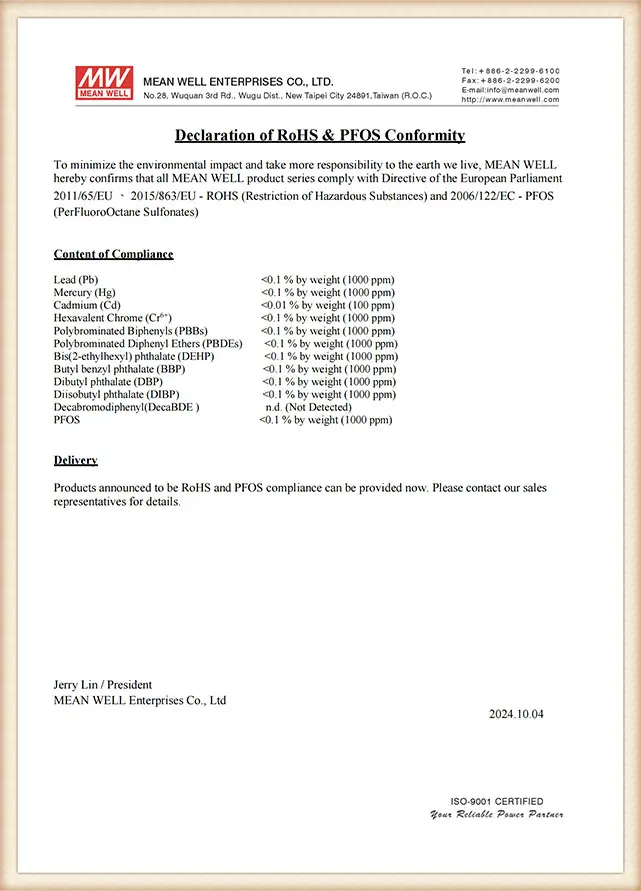
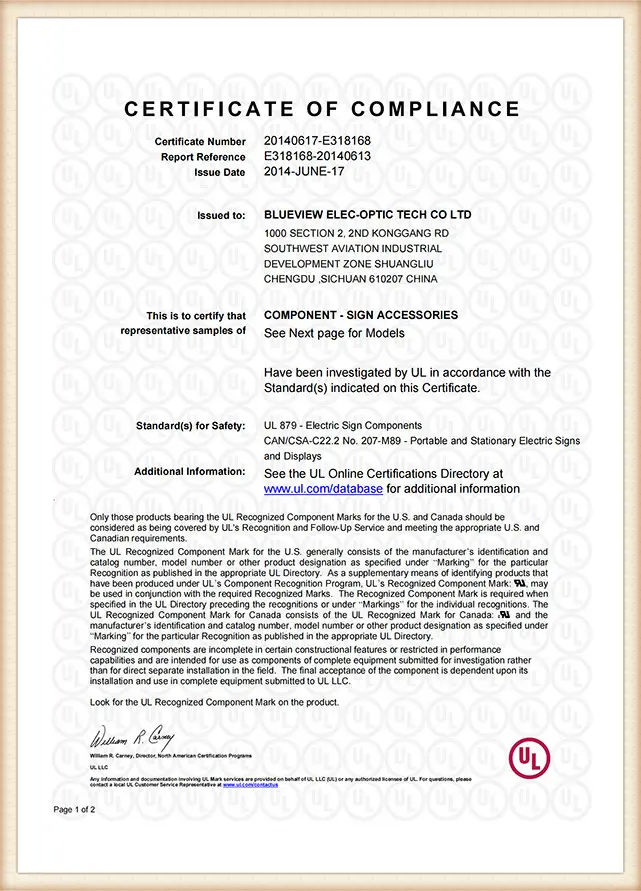
In Europe, compliance with EN standards and RoHS is required to limit heavy metals and electronics waste. In North America, UL 48 and NFPA 70 (National Electrical Code) dictate the safety parameters of all electrical signs, requiring thermal protection and ground-fault circuit interrupters (GFCI) at the primary feed. In Australia and the Asia-Pacific region, regional guidelines demand robust UV stabilization and structural compliance to withstand cyclonic wind loads.
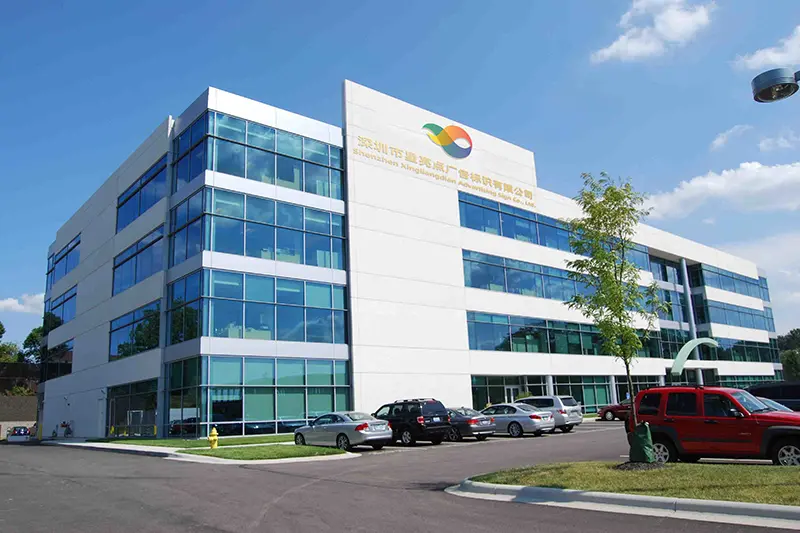
We are a professional factory covering an area of more than 3,000 square meters with more than 25 years of production experience in the advertising sign industry. We specialize in customizing a variety of illuminated business signs, light boxes and Acrylic Faux Neon Signs. With comprehensive manufacturing capabilities, we can customize any unique business advertising sign.
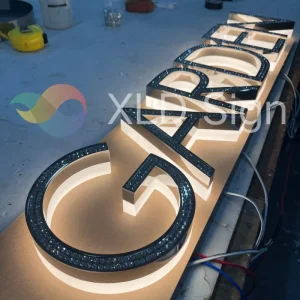
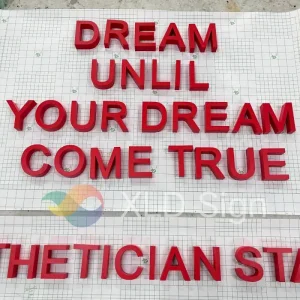
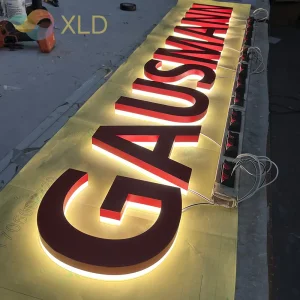
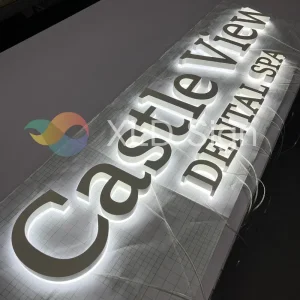
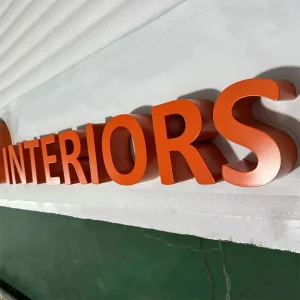
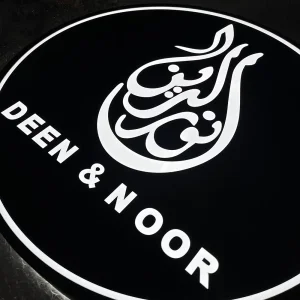
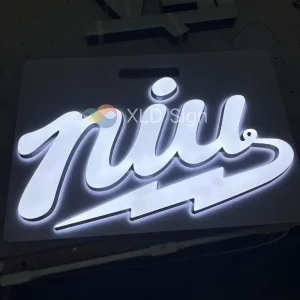
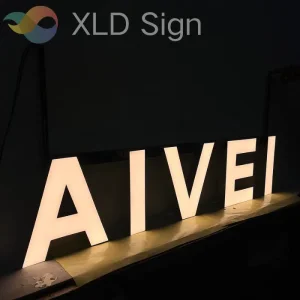
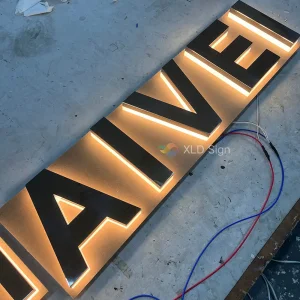
Main Products: Our main products include LED Backlit Letter Signs, LED Frontlit Letter Signs, LED front and back luminous letter signs, Non-illuminated Metal Letter Signs, Light Boxes, Acrylic Faux Neon Signs and other creative business signs.
With an engineering-first design philosophy, we utilize CAD modeling and precision manufacturing to turn complex vector artwork into durable physical structures that withstand harsh environmental conditions.
Our factory is equipped with the best manufacturing equipment and team members for every new sign project. You can count on us to bring your coolest sign from concept to reality.
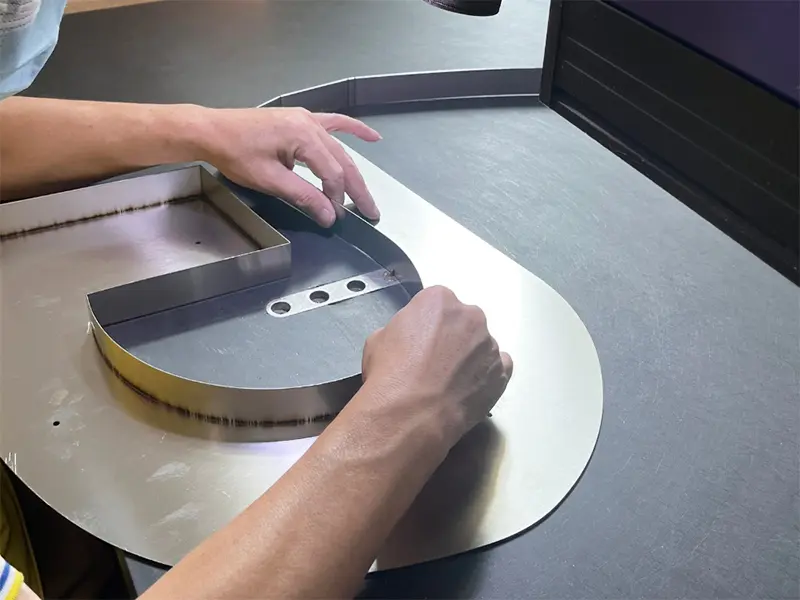
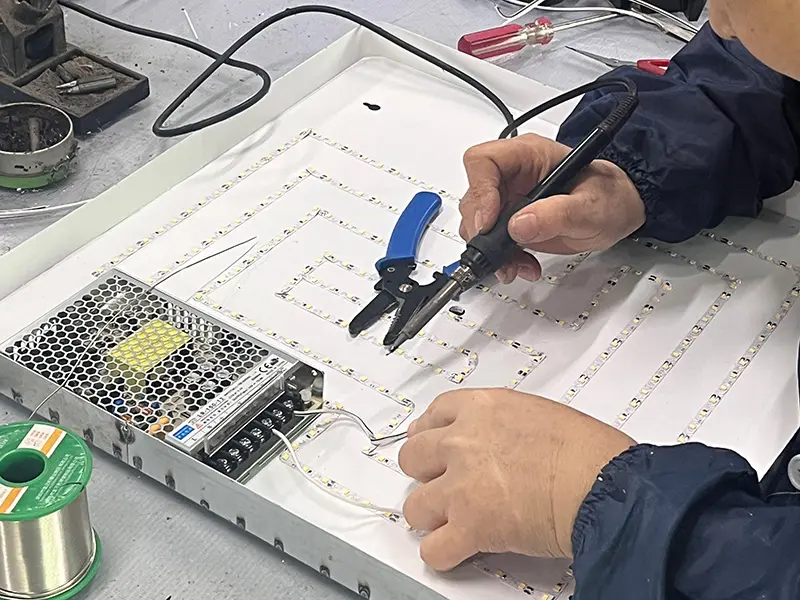
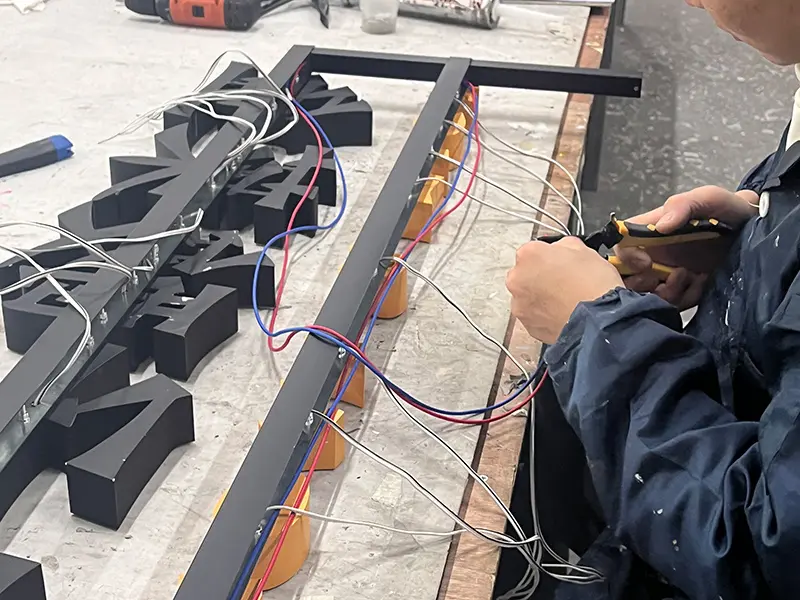
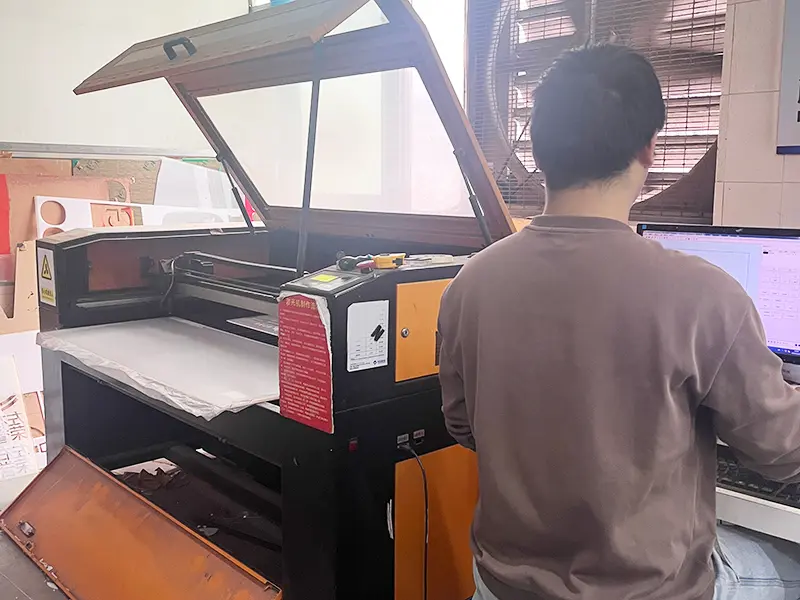
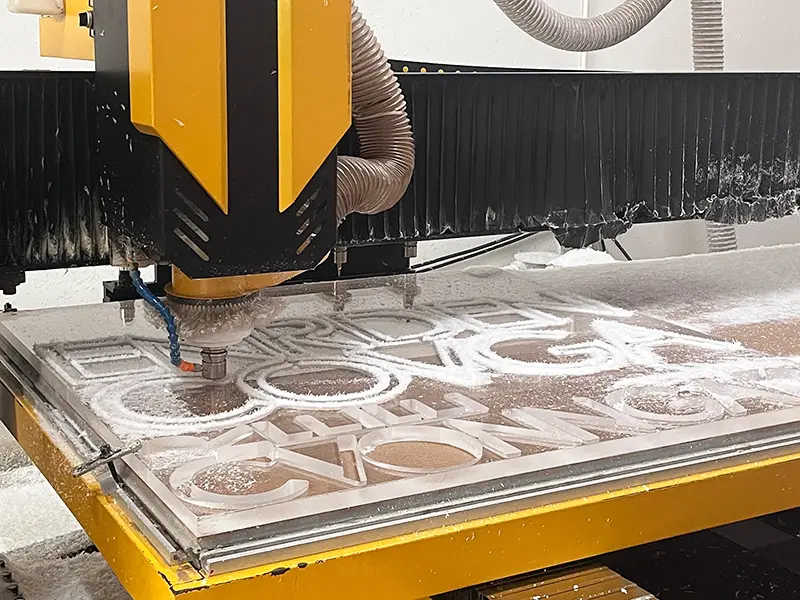
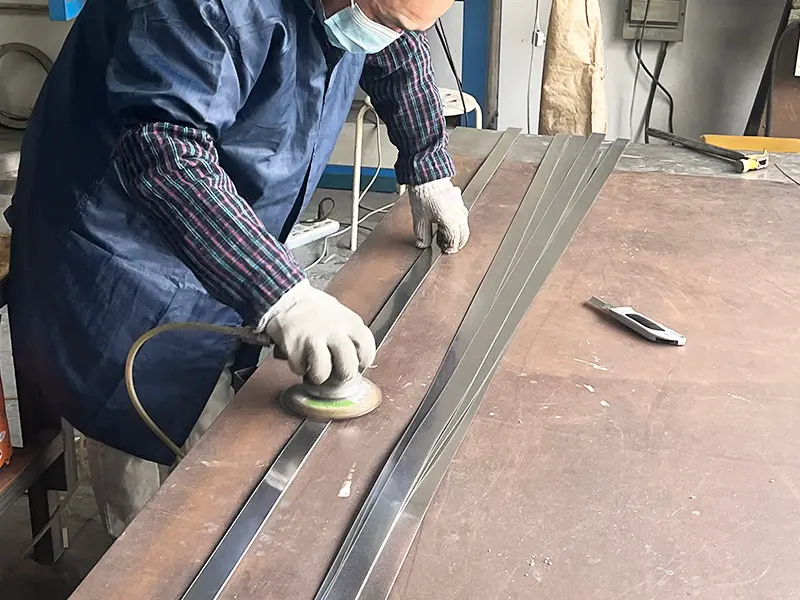
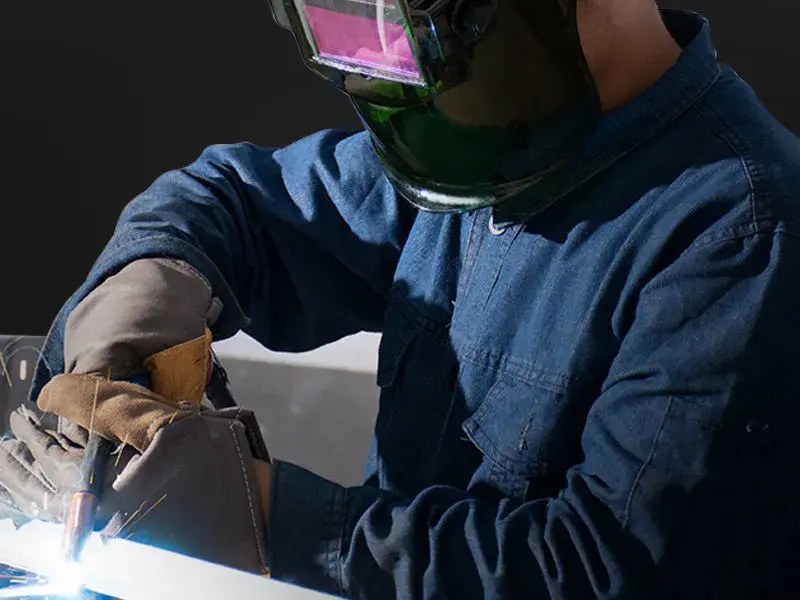
Our production floor features CNC routing equipment, high-powered laser cutters, automated channel letter benders, and advanced polishing stations. We run a dust-free paint shop and a specialized assembly line for LED potting and wiring, ensuring every seal meets IP65 or IP67 ratings for water and dust ingress protection.
Why architectural engineering firms, general contractors, and corporate branding agencies select our manufacturing services.
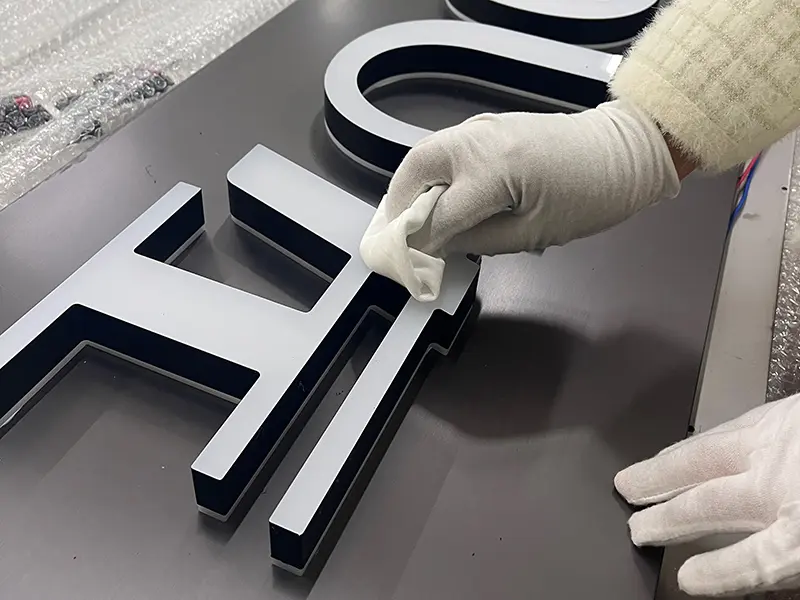
We have advanced production equipment, professional production line, and an excellent QC team to manage manufacturing from raw metal to finished sign.
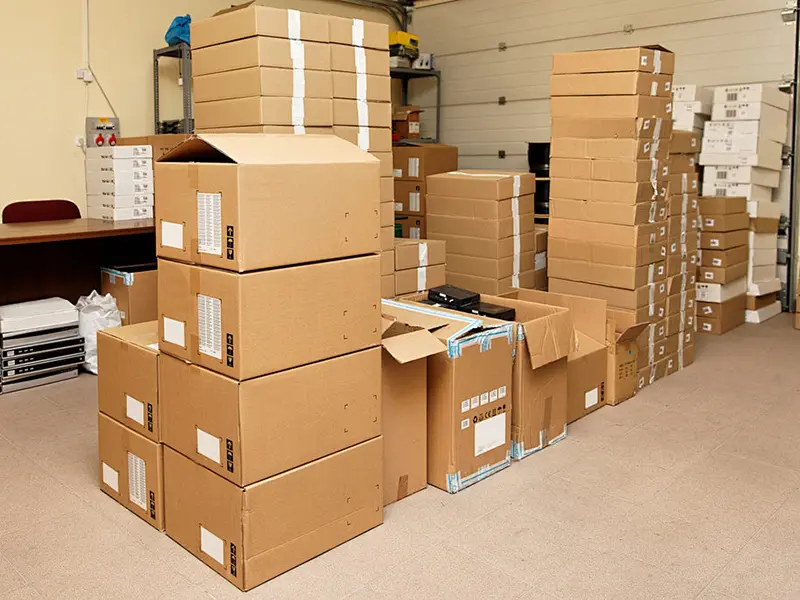
We provide not only good after-sales service, but also active technical support to ensure smooth installation and structural performance.
We have a professional design team ready to work with your vector files, structural plans, and architectural schemes to deliver the best solutions.
We support fully customized ODM / OEM requests, tailoring dimensions, electrical components, finishes, and hardware mounts to fit your specifications.
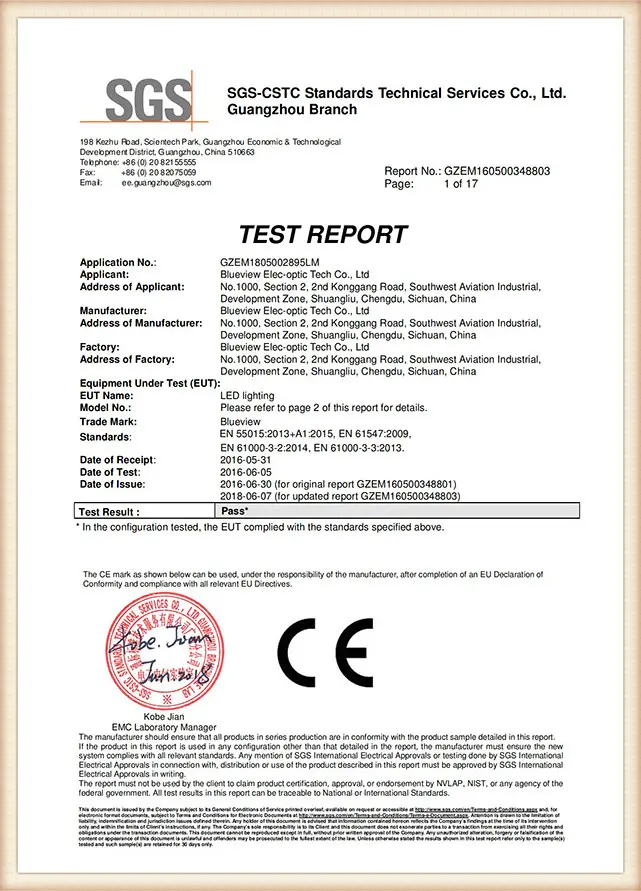
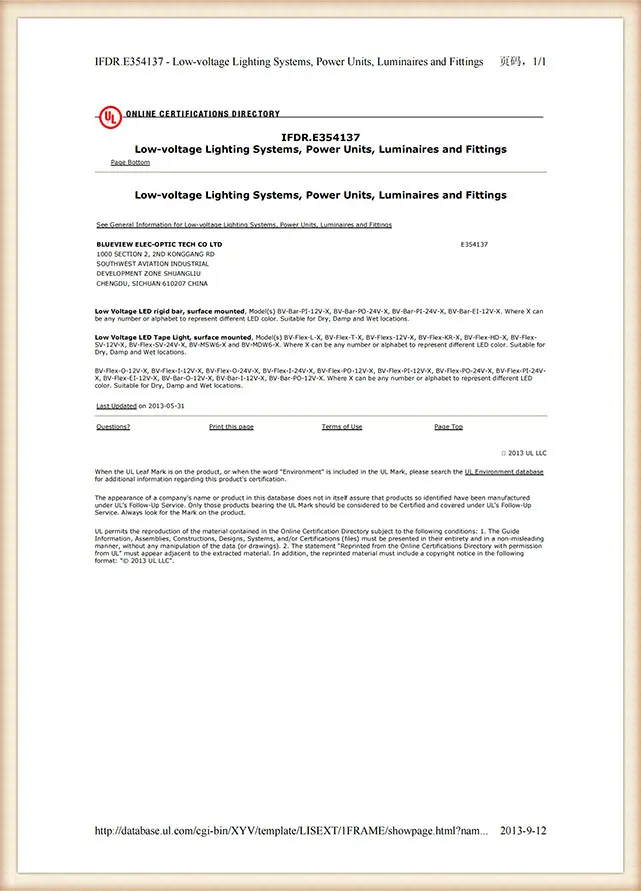
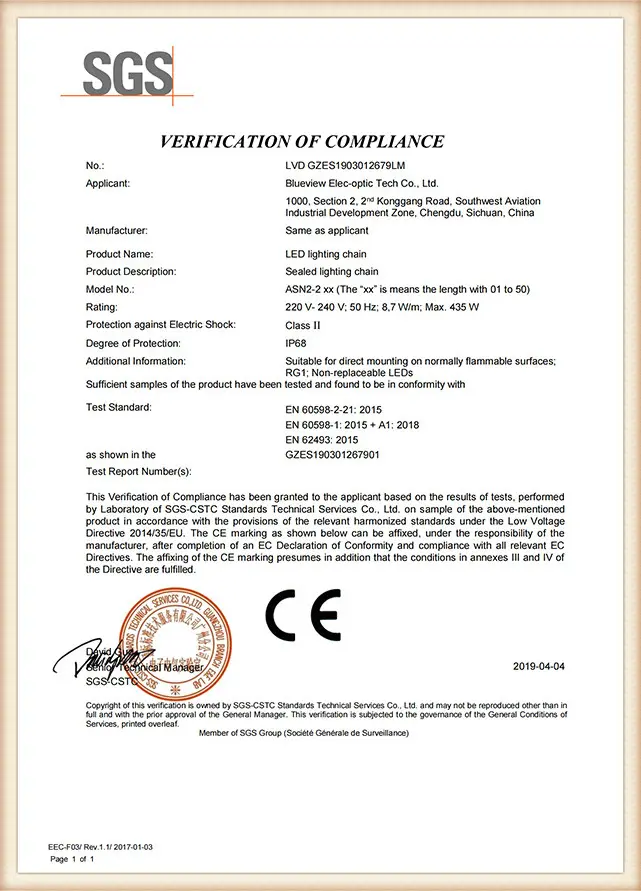
Our commitment to quality and safety is reflected in our numerous certificates, including UL, CE, RCM, SAA and RoHS.
Installing commercial electrical equipment externally requires compliance with structural safety, fire containment, and electronic interference regulations. Our products undergo testing to meet these international specifications. Architects and electrical engineers can specify our systems with confidence, knowing they comply with local building regulations.
To design signs that last in challenging outdoor environments, engineers must select materials that resist UV radiation, humidity, wind loads, and thermal expansion cycles. Here is how our engineering processes address these conditions:
For custom metal logo wall signs and laser-cut letter systems, we select aluminum alloys and stainless steel grades based on where they will be installed:
For frontlit letters and acrylic faux neon signs, maintaining color accuracy and preventing yellowing is critical. We use PMMA (Polymethyl Methacrylate) sheets containing UV inhibitors, which retain light transmission levels above 92% even after years of exposure to solar radiation.
We source LED chips with high luminous efficacy (up to 130 lm/W) and high Color Rendering Index (CRI > 80). Our LEDs undergo LM-80 testing to verify their lifespan. The wiring layouts use constant-current drivers to prevent voltage drops across large sign systems, keeping the brightness uniform across every letter.
Every commercial development faces unique local environmental challenges. Exterior building signage must be engineered to withstand these localized stresses:
For installations in regions like the Middle East or Southwestern US, we use high-temp LED arrays, thermal relief vents, and high-performance reflective finishes to prevent heat buildup.
For cold climates like Northern Europe or Canada, we specify power supplies rated down to -40°C, and use flexible wiring insulation that won't crack under thermal contraction.
For locations in hurricane-prone zones, our structures are calculated to meet ASCE 7-16 wind load criteria, utilizing heavy-gauge internal steel and concrete anchors.
For seaside properties, we apply protective layers to all components, use silicone potting for LEDs, and utilize 316-grade stainless steel fasteners to prevent rusting.
Looking ahead, exterior building signage is evolving to include smarter, more eco-friendly features. Our development team is working on several next-generation signage technologies:
We are developing solar film options that integrate onto the top of large marquee signs. This technology stores solar energy during the day, reducing the sign's reliance on the building's electrical grid.
Integrating photodiode arrays allows signage systems to adjust their brightness dynamically based on current weather conditions and daylight levels. This helps reduce light pollution and energy consumption while maintaining visibility.
We are working to source 100% recyclable acrylic polymers and clean-burn LED elements, helping projects meet sustainability standards like LEED and BREEAM.
Technical answers to common questions about engineering, ordering, and installing exterior building signs.
Discover more bespoke solutions engineered for high performance, visual consistency, and long-term durability.
 Xinliangdian