In the contemporary retail and commercial real estate ecosystem, visual communication is not merely an aesthetic choice—it is a critical driver of brand equity, customer engagement, and foot-traffic conversion. Shopping center light boxes and custom illuminated business signs represent the nexus of engineering, optics, and architectural branding. As urban environments grow denser and physical shopping malls adapt to high-tech digital integrations, the requirements for large-format display media have evolved significantly.
Historically, commercial signage relied on energy-intensive fluorescent lighting housed in heavy, structural steel boxes. Today, the global commercial interior and exterior display market has shifted decisively toward LED-driven Tension Fabric Light Boxes (TFL), ultra-slim LGP (Light Guide Plate) panels, and architectural light boxes that maximize luminescence while minimizing environmental footprint. In regions like North America and Europe, stringent energy codes, such as Title 24 in California and EU Eco-design regulations, have mandated highly efficient LED configurations, driving corporate procurement teams to search for experienced manufacturers capable of delivering compliant, certified, and durable hardware.
Procurement departments and visual merchandising directors must evaluate signage systems based on multiple criteria: luminance uniformity, color rendering index (CRI), structural load-bearing capacity for outdoor configurations, and long-term maintenance cycles. High-end shopping malls demand consistency; variation in color temperature (measured in Kelvin) across multiple illuminated panels can distort brand colors and detract from the prestige of retail hubs. Thus, custom manufacturing requires advanced bins matching for LEDs and precision-machined guide plates to prevent hot-spots and dark zones.
Using CAD-designed laser-dotted Light Guide Plates (LGP) to ensure 90%+ uniform light distribution across the entire display surface, eliminating hot-spots.
Utilizing high-end LED chips with a CRI > 85Ra. This ensures that printed graphics and luxury brand advertisements present accurate, vivid, and true-to-life colors.
Premium extruded aluminum profiles act as natural heat sinks, reducing operating temperatures, protecting LED life, and maintaining structural integrity over time.
The manufacturing landscape for custom illuminated signage is concentrated heavily within advanced industrial clusters in China. For global buyers, importing direct from factory offers unparalleled cost efficiencies, rapid prototyping, and scalability that local, mid-sized sign shops in target countries cannot match. However, the true value of a specialized Chinese manufacturer lies not just in lower labor costs, but in the complete integration of raw material processing, electronic assembly, and global regulatory compliance.
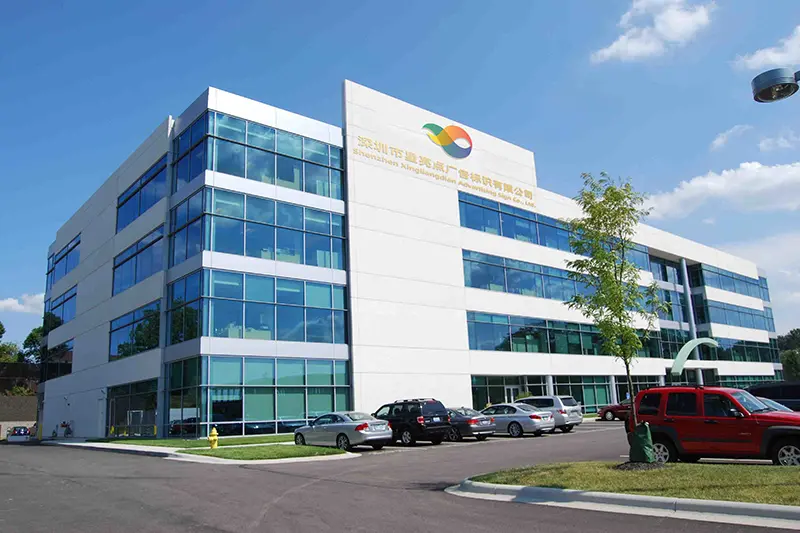
With an area of more than 3,000 square meters and over 25 years of specialized production experience in the advertising sign industry, our factory leverages a tightly-bound local ecosystem for aluminum extrusion, acrylic sheet casting, and optical film processing. This structural proximity enables us to source top-tier PMMA materials, high-efficacy LED modules, and UL-certified power drivers instantly. What translates to the buyer is a compressed lead time—often taking custom projects from design approval to global dispatch in less than 15 days.
Furthermore, our advanced digital production lines feature high-precision CNC routers, computerized laser-cutting tables, and grand-format UV printing machines capable of rendering detailed visual outputs. Whether you require a single, bespoke facade piece for a luxury store or hundreds of double-sided fabric light boxes for an international retail chain, our scalable industrial capacity ensures consistent quality across all units.
By bypassing middle-tier distributors, procurement agents secure factory-direct pricing, maximizing the return on visual display budgets.
From initial shop drawing, structural calculation, and thermal design to shipping and global customs clearance assistance.
Full support for tailor-made designs, special sizing, custom profiles, and branded component integrations matching customer design specs.
Strict quality gates at every stage, including a mandatory 48-hour burn-in testing cycle for all LED illuminated signs prior to export packing.
Selecting the appropriate display technology depends heavily on the installation context, physical dimensions, graphic update frequency, and lighting requirements. Below, we outline a comparative analysis of the primary technologies utilized in modern shopping centers to assist architects and commercial designers in decision-making.
| Technology Type | Common Applications | Max Dimensions | Avg. Thickness | Graphic Media | Key Performance Factor |
|---|---|---|---|---|---|
| Tension Fabric Light Box (TFL) | Atrium banners, storefront facades, large interior graphics | Custom up to 6m x 50m | 40mm - 120mm | Dye-sublimation polyester fabric | No glass, easy print exchange, frameless look |
| Slim Light Guide Plate (LGP) | Wayfinding directories, cosmetic counters, posters | 1.2m x 2.4m | 15mm - 30mm | Translucent PET backlit film | Ultra-slim footprint, extremely even illumination |
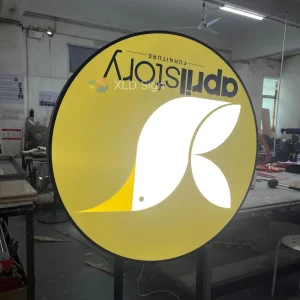
| Acrylic Front & Side-Lit Box | Outdoor logo displays, boutique shopfronts | Custom sizes | 50mm - 150mm | Thermoformed PMMA Acrylic | High gloss, three-dimensional light output |
| Outdoor Dynamic Light Box | Transit hubs, mall entrances, exterior directories | Customized structures | 100mm - 200mm | Tempered glass + heavy tension fabric | IP65 weatherproofing, wind load structural frame |
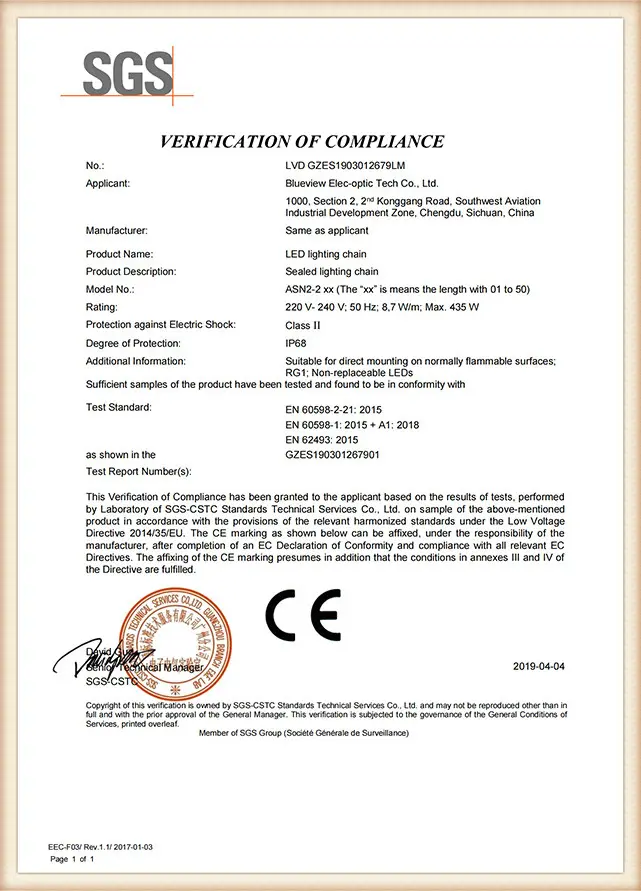
In municipal construction and commercial tenant fit-outs, safety certifications are a absolute prerequisite. Non-compliant signage can lead to insurance voids, building inspection failures, and in worst-case scenarios, fire hazards. Our factory has invested heavily in ensuring that all products comply with international electronic standards. Our power configurations, wiring components, LED modules, and housing assemblies are built to meet the following parameters:
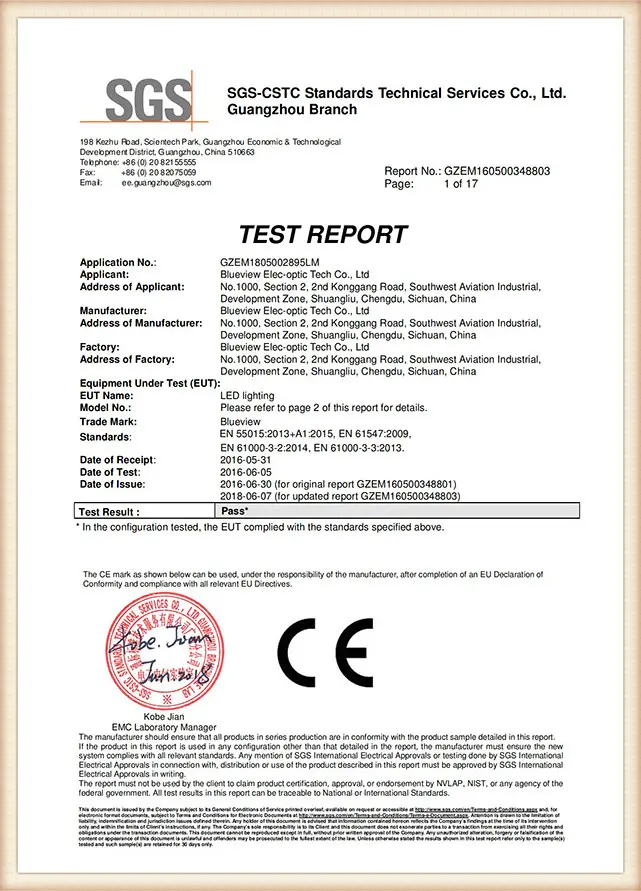 Safety Compliance
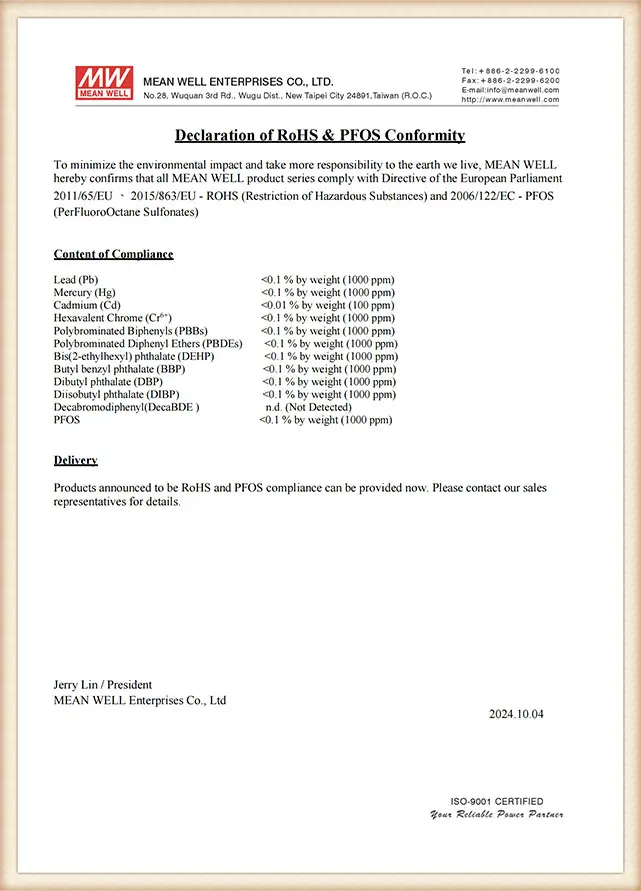 Electrical Standard
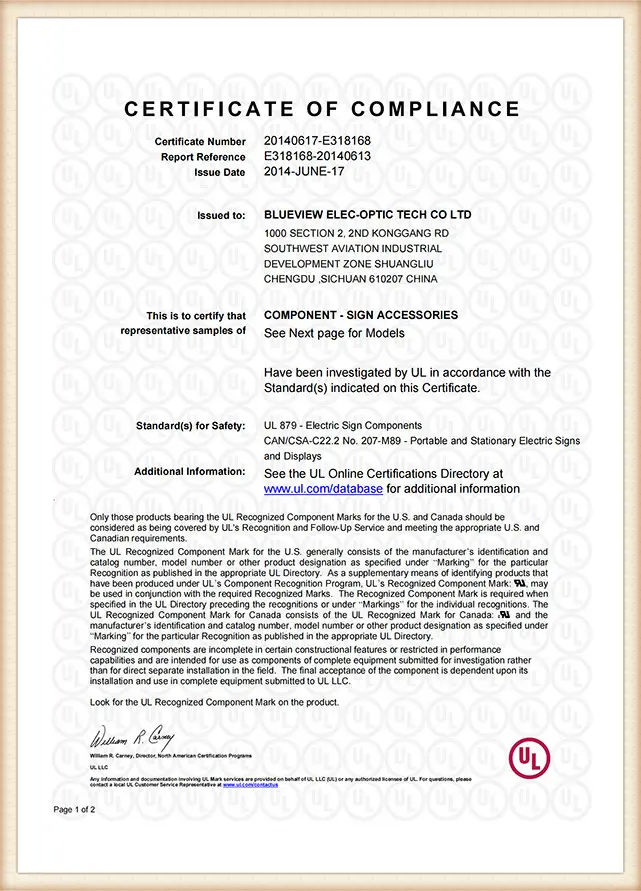 Quality Control
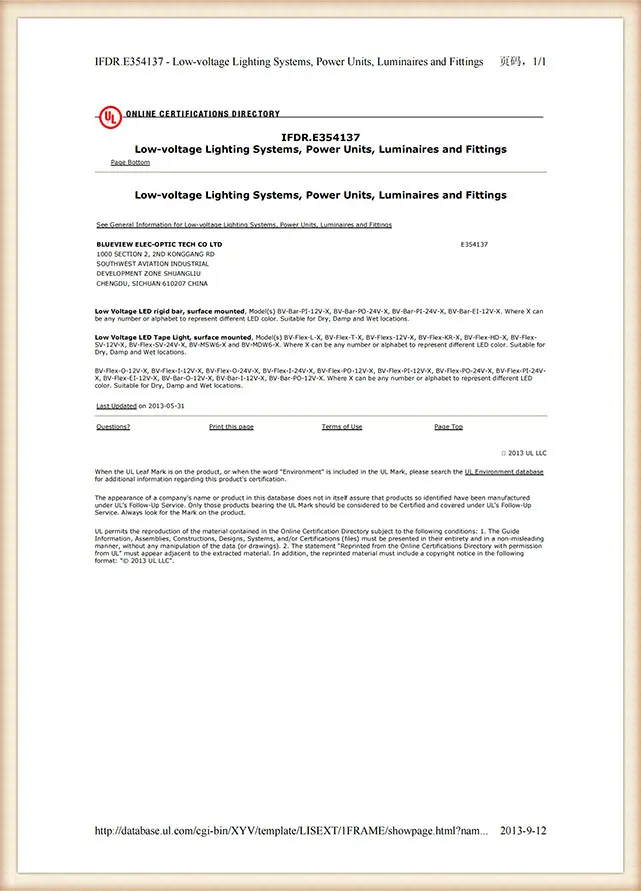 CE Compliance
 RoHS Certification
Whether you require UL listing for project deployment in the United States or Canada, CE mark for Europe, or SAA/RCM certification for Oceania, we build specifically to the standards required. Each product is labeled and traceable, offering peace of mind to project managers, electrical contractors, and real estate developers.
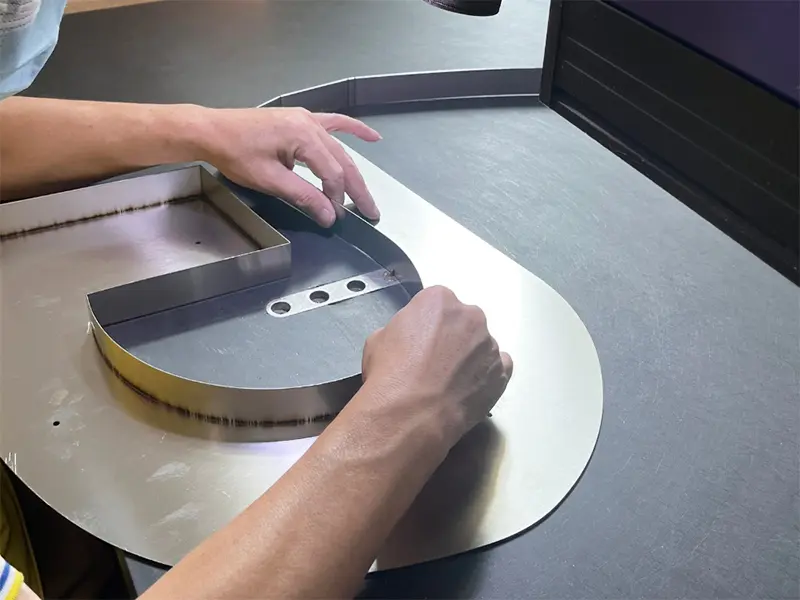
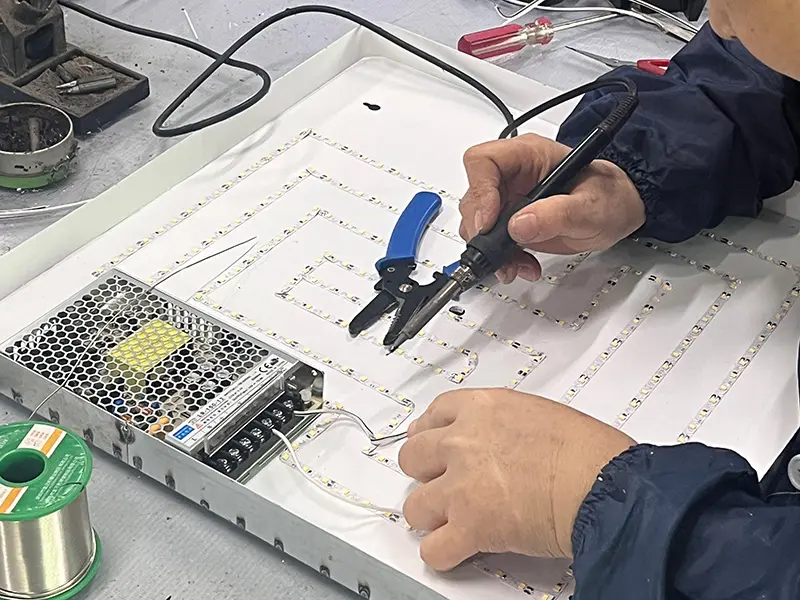
Our commitment to manufacturing excellence is visible across our specialized work cells. We display deep expertise across metal fabrication, acrylic polishing, electronics integration, and mechanical testing, ensuring every project is delivered on-spec.
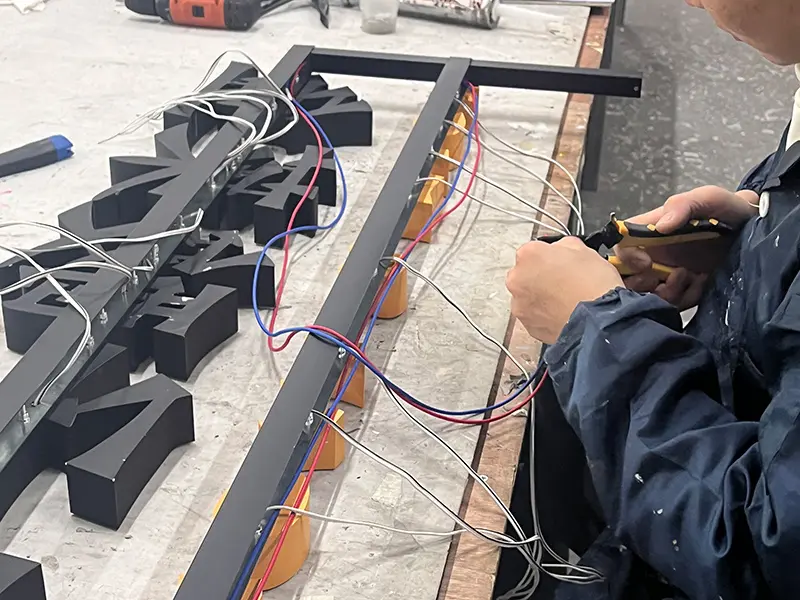
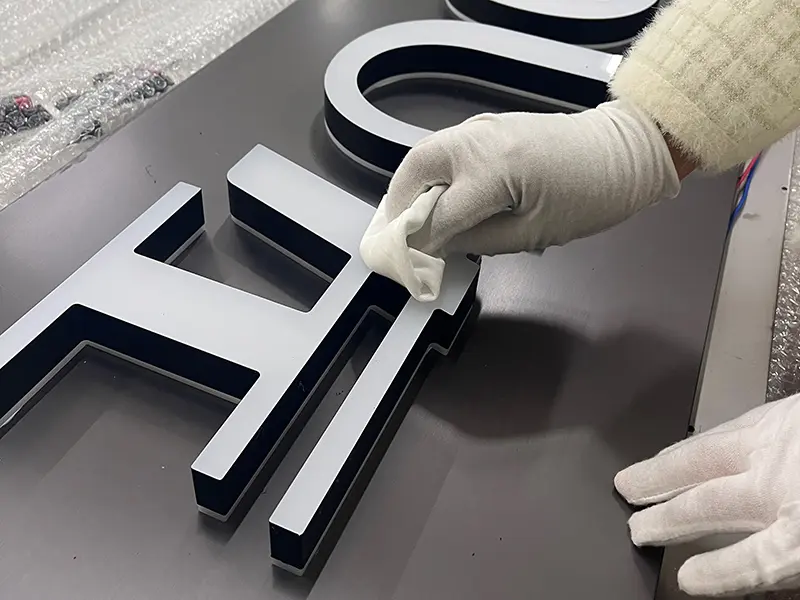
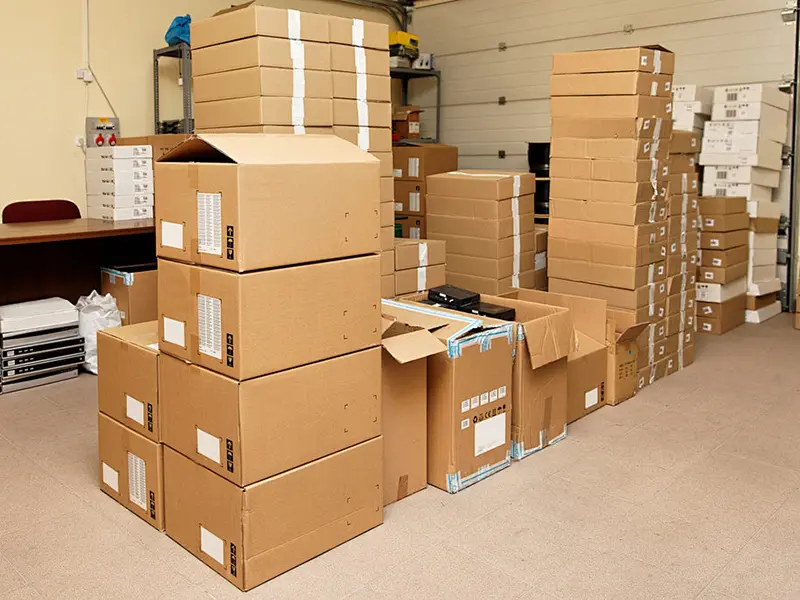
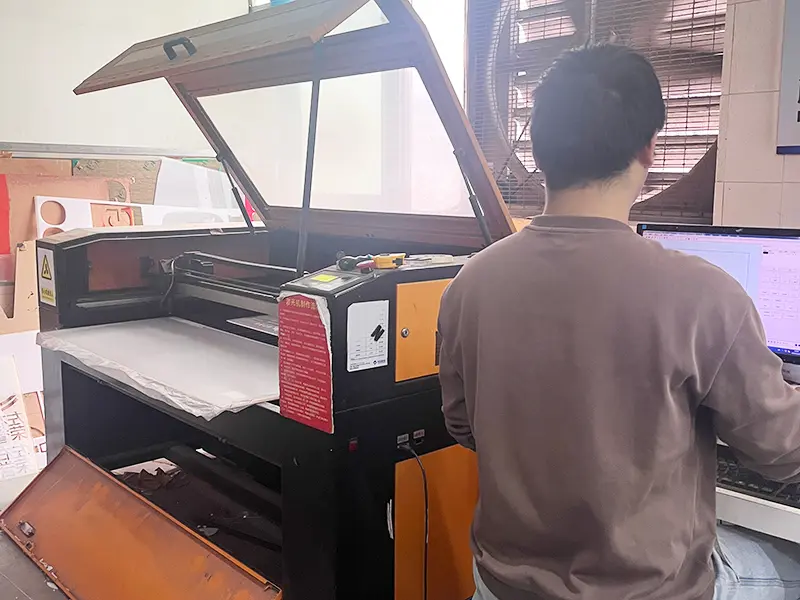
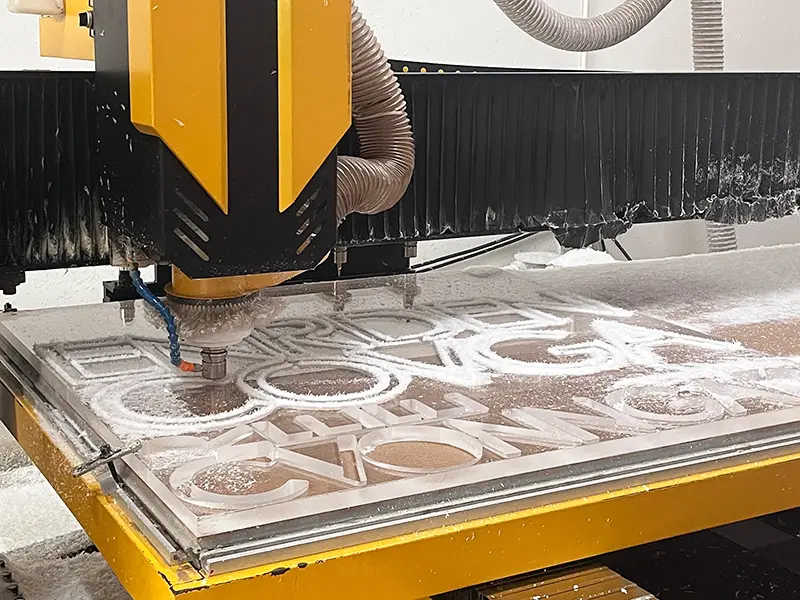
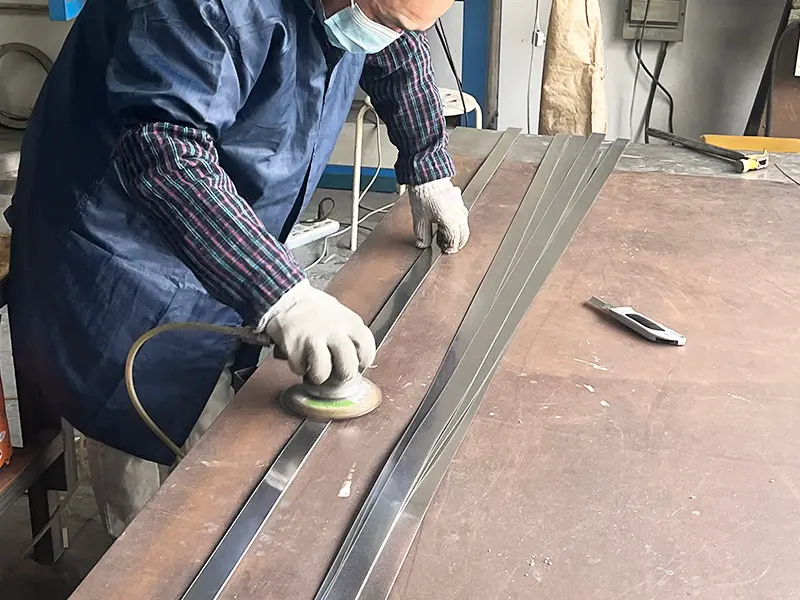
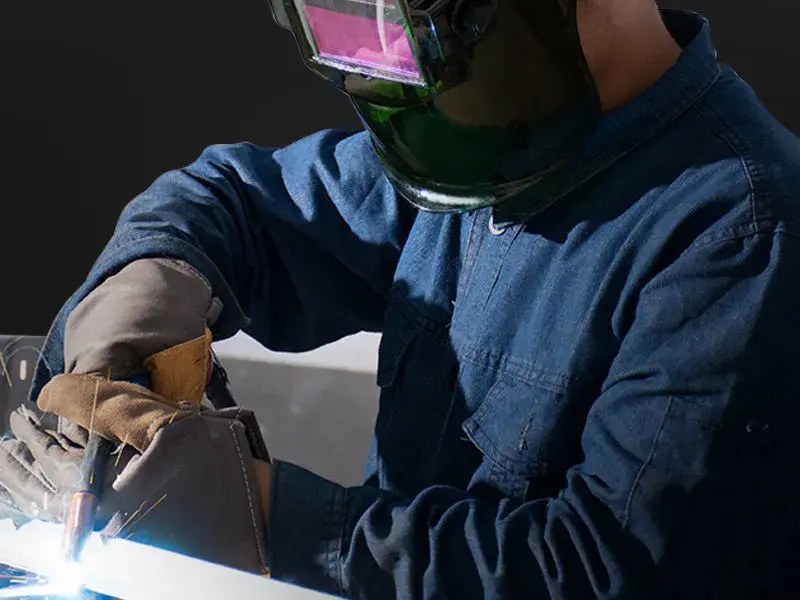
Understanding where and how custom light boxes are implemented allows developers to spec the appropriate system configurations early in the architectural drawing phase.
In high-volume areas, large scale Tension Fabric Light Boxes (TFL) are suspended from overhead structural supports. These displays are designed with lightweight structural aluminum frames and high-intensity, back-lit LED arrays to cast punchy, daylight-balanced light. The fabric graphics feature silicone bead borders (SEG) that fit tightly into the frame groove, facilitating rapid visual replacement by local store staff without specialized tools.
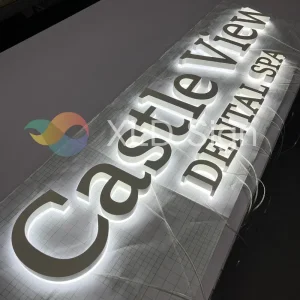
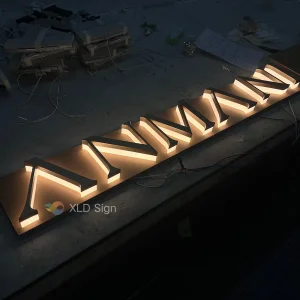
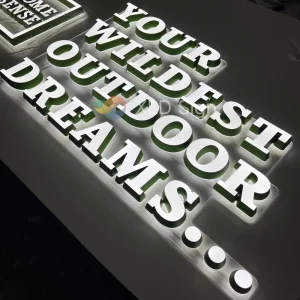
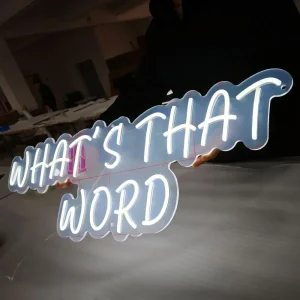
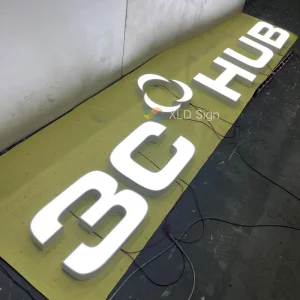
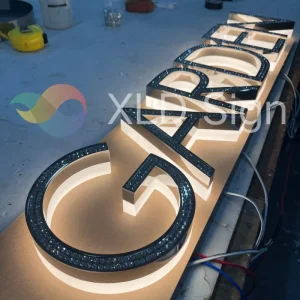
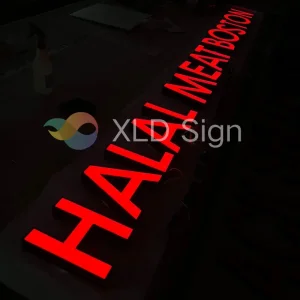
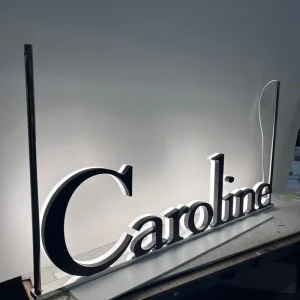
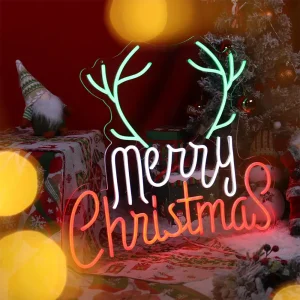
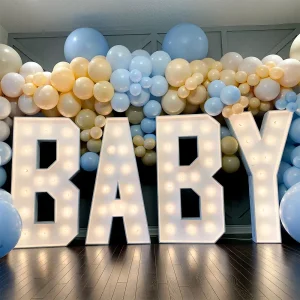
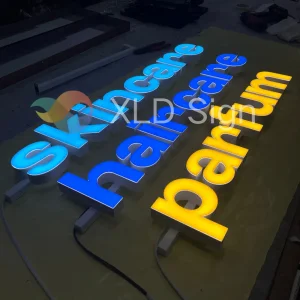
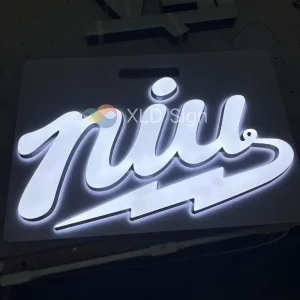
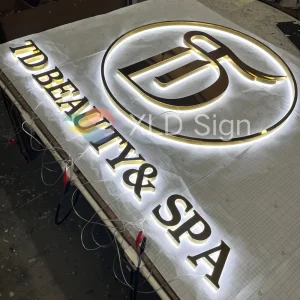
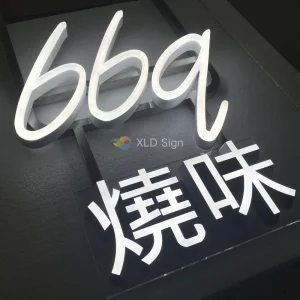
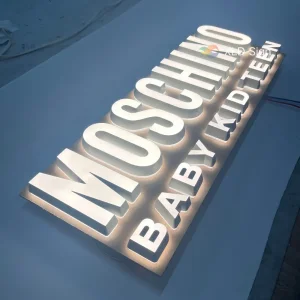
Bespoke shopfront branding utilizes high-gloss acrylic front-lit signage, back-lit channel letters, or acrylic faux neon. These custom signs combine metal profiles (such as marine-grade stainless steel) with vacuum-formed acrylic to deliver crisp, three-dimensional representations of corporate marks. Utilizing custom LEDs inside ensures perfect compliance with corporate color guidelines.
Modern wayfinding layouts require highly integrated structures. High-precision LGP panels are used here to create double-sided, slim directories that can support digital screen mounts. Their thin profile allows mounting in heavy pedestrian walkways without restricting circulation paths.
 Xinliangdian