Discover our industry-acclaimed architectural backlighting models designed for luxury storefronts, enterprise corporate facilities, and high-visibility retail zones.
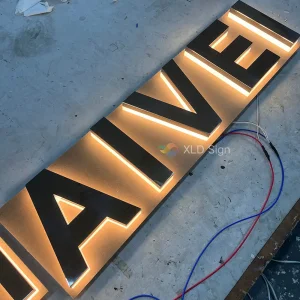
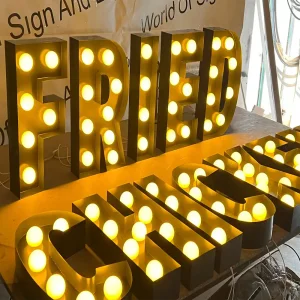
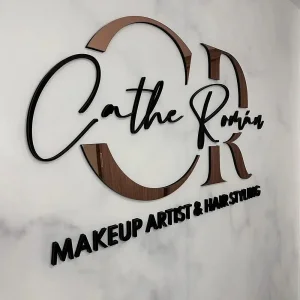
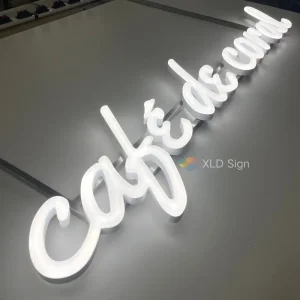
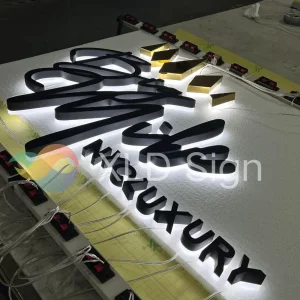
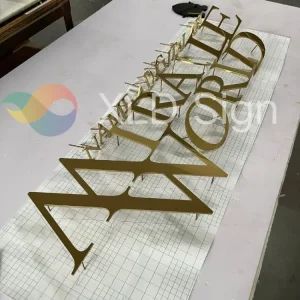
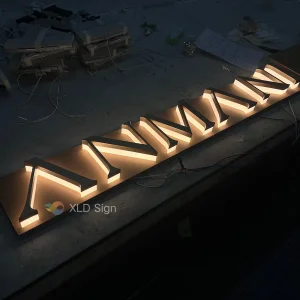
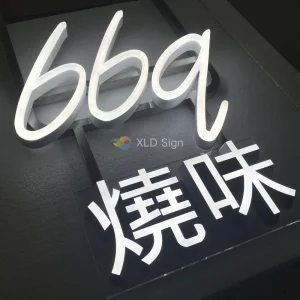
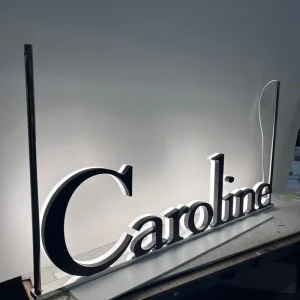
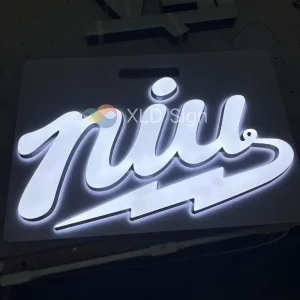
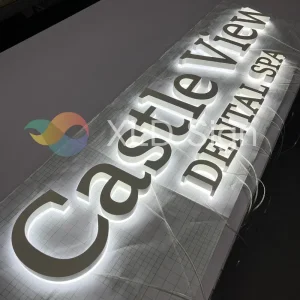
In the contemporary visual landscape, physical storefronts and corporate headquarters serve as vital touchpoints for offline brand interaction. Among various architectural signage methods, the custom backlit LED channel letter sign (commonly referenced in design specifications as "halo-lit" or "reverse-channel" lettering) has emerged as the global standard for premium brand representation. By throwing light backward onto the mounting facade rather than forward, these installations construct a high-contrast silhouetted "halo" effect. This technique mitigates direct lens glare, delivers supreme readability under diverse ambient lighting, and yields an elevated, three-dimensional aesthetic that typical front-lit signage cannot replicate.
From an urban planning and zoning perspective, municipalities worldwide are enacting stricter light pollution and aesthetic standards. The soft, reflected luminance profile of reverse-lit channel signs aligns with both "Dark Sky" compliance initiatives and local zoning limits on maximum candela output per square meter. Consequently, real estate developers, luxury retail conglomerates, global hospitality networks, and financial institutions are steadily standardizing backlit channel letters for both indoor corporate identity displays and outdoor perimeter facade treatments.
“Information Gain Insight: The architectural value of halo lighting lies in the contrast ratio, not raw luminous output. By controlling the spatial offset between the rear light source and the mounting plane, designers can manipulate the soft gradient shadow surrounding each letter, creating a visually distinct ambient light signature.”
Globally, raw material sourcing and manufacturing methods have shifted toward high-grade, marine-class metals and engineered polymers. Leading international fabricators focus heavily on architectural stainless steel (principally 304 and 316 grades) and precision CNC-machined PMMA (Polymethyl Methacrylate) acrylic diffusers. Integrating low-profile, energy-dense light-emitting diodes (LEDs) with these materials ensures a high-efficiency electrical design that conforms to strict industrial standards like UL 48, CE compliance, and RoHS directives.
Behind the premium visual delivery of a reverse channel letter lies a complex array of mechanical and optical considerations. The material composition of the letter casing determines the sign's resistance to corrosion, thermal expansion, and structural fatigue.
| Component | Material Options | Technical Characteristics | Application Environment |
|---|---|---|---|
| Letter Return / Face | 304/316 Stainless Steel, Aluminum | Laser-cut faces, TIG/Laser welded seams, powder coated or mirror polished finishes. | All environments; 316 Marine-grade for coastal or high-salinity zones. |
| Diffuser Backing | High-density PMMA Acrylic (Frosted) | 92%+ optical transmission, light-diffusing additives to prevent LED hot-spotting. | Standard on premium backlit letters to achieve even, balanced halo output. |
| LED Module Engines | Epistar or Samsung SMDs (IP67/68) | Constant-current driver architecture, high CRI (>80), 50,000h+ operational L70 life. | All-weather outdoor applications requiring minimal maintenance access. |
| Mounting Hardware | Threaded Studs (Stainless Steel) | Adjustable standoff sleeves (typically 1/2" to 2" depths) to manage projection offsets. | Secured into concrete, brick, ACM panels, or custom metal raceways. |
For optimal light diffusion, manufacturers utilize specialized mathematical modeling to determine diode placement density (pitch). If diodes are placed too far apart, the sign displays noticeable dim regions or "shadow cones." If placed too close to the backing material without adequate offset, the viewer will observe "hot-spotting"—where individual point sources of light are visible, ruining the continuous halo illusion. To achieve a perfectly uniform wash of light, our manufacturing process maintains a strict relationship between diode beam angle (typically 120° to 170°), backing distance, and the acrylic sheet refractive index.
Furthermore, thermal management is key to preventing early LED lumen depreciation. Although LEDs run cooler than traditional neon or incandescent bulbs, grouping them tightly inside a sealed metal letter enclosure can build up ambient heat. Quality manufacturers implement thermal paste layers or mount LEDs onto aluminum core circuit boards (MC-PCBs) to heat-sink the diodes directly to the metal returns of the letter casing, drawing heat away from the electronics and dissipating it safely into the outdoor atmosphere.
Procuring custom sign assemblies directly from the manufacturing source offers major structural advantages over utilizing marketing brokerages or localized sign broker operations. By retaining control over the vertical assembly pipeline—from computer-aided CAD modeling to final laser-welding and optical verification—we ensure strict adherence to project specifications and raw material purity.
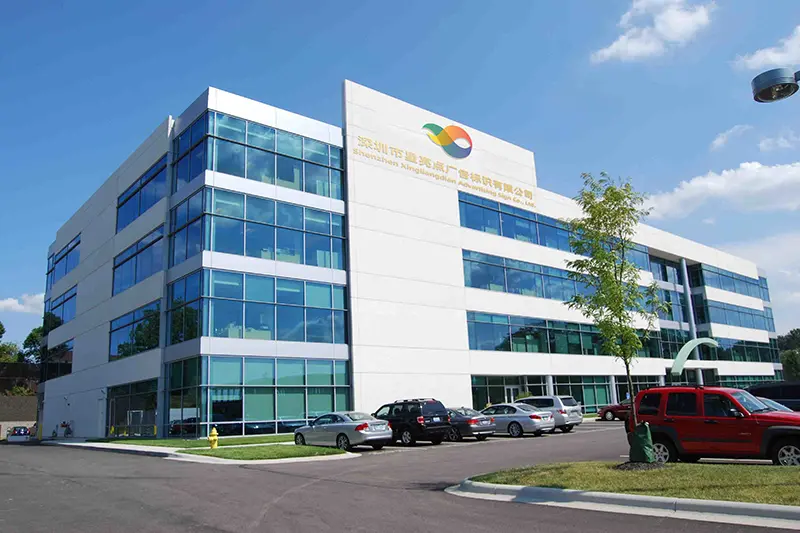
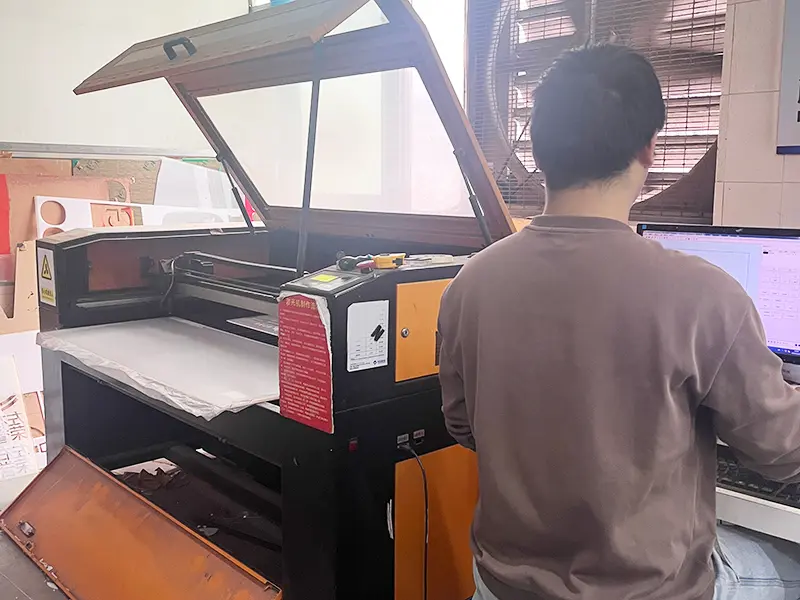
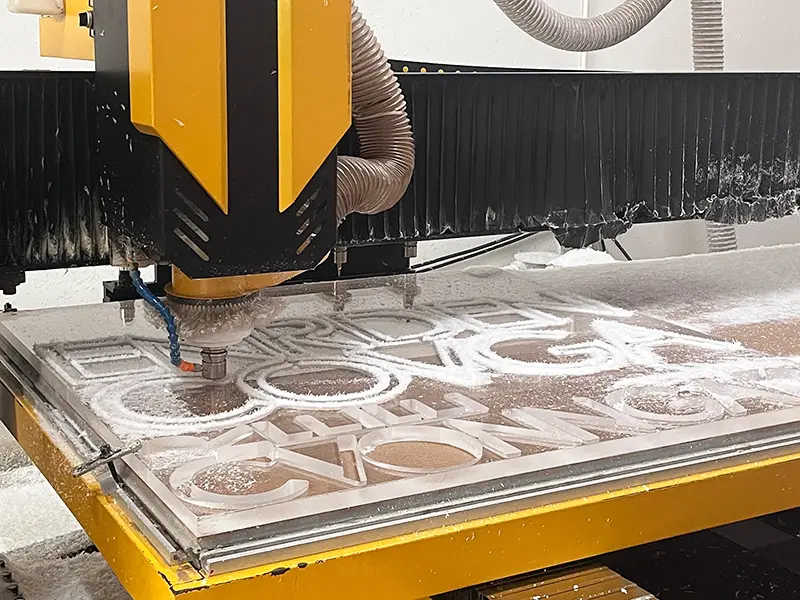
Our 3,000+ square meter factory runs dedicated machining centers designed for premium commercial signage fabrication. This infrastructure allows our engineers to tackle complex, large-scale developments while ensuring custom brand compliance on every letter shape, logo contour, and specific lighting requirement.
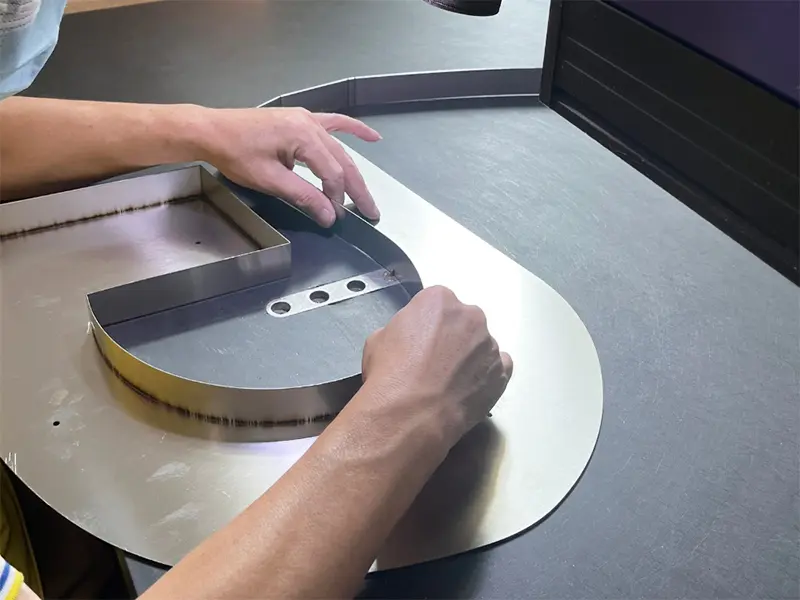
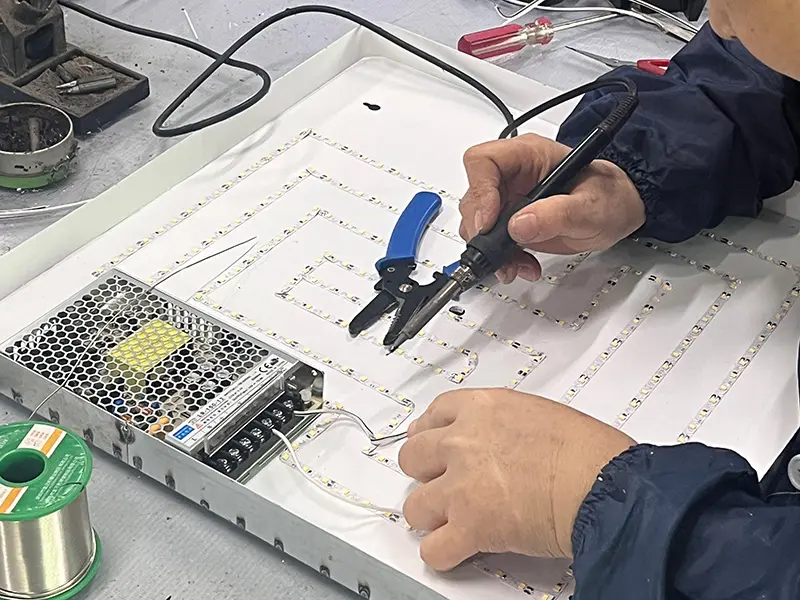
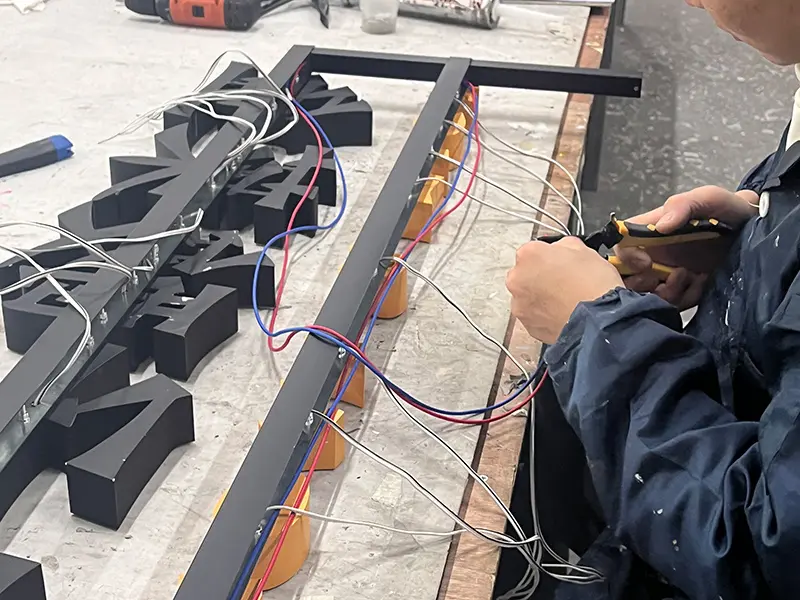
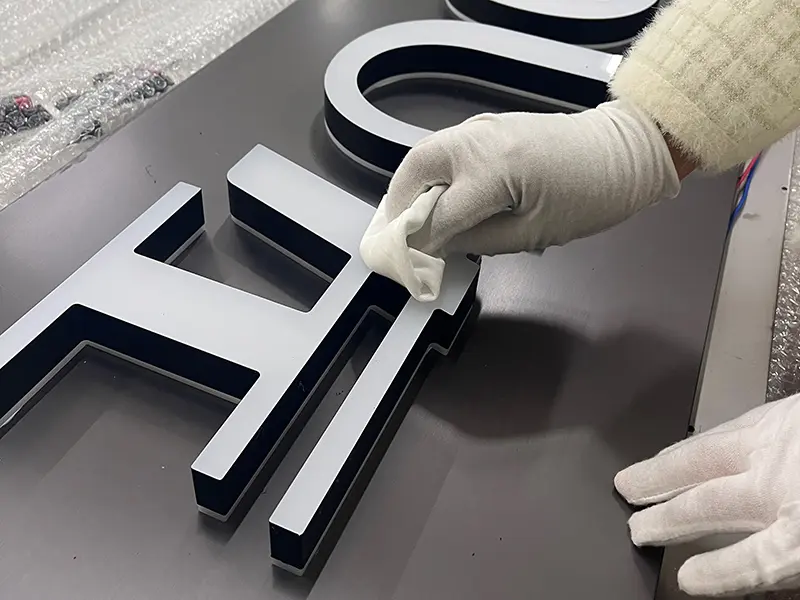
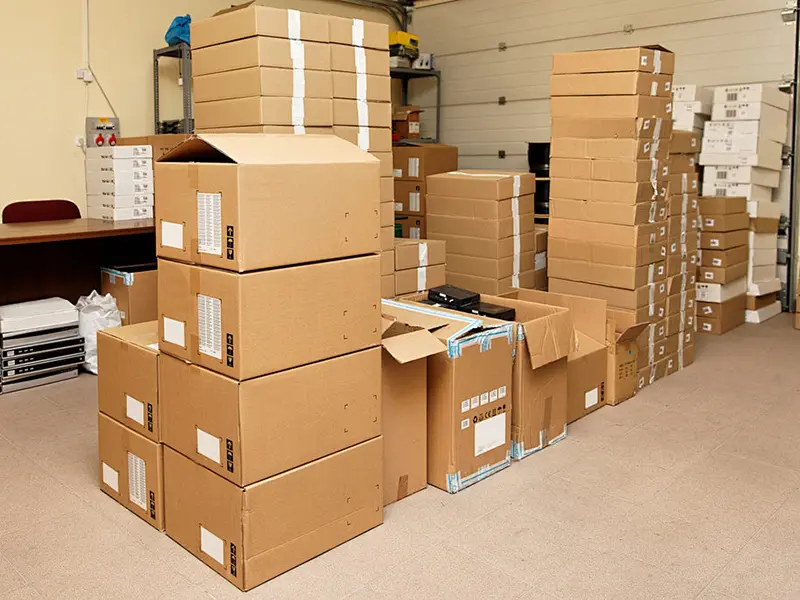
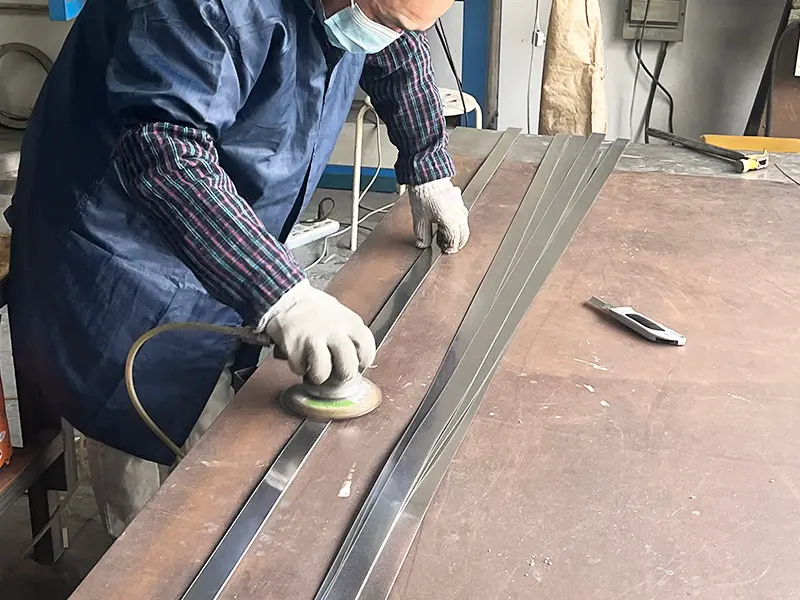
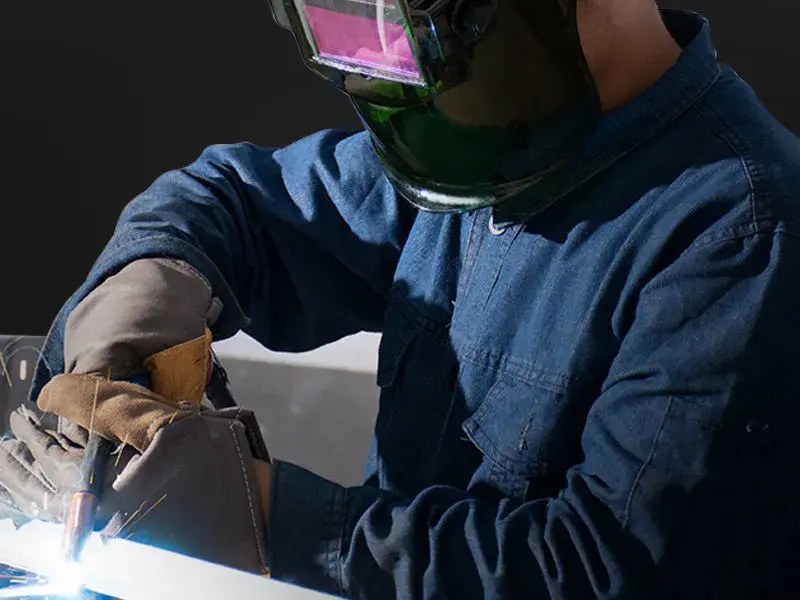
Our manufacturing flow begins with precision CAD parsing, translating vector artwork into accurate toolpaths for high-pressure fiber laser cutters. Casing returns are bent using computerized auto-channel benders to match complex typography profiles without stress-fracturing the metal. The final elements undergo automated welding and multi-stage chemical cleaning before receiving marine-grade powder coating or premium electroplating finishes (such as physical vapor deposition - PVD).
For commercial developments, municipal compliance is a non-negotiable prerequisite. All backlit components generated within our production facility undergo rigorous testing protocols to secure international certifications. This guarantees seamless safety inspections and building permit approvals on jobsites globally.
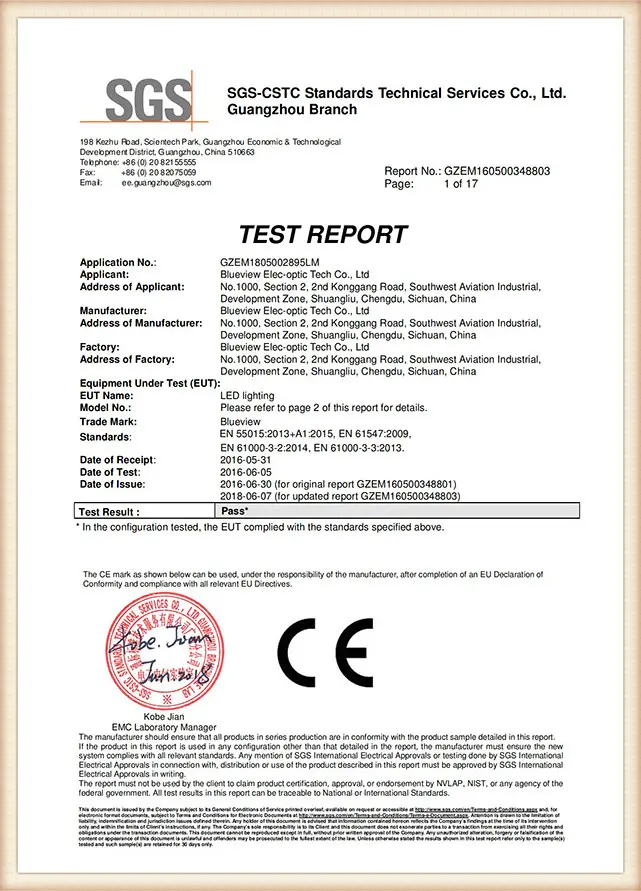
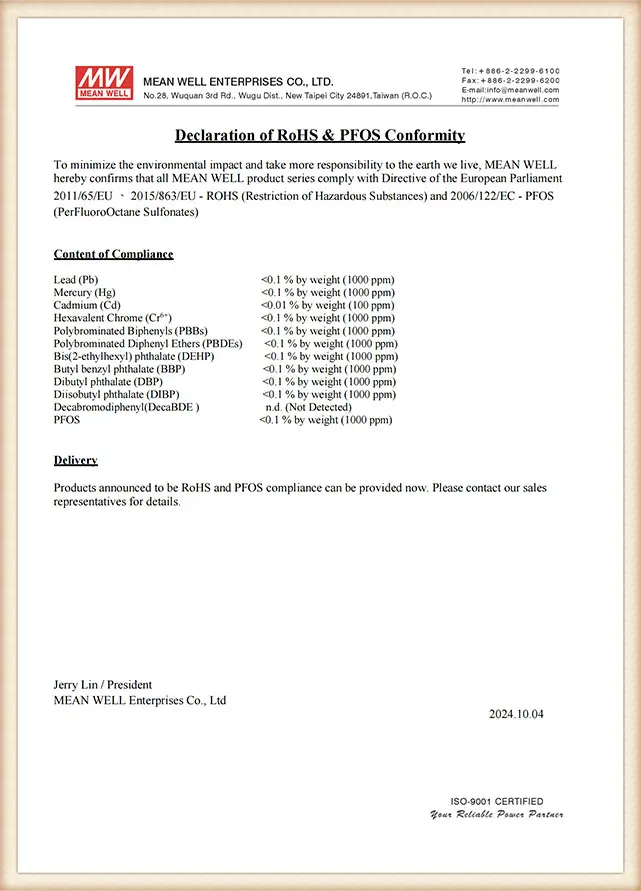
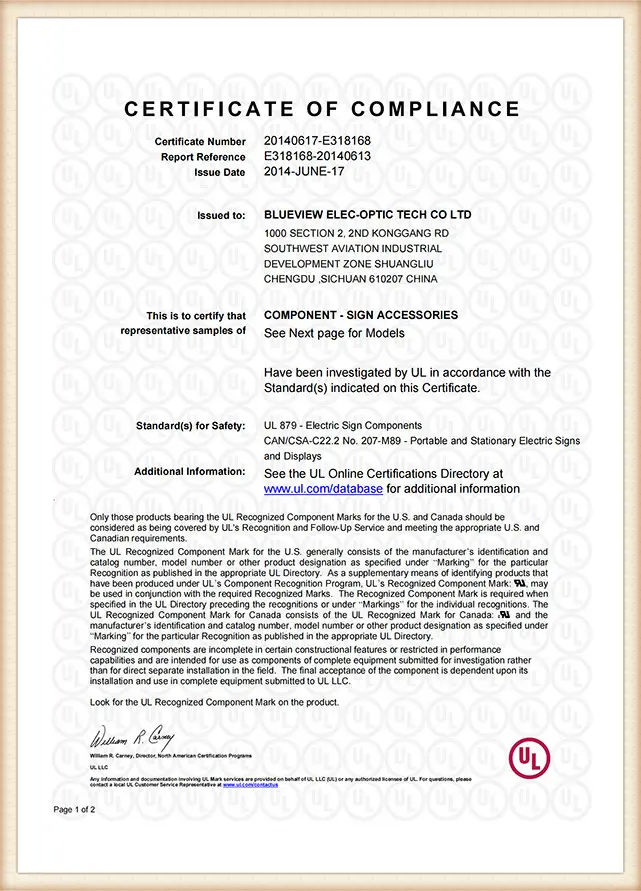
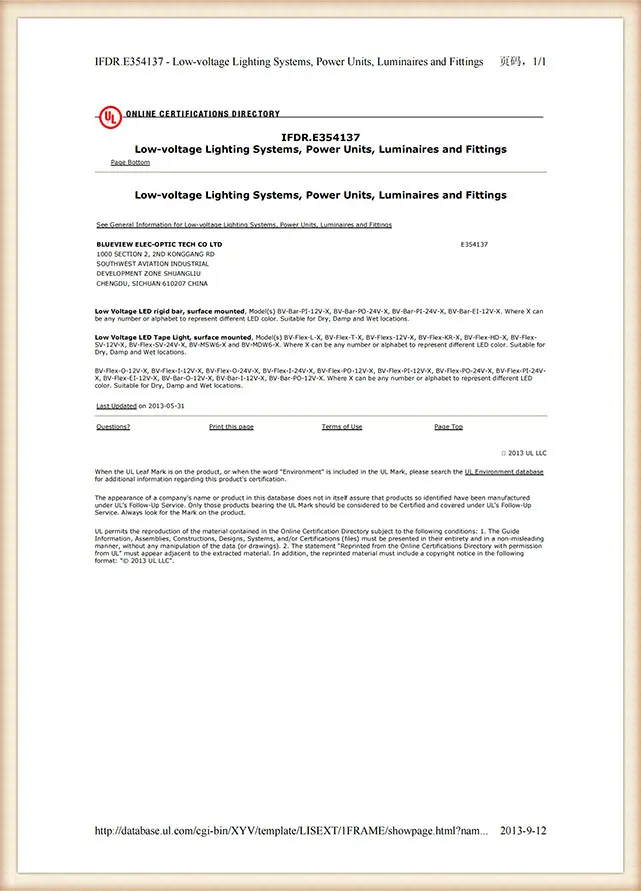
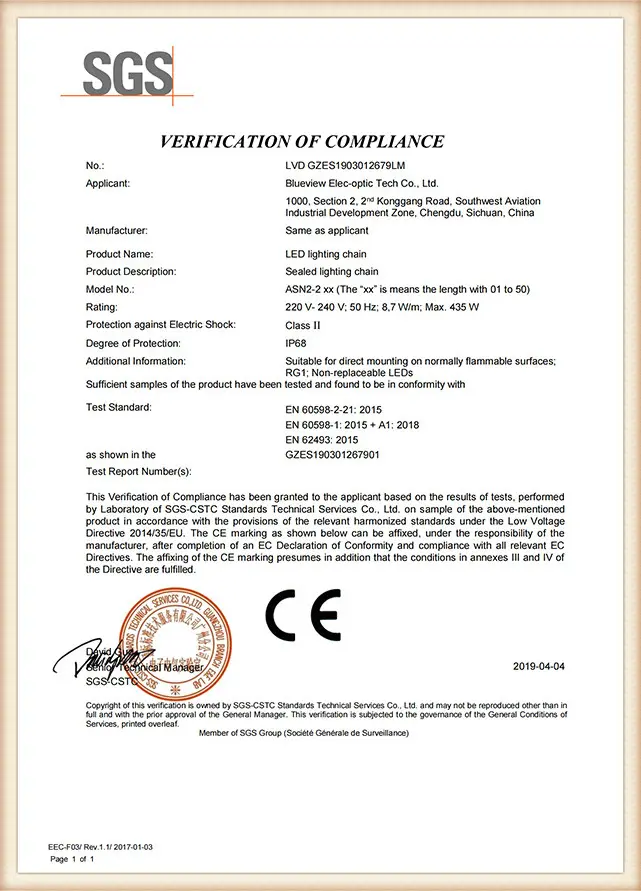
“Regulatory Note: UL 48 and CE compliance ensure that all drivers, internal wiring, and connections can withstand high-voltage surges, wet outdoor conditions, and mechanical stressors. Using non-certified signs can invalidate commercial property insurance policies in North America and Western Europe.”
We streamline complex custom signage projects through advanced technology, quality control, and direct-to-factory communication.
Eliminate middleman markups. Our direct factory access guarantees competitive pricing, transparent production, and strict QC testing across all processes.
Our commitment is backed by international safety standards, holding active UL, CE, RCM, SAA, and RoHS certifications for global compliance.
From visual design translation and vector optimization to mounting plans, electrical diagrams, and custom packaging, we manage the entire project lifecycle.
Supporting diverse brand aesthetics with premium materials: titanium plating, mirror stainless steel, textured acrylics, and intelligent smart-LED integrations.
As signage technology advances, several key engineering innovations are shaping the next generation of custom backlit brand assets.
Next-gen signage systems integrate IoT control nodes directly into structural drivers. This allows operators to monitor LED health, adjust brightness based on ambient light sensors, and schedule energy-efficient runtime policies remotely.
Moving beyond static single-color temperatures, modern specifications utilize addressable RGBW LEDs. This lets brands display programmed transitions, coordinate colors with marketing campaigns, and maintain exact brand color matches.
Aligning with global circular economy goals, developers are selecting recyclable polymers and low-energy solar hybrid systems. This minimizes carbon footprints while maintaining structural integrity in extreme outdoor conditions.
For multi-location retail brands and commercial real estate developers, managing custom signage rollouts can be logistically challenging. Brand consistency across different cities requires standardized manufacturing guidelines. When a corporate logo uses specific colors, variations in localized manufacturing can lead to visible mismatches between branch locations.
By partnering with a direct manufacturer, developers gain access to standardized material formulas and paint match codes (Pantone / RAL). This ensures that every LED module maintains the same color temperature (K), and every metal finish is identical, whether it is installed in New York, London, or Sydney.
Large-scale outdoor signage must be engineered to withstand local environmental challenges. Signs mounted on high-rise facades face significant wind loads. If not structurally reinforced, winds can rip the letters from the wall, presenting safety hazards and liability risks. Our engineering process includes wind load calculations (up to hurricane force levels) and FEA modeling of the internal metal supports to guarantee structural safety.
For projects in coastal regions, high humidity and salt spray can cause corrosion in standard metals. To prevent oxidation, we utilize marine-grade 316 stainless steel combined with specialized clear-coat protective layers. This ensures our signs maintain their premium look over decades of exposure to harsh marine environments.
Get authoritative answers on engineering, installation, and compliance for custom backlit LED signage.
Precision engineered lighting solutions configured for global architectural applications and commercial storefront branding.
 Xinliangdian