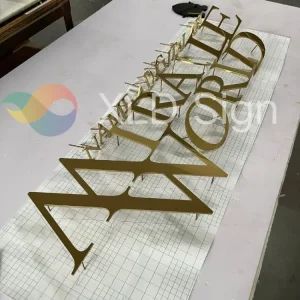
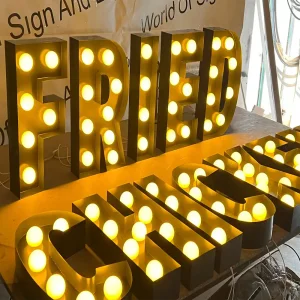
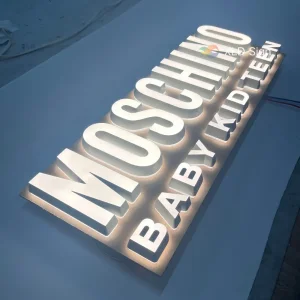
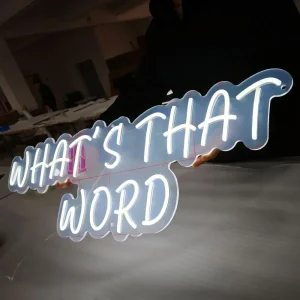
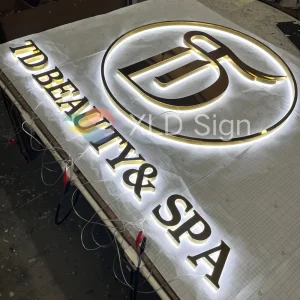
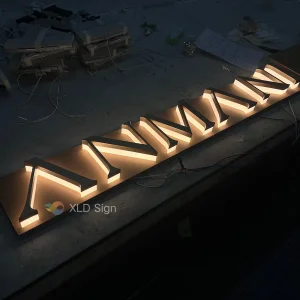
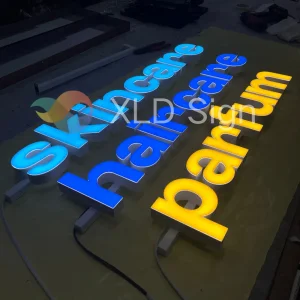
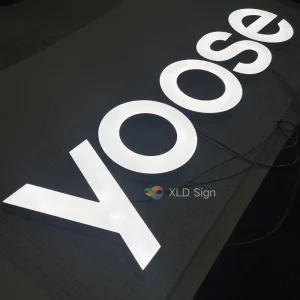
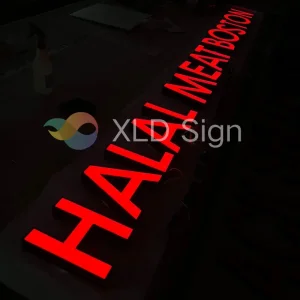
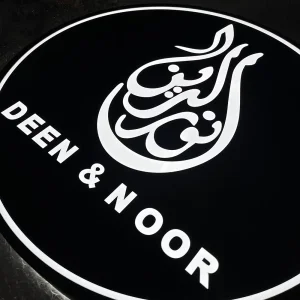
Explore our premium architectural lighting installations and signature LED acrylic sign systems crafted for global brands.
In modern architectural design and physical brand implementation, lighted custom acrylic signage has transcended simple wayfinding. Today, it serves as a critical bridge between physical brand presentation and consumer interaction. Through advanced material engineering, CNC-controlled routing, and high-efficiency LED modules, premium sign systems help businesses build trust, establish clear visual authority, and maximize their ROI.
The global market for illuminated architectural elements is experiencing a significant shift toward energy-efficient, long-lasting, and smart systems. In response to strict green-building standards like LEED and BREEAM, leading sign manufacturers are abandoning outdated neon tube lighting in favor of solid-state LED systems and high-transmittance PMMA (Polymethyl Methacrylate). This engineering shift reduces operating costs and provides precise control over color temperatures, beam diffusion, and lux distribution.
“Modern consumer experiences are highly visual. A brand's physical storefront serves as its most direct statement of quality and credibility. Selecting high-grade lighted acrylic signage is no longer just a facility upgrade—it is a core branding investment that directly impacts foot traffic and customer acquisition.”
As sourcing channels become more globalized, developers, design agencies, and corporate real estate firms must look beyond unit costs. Evaluation criteria now focus on thermal management, optical diffusion efficiency, structural integrity under environmental stress, and compliance with local safety standards. This guide analyzes these engineering requirements to help procurement professionals make informed, high-value decisions.
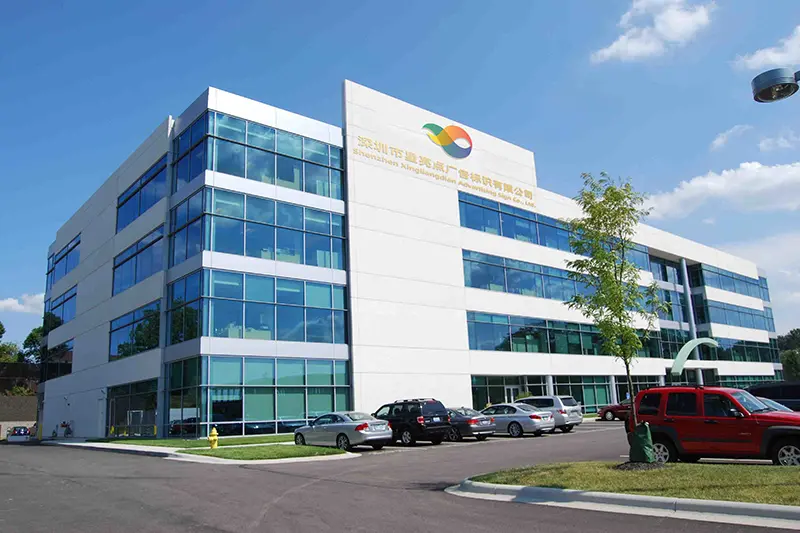
We are a professional factory covering an area of more than 3,000 square meters with more than 25 years of production experience in the advertising sign industry. We specialize in customizing a variety of illuminated business signs, light boxes, and Acrylic Faux Neon Signs. With comprehensive manufacturing capabilities, we can customize any unique business advertising sign.
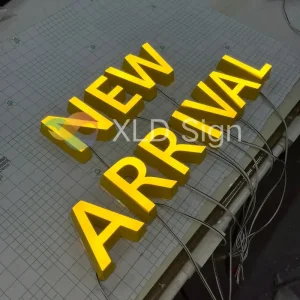
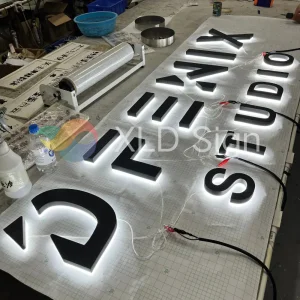
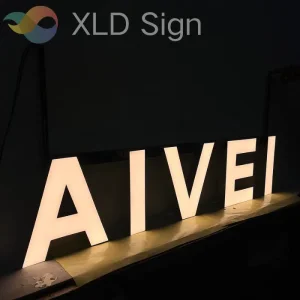
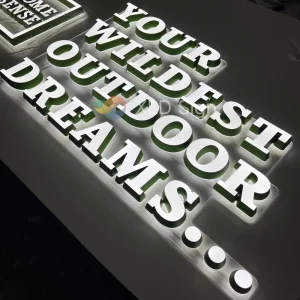
Main Products: Our main products include LED Backlit Letter Signs, LED Frontlit Letter Signs, LED front and back luminous letter signs, Non-illuminated Metal Letter Signs, Light Boxes, Acrylic Faux Neon Signs, and other creative business signs.
Our facility integrates high-precision tooling machinery, including automated laser cutters, multi-axis CNC routers, vacuum thermal forming machines, and specialized dust-free clean rooms for acrylic bonding and painting. This dedicated infrastructure allows us to maintain strict tolerances, achieving structural consistency within ±0.2mm across production batches.
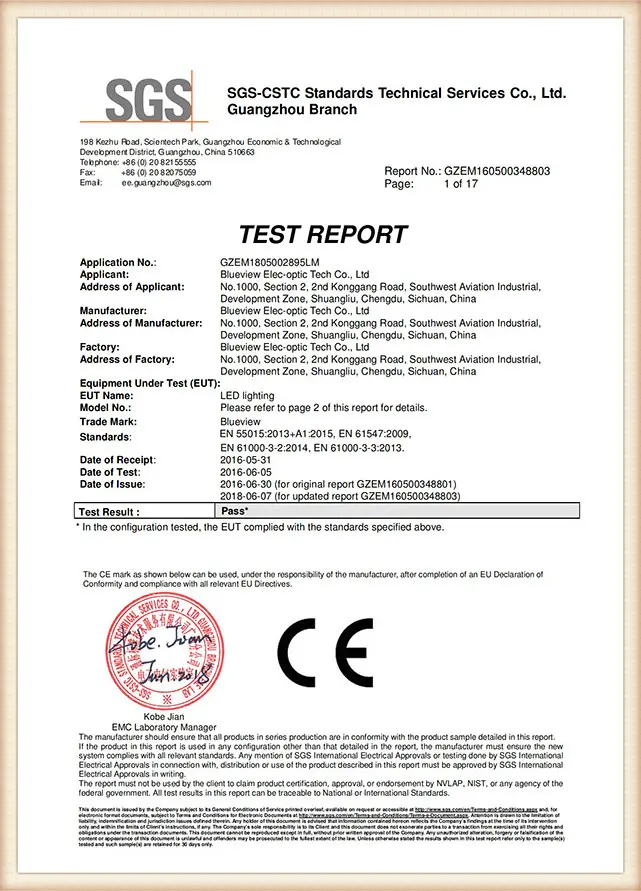
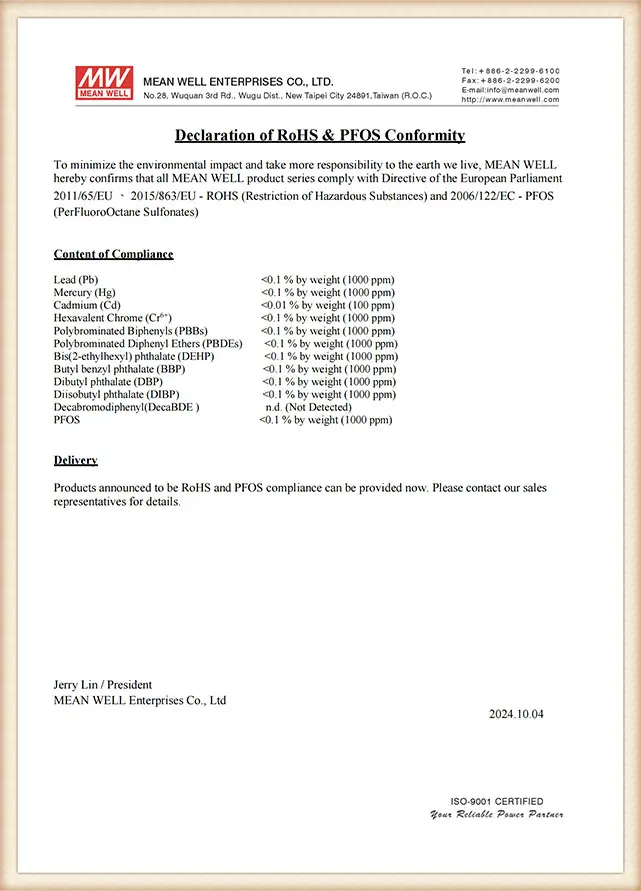
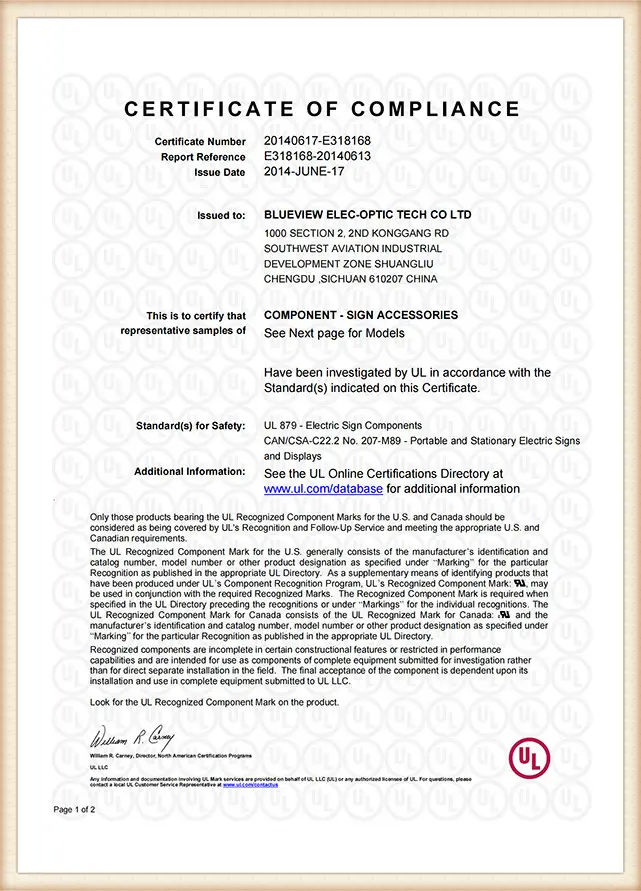
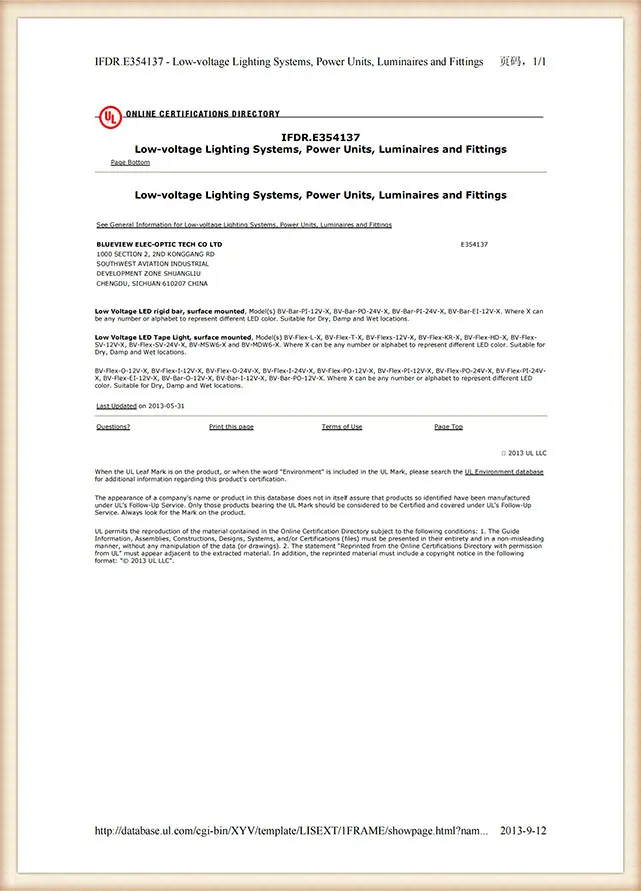
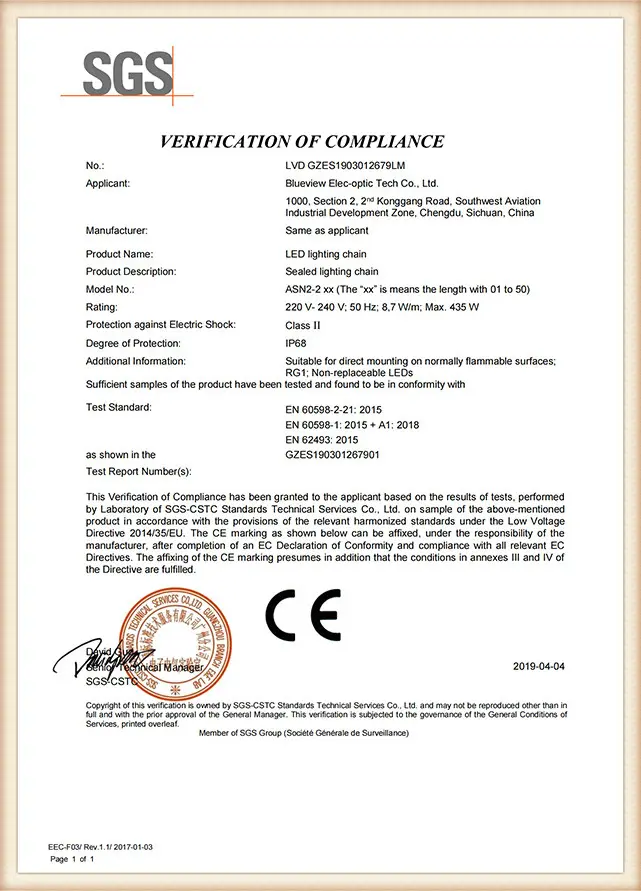
Our commitment to safety and manufacturing quality is backed by globally recognized certifications, including UL, CE, RCM, SAA, and RoHS. This compliance ensures seamless integration with local electrical grids and building codes.
Architectural-grade lighted acrylic signage relies on precise material engineering. Not all polymers perform the same under constant UV exposure and thermal cycles. We use cast PMMA (Polymethyl Methacrylate) rather than extruded alternatives, offering superior UV stability, high tensile strength, and excellent light transmission (up to 92% for clear sheets).
For custom signage, uniform light diffusion is critical to avoid hot spots and dark areas. We use specialized diffuser-doped acrylic containing microscopic, light-scattering particles. These particles evenly distribute LED light without reducing overall brightness, ensuring consistent illumination across the entire surface of the sign.
Our premium cast PMMA provides up to 92% light transmission, outperforming standard lower-grade polymers and preventing yellowing under intense UV exposure.
Integrated aluminum heat sinks and thermal pads route heat away from LED chipsets, slowing lumen degradation and extending operating life beyond 50,000 hours.
Using structural polyurethane potting and custom silicone gaskets, our outdoor signage systems achieve IP65 to IP67 ratings for reliable all-weather performance.
Our LED design focuses on performance and reliability. We source premium chipsets (such as Osram or Cree) configured in parallel-series circuits. This design ensures that if a single diode fails, the rest of the module continues to illuminate. Additionally, our signs are paired with Class 2 power supplies, protecting against electrical overloads and simplifying safety inspections.
Our production floor is equipped with precision machinery and staffed by experienced fabrication specialists, helping us bring complex custom design concepts to life.
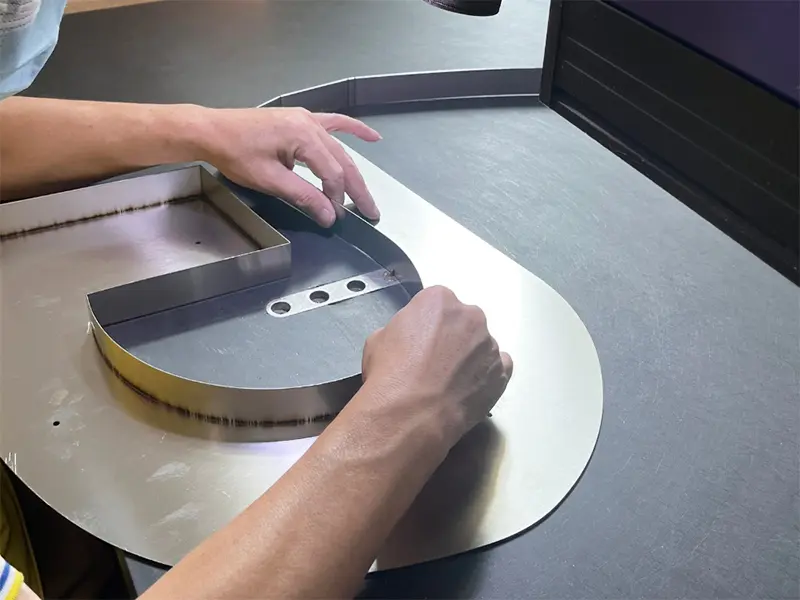
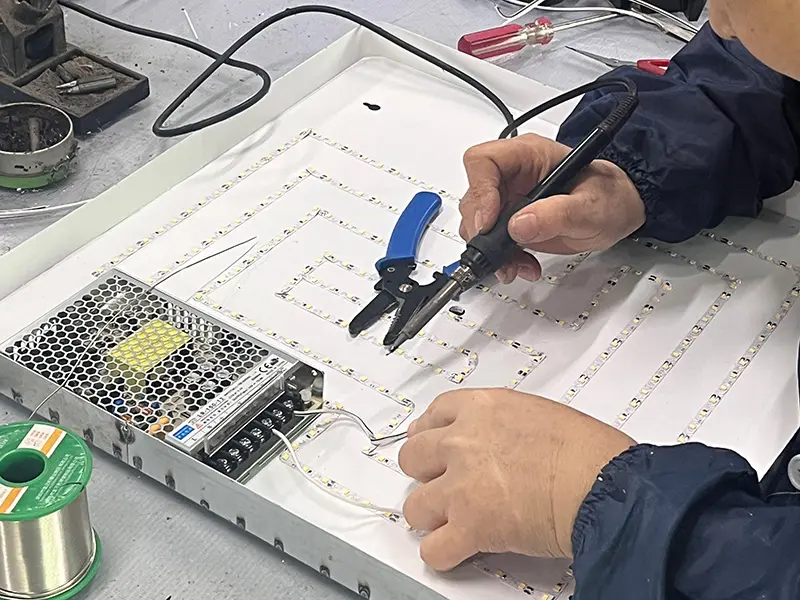
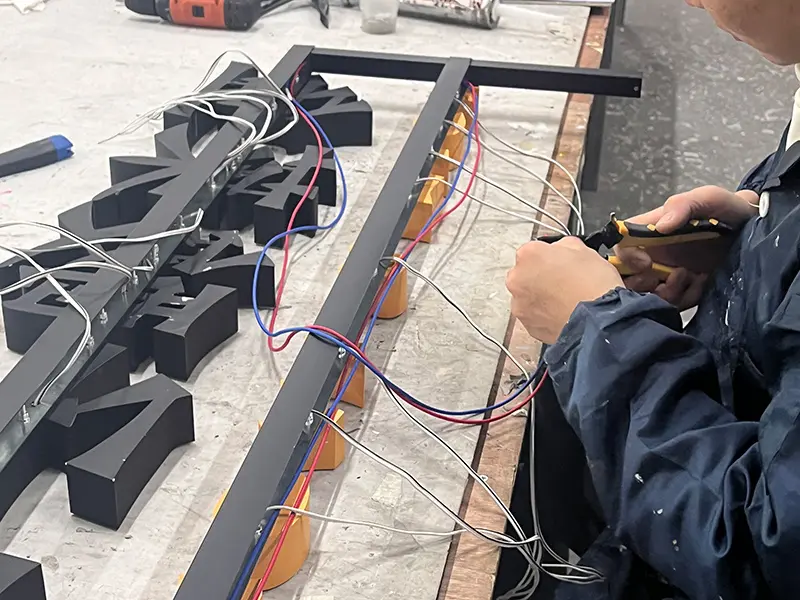
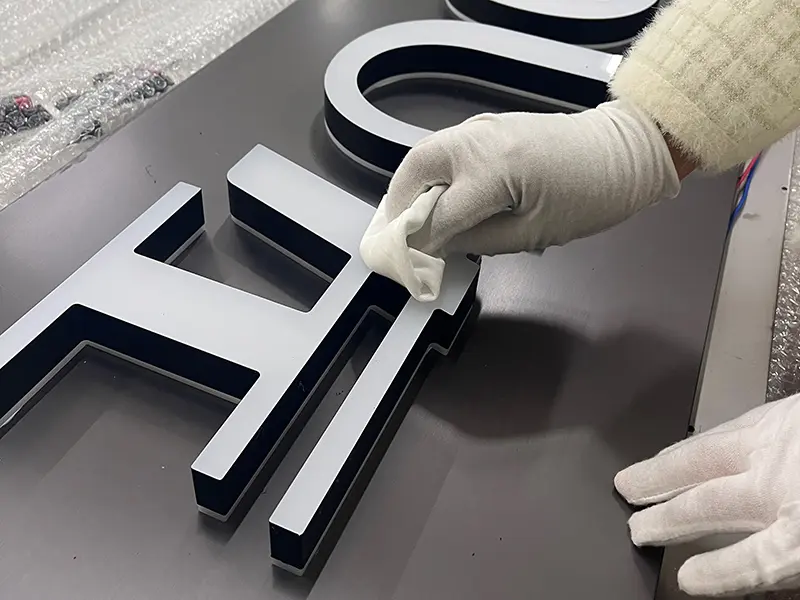
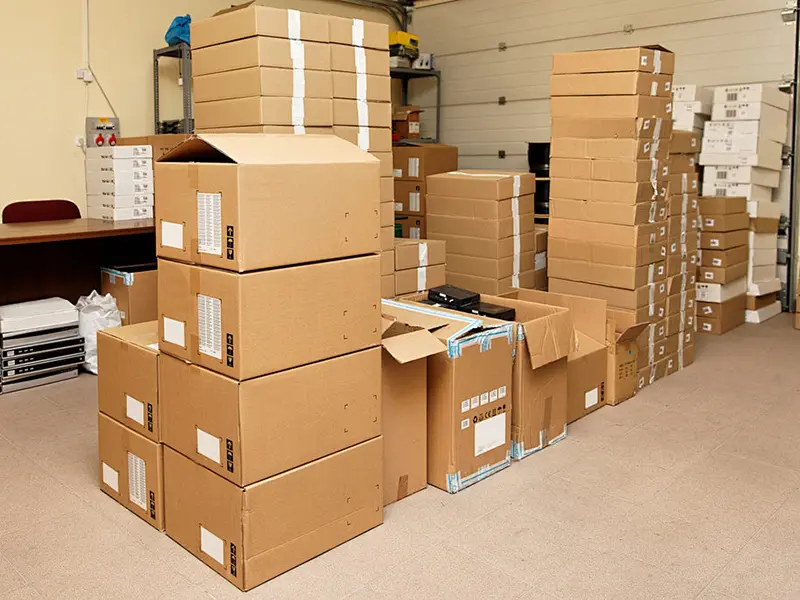
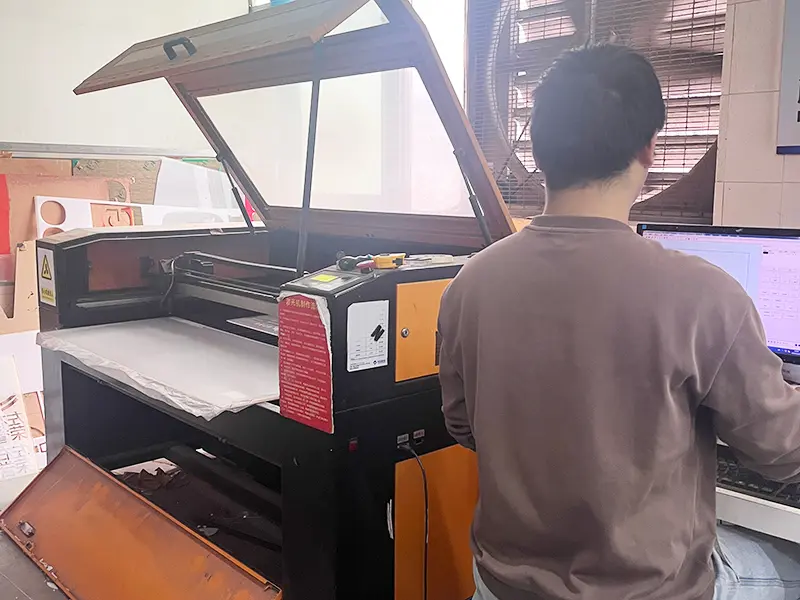
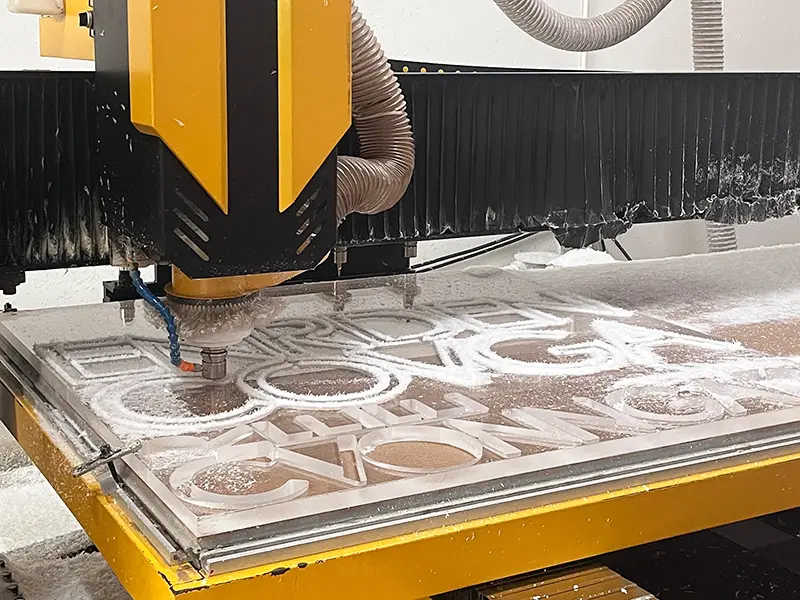
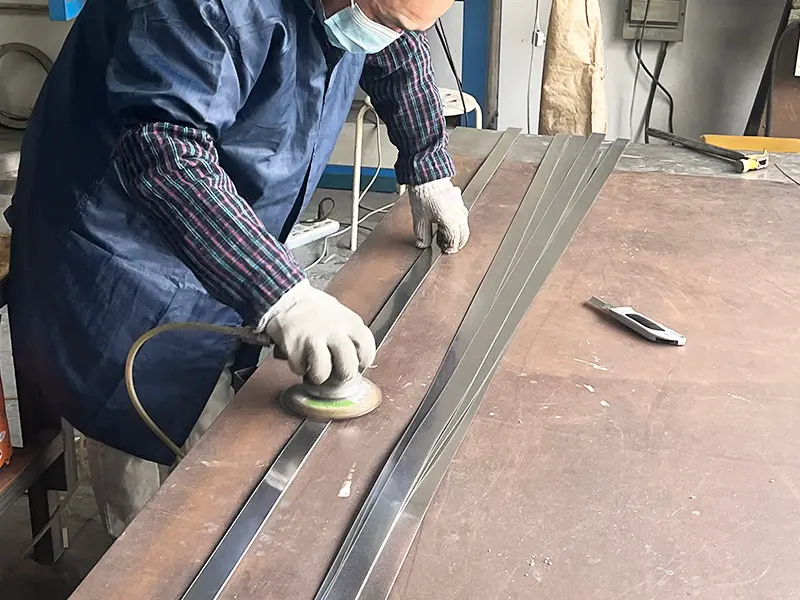

We leverage our vertically integrated facility to provide cost-effective manufacturing and reliable project execution for global B2B clients.
We have advanced production equipment, professional production lines, and an excellent QC team to ensure reliable quality control and direct pricing.
We provide comprehensive after-sales support alongside dedicated customer service to quickly address technical inquiries and project modifications.
Our professional design and engineering teams handle every stage of your project, from initial concept drawings to final manufacturing configurations.
We offer flexible OEM and ODM services, supporting custom dimensions, special materials, and complex circuit integrations to match your design files.
Navigating municipal building codes and national electrical standards is a critical step in architectural signage procurement. Standard, uncertified signage systems can lead to project delays, failed site inspections, or potential safety liabilities. We address these challenges by matching our manufacturing processes with the local regulatory requirements of your target market.
For installations in North America, we configure our signs with UL-certified power components, low-voltage wiring pathways, and approved grounding systems. For projects in the European Economic Area, we supply CE-compliant systems that adhere to the Low Voltage Directive (LVD) and Electromagnetic Compatibility (EMC) regulations. In Australia and New Zealand, we ensure compliance with SAA and RCM standards, providing ready-to-install hardware for local electrical networks.
Beyond electrical safety, environmental regulations like RoHS play a key role in public-facing commercial developments. By choosing lead-free solders and mercury-free LEDs, we help developers meet strict eco-friendly requirements. Our project support also includes providing detailed electrical layout sheets, structural mounting templates, and calculation data sheets to help your local installation team secure local municipal permits.
Premium acrylic signage is highly adaptable, fitting seamlessly into various high-end commercial environments. Choosing the correct mounting system is essential for both structural safety and visual impact:
During the design phase, our engineers select the optimal installation configuration based on the wall substrate—whether concrete, dry-wall, metal panels, or structural glass. We provide custom CAD templates showing mounting hole layouts, wire exits, and power supply locations, helping local electrical contractors complete installations quickly and safely.
As corporate sustainability initiatives expand globally, architectural signage is shifting toward eco-friendly designs. Modern fabrication focus is moving from simple visual impact to lifecycle sustainability, energy efficiency, and material circularity.
This shift centers on the sourcing of acrylic materials. We are working closely with resin suppliers to integrate PMMA sheets derived from recycled monomer processes. Recycled PMMA retains the same optical clarity and UV resistance as virgin polymer but features a significantly smaller carbon footprint, helping developers earn valuable LEED credits.
At the same time, improvements in LED efficiency are reducing energy consumption. Modern high-lumen, low-wattage LEDs cut power usage by up to 40% compared to older LED systems. In addition, integrating smart controllers, photocells, and programmed dimming systems allows signage brightness to adjust automatically to changing daylight conditions, preventing unnecessary power use and extending the system's operating life.
Find answers to common questions about technical specifications, material selection, certification compliance, and ordering processes.
Explore more of our custom-engineered lightboxes, metallic storefront letters, and specialty LED signage options.
 Xinliangdian