Choosing among the 10 Best LED Signage Manufacturers Worldwide requires more than comparing screen size or product prices. A bright display may look impressive in a showroom. It may perform differently under direct sunlight, heavy rain, dust, or continuous operation. This introduction examines manufacturers through practical criteria, including pixel pitch, brightness, color consistency, cabinet design, energy use, warranty coverage, and technical support. Installation experience matters too. A reliable supplier should provide clear specifications, tested components, replacement modules, and realistic maintenance guidance.
Alan Brawn, a longtime digital signage consultant and educator, has said, “Digital signage is not a technology; it is a communications medium.” That observation remains important for every Led Signage project. The best display is not automatically the largest or brightest. It should match the viewing distance, content purpose, location, and operating conditions. A shopping mall may need fine pixel detail. A roadside billboard may require stronger brightness and weather protection. An indoor event venue may prioritize lightweight cabinets and fast installation.
This review approaches global manufacturers with professional caution. Brand reputation helps, but it cannot replace verified performance. Independent testing, customer feedback, compliance documentation, and after-sales service deserve equal attention. Some comparisons remain subjective. No ranking is perfect. A lower purchase price can hide complex maintenance costs, while a premium product may exceed a small project’s needs. Readers should confirm current specifications, local service availability, and regulatory requirements before making a final decision. The goal is practical guidance, not exaggerated praise.
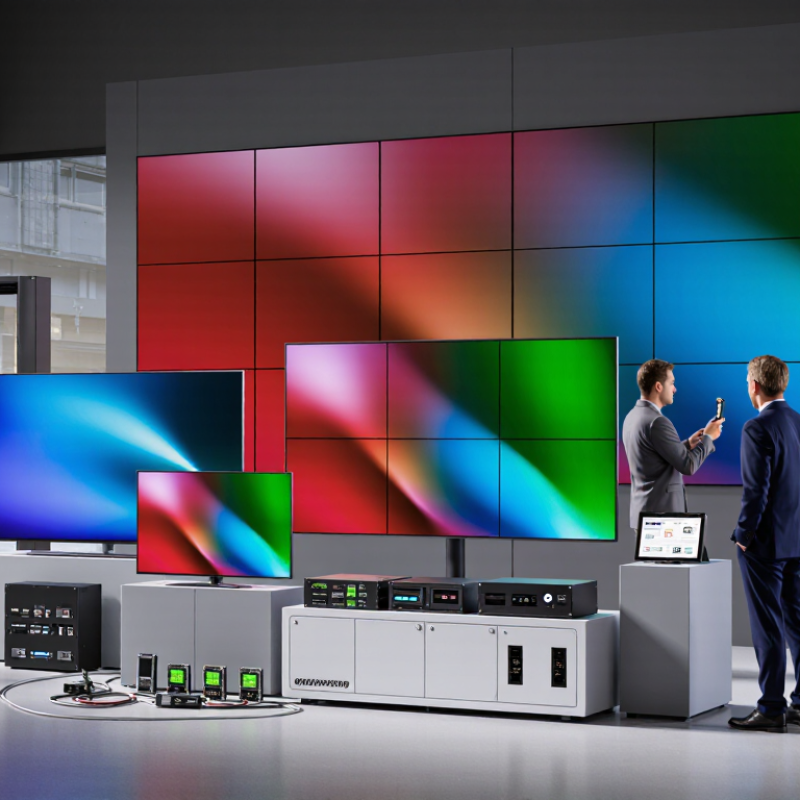
A leading LED signage manufacturer is not defined by a bright showroom alone. Its strength appears on real installations, under harsh sunlight, rain, dust, and constant operation. Experienced manufacturers measure brightness, color consistency, heat control, and power efficiency before shipment. They also test complete display modules, not only individual components. Small details matter, such as sealed cabinets, secure connectors, and accessible maintenance doors.
Engineering evidence should support every major claim. Reliable manufacturers provide clear pixel specifications, viewing-distance guidance, electrical data, test reports, and installation drawings. Their products should meet recognized safety and electromagnetic standards for the intended market. Experienced technical teams can explain refresh rates, grayscale performance, cabinet weight, and thermal design without hiding behind vague language. That clarity builds professional trust.
Service quality often separates capable suppliers from impressive sales teams. A dependable manufacturer offers responsive troubleshooting, replaceable modules, firmware support, spare-part planning, and practical warranty terms. Clear communication matters when a screen fails before an important event. No factory is flawless. I have seen projects suffer from underestimated wind loads, weak content planning, or poor ventilation. A responsible manufacturer discusses these risks early and records corrective actions. It should also welcome independent inspection, because confidence should come from evidence rather than polished promises.
Comparing global LED signage companies requires more than checking cabinet prices. Grand View Research valued the worldwide digital signage market at approximately USD 27.3 billion in 2023, with continued growth expected through 2030. That expansion makes supplier selection harder, not easier. Buyers should examine pixel pitch, brightness consistency, refresh rate, color calibration, and viewing distance. A fine-pitch display may look impressive indoors but waste energy outdoors. Context matters.
Reliability needs measurable evidence. Ask for failure-rate records, operating-temperature ranges, ingress protection ratings, and independent safety certifications. The LED display market is projected to grow strongly, according to Fortune Business Insights, which estimated its 2023 value at roughly USD 7.5 billion. Growth can hide uneven engineering quality. Inspect sample modules, connector design, power supplies, and thermal management before signing a contract. Request warranty terms in writing, including response times and replacement-part availability.
Service capacity often separates a dependable global manufacturer from a low-cost exporter. Compare regional technicians, spare-part warehouses, remote monitoring, software compatibility, and documented installation procedures. Energy use also deserves attention; a slightly cheaper screen can create higher lifetime costs through cooling and electricity. Field experience suggests that brightness claims may vary between laboratory tests and real streets. I would therefore request a live demonstration under comparable lighting conditions. No supplier should be judged from specifications alone.
Profile One represents a Chinese manufacturer known for high-volume outdoor displays. Its production teams usually emphasize fine-pitch calibration, weather sealing, and modular cabinet repair. Factory inspection records matter more than attractive showroom videos.
Profile Two operates from South Korea and focuses on premium indoor walls. Engineers often prioritize color consistency, quiet cooling, and narrow viewing distances.
Profile Three, based in Germany, serves transport and public-information projects. Its strength is documented testing, clear maintenance procedures, and dependable control systems.
Profile Four comes from the United States, where rental displays support concerts, exhibitions, and sports venues. Technicians value quick-lock cabinets and easy access to spare modules.
Profile Five is an Australian supplier experienced with intense sunlight and coastal conditions. Its designs often include strong brightness control, corrosion protection, and remote monitoring.
Profile Six is a Japanese manufacturer associated with precise engineering and long operating cycles. Its displays may use careful thermal management, though premium specifications can increase costs.
Profile Seven serves Middle Eastern projects, adapting cabinets for heat, dust, and large viewing distances. Site testing remains essential.
Profile Eight is a European producer specializing in architectural façades and creative media surfaces. It balances visual design with structural safety, but complex installations can require longer planning.
Profile Nine supports Latin American retailers with practical, scalable systems and regional service teams. Availability of replacement parts should be confirmed before purchase.
Profile Ten focuses on energy-efficient signage and cloud-based diagnostics. Its technology looks promising, yet network reliability and data security deserve careful review.
No supplier is perfect. Field references, sample testing, warranty terms, and service response reveal more than rankings.
The 10 best LED signage manufacturers worldwide should be assessed by product range, technology, and application fit. Product portfolios commonly include indoor fine-pitch displays, outdoor billboards, rental panels, transparent screens, and small-format message boards. Fortune Business Insights reported that the global digital signage market reached about USD 27 billion in 2023. This growth increases demand for reliable, serviceable LED systems.
Technology separates capable manufacturers from simple panel assemblers. Look for high refresh rates, energy-efficient diodes, front maintenance, automatic brightness control, and protection against dust and moisture. Fine-pitch products can support close viewing in airports, retail stores, and control rooms. Outdoor systems need strong contrast under direct sunlight. They also require thermal management during long operating hours.
MarketsandMarkets forecasts continued expansion in the LED display market, driven by advertising, sports venues, transportation, and corporate communication.
Application evidence matters. A stadium display needs impact resistance and live-content compatibility. A luxury store needs quiet operation and precise color calibration. Factories often prioritize uptime over ultra-fine resolution.
Site testing should examine viewing distance, ambient light, power consumption, and replacement procedures. No ranking is perfect. Some manufacturers publish impressive specifications, yet field support remains unclear. Independent testing, warranty terms, spare-parts access, and documented installation experience deserve equal weight. Small details matter.
Choosing the 10 best LED signage manufacturers worldwide requires more than comparing brightness or price. Global service matters when a display fails during a rainy outdoor event. Reliable manufacturers provide regional technicians, spare modules, remote diagnostics, and clear warranty response times. Spare parts should be available locally, not delayed for months.
Market data supports this wider view. MarketsandMarkets estimated the digital signage market at USD 27.8 billion in 2023, with projections reaching USD 45.3 billion by 2028. That growth increases pressure on manufacturers to standardize production and support. Buyers should examine ISO 9001 quality systems, documented burn-in testing, EMC compliance, and applicable IEC safety requirements. Outdoor products also need verified IP ratings, stable thermal management, and tested brightness performance.
Small details matter. A service team should explain pixel-pitch choices, cabinet access, color calibration, and power consumption clearly. Vague promises are not enough. Field evaluation can include factory audits, sample testing, and reference-site checks across different climates. Yet no ranking is flawless. A manufacturer may offer excellent engineering but weak local support. Another may provide fast service but limited customization. This tension deserves attention. The strongest candidates combine dependable hardware, transparent documentation, trained partners, and practical market reach. Performance should remain consistent from a shopping mall in Singapore to a roadside installation in northern Europe.
Compare product fit, testing records, warranty terms, spare parts, and service response. Showroom videos are not enough.
Choose strong brightness control, weather sealing, thermal management, and dust protection. Test visibility under direct sunlight.
Look for consistent colors, quiet cooling, fine pixel pitch, and comfortable viewing at short distances. Small details matter.
Check refresh rate, energy use, front maintenance, automatic brightness, and moisture protection. Specifications can still mislead.
They need impact resistance, quick-lock cabinets, and reliable live-content compatibility. Fast module replacement helps during crowded events.
Test viewing distance, ambient light, power consumption, heat, and replacement procedures. A sample may reveal installation problems.
Confirm modular repairs, accessible spare parts, clear procedures, and local technical support. Availability may change unexpectedly.
They can support remote diagnostics and energy monitoring. Network reliability and data security require careful review. No system is perfect.
This article explores what distinguishes a leading Led Signage manufacturer in the global market. It examines essential comparison criteria, including display brightness, color accuracy, energy efficiency, durability, customization options, software compatibility, production capacity, and after-sales support. The featured manufacturers are evaluated through a balanced review of their product portfolios, technical capabilities, quality control systems, and ability to serve different industries and project sizes.
The overview also considers how Led Signage solutions are applied in retail, transportation, entertainment, sports, corporate communication, public spaces, and outdoor advertising. Special attention is given to indoor and outdoor displays, fine-pitch screens, transparent panels, rental systems, smart control technologies, and weather-resistant designs. In addition, the article highlights international service networks, installation guidance, maintenance resources, certifications, delivery reliability, and market coverage, helping readers compare global suppliers and select a dependable partner for long-term visual communication needs.

Xinliangdian