Choosing a China Light Box manufacturer requires more than comparing factory prices. It requires measurable quality, stable supply, and practical design experience.
Grand View Research valued the global LED lighting market at approximately USD 78.9 billion in 2023. Its report also forecasts strong growth through 2030. These figures matter because LED performance directly affects brightness, energy use, and operating costs. A reliable supplier should explain LED type, color temperature, CRI, luminance, heat management, and expected service life.
Lighting designer Richard Kelly famously described light as “the key to all visual experience.” His statement remains relevant to modern advertising displays. A well-designed Light Box should create even illumination, sharp graphics, and comfortable viewing from several metres away. Edge-lit panels suit slim retail walls, while backlit cabinets often provide stronger brightness for outdoor signage. The correct choice depends on viewing distance, installation space, weather exposure, and maintenance access.
China’s manufacturing sector offers extensive aluminium profiles, acrylic panels, LED modules, and printing capabilities. However, not every factory applies the same controls. Sample approval, incoming-material inspection, brightness testing, and aging tests can reveal important differences. ISO 9001 procedures may support consistency, but certificates alone cannot replace production evidence. Ask for test records, packaging photographs, installation guidance, and clear warranty terms.
No supplier is perfect. A beautiful sample may hide uneven brightness or fragile wiring. Responsible sourcing includes checking those weaknesses before mass production. This guide examines China’s leading Light Box manufacturers and suppliers through product quality, customization, communication, delivery reliability, and after-sales support. The goal is simple: select a partner that performs reliably after installation, not only during quotation.
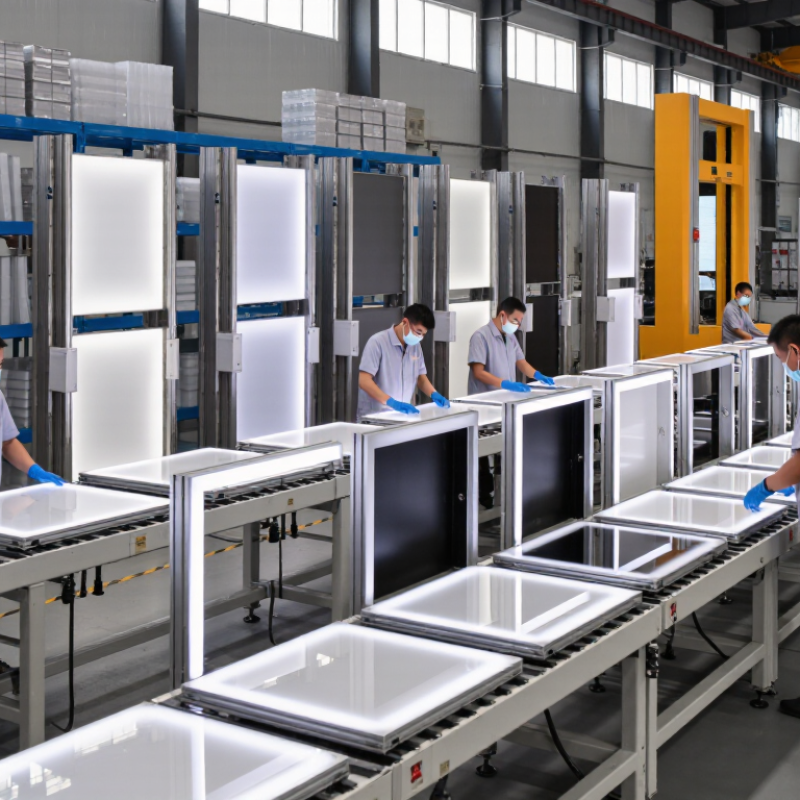
A light box manufacturer designs and produces illuminated display structures for retail, exhibitions, wayfinding, and architectural spaces. Its work covers frame selection, light source layout, diffusion materials, wiring, and surface finishing. A supplier connects these products with buyers and manages quotations, sampling, packaging, delivery, and after-sales communication. In practical terms, the manufacturer builds the product. The supplier makes the process usable.
An experienced manufacturer should read more than a drawing. It should examine viewing distance, installation conditions, brightness needs, power access, and cleaning routines. LED spacing matters. So does heat control. Uneven light can create visible patches across fabric or acrylic. A reliable supplier requests dimensions, artwork files, mounting details, and target quantity before confirming a price. Samples, color checks, insulation tests, and aging tests can expose problems early. These steps are not decoration; they protect the buyer’s time and budget.
China’s manufacturing network can support custom sizes, export packaging, and scalable production, but “best” should not mean cheapest. A low quotation may omit testing, spare parts, or clear installation guidance. No supplier gets every project right. Mistakes happen, especially when measurements are assumed. Transparent communication helps correct them. Buyers should ask for material specifications, production photos, inspection records, and realistic lead times. A dependable partner explains limitations, documents changes, and keeps quality consistent from the first sample to the final shipment.
| Data Dimension | Definition or Role | Typical Industry Practice | Why It Matters to Buyers |
|---|---|---|---|
| Product Definition | A light box is an illuminated display structure that uses an internal light source to evenly illuminate printed graphics, translucent panels, or digital advertising content. | Common formats include wall-mounted, freestanding, hanging, outdoor, countertop, fabric-frame, and cabinet-style light boxes. | The definition helps purchasers select a format suitable for retail, exhibitions, transportation areas, hospitality, or architectural signage. |
| Manufacturer | A manufacturer designs, engineers, fabricates, assembles, tests, and packages light box products or their main components. | Manufacturing activities may include frame fabrication, diffuser preparation, LED installation, wiring, surface finishing, assembly, and quality inspection. | Direct manufacturing capability can support customization, production consistency, technical communication, and quality control. |
| Supplier | A supplier provides products, components, sourcing coordination, documentation, logistics, and after-sales support to commercial or project customers. | A supplier may manufacture products directly or coordinate production through qualified production partners. | A capable supplier can simplify procurement, consolidate orders, coordinate delivery, and provide one point of contact for project requirements. |
| Light Source | The light source generates the illumination required to make the graphic or display surface visible. | LEDs are widely used because they offer low energy consumption, long service life, low heat generation, and compact installation options. | Light-source selection affects brightness, energy use, heat management, maintenance frequency, and operating cost. |
| Illumination Uniformity | Illumination uniformity describes how evenly light is distributed across the visible display area. | Design methods include carefully spaced LED modules, reflective interiors, light-guiding panels, and suitable diffuser materials. | Even illumination reduces bright spots, dark areas, and visible shadows, improving graphic readability and visual quality. |
| Frame Materials | The frame supports the light source, graphic, diffuser, and protective elements. | Aluminum is frequently used for lightweight frames, while steel and engineered plastics may be selected for specific structural or design requirements. | Material selection influences strength, weight, corrosion resistance, appearance, installation method, and service life. |
| Graphic or Front Panel | The front panel is the visible surface that carries printed graphics, translucent artwork, or a protective cover. | Typical options include backlit textile graphics, translucent films, acrylic sheets, polycarbonate panels, and printed flexible materials. | The selected material affects color appearance, image sharpness, replacement procedures, durability, and total maintenance cost. |
| Electrical System | The electrical system distributes power to the LEDs and may include drivers, connectors, switches, dimmers, and protective devices. | The system is selected according to input voltage, power demand, enclosure design, installation environment, and applicable electrical requirements. | Correct electrical design supports safe operation, stable brightness, easier maintenance, and compatibility with the installation site. |
| Customization | Customization adapts the light box to a project’s dimensions, mounting method, brightness requirements, graphic format, and operating environment. | Common custom options include non-standard sizes, corner structures, double-sided displays, curved forms, special finishes, and removable graphics. | Customization helps the display fit available space, brand guidelines, architectural conditions, and installation constraints. |
| Indoor Applications | Indoor light boxes are designed for controlled environments with limited exposure to rain, dust, wind, and extreme temperature changes. | Typical locations include retail stores, shopping centers, offices, hotels, restaurants, trade shows, museums, and transit interiors. | Indoor products can prioritize slimness, appearance, low noise, quick graphic replacement, and ease of installation. |
| Outdoor Applications | Outdoor light boxes are designed for exposure to environmental conditions such as moisture, dust, sunlight, wind, and temperature variation. | Typical uses include exterior building signage, roadside advertising, commercial entrances, public facilities, and outdoor event areas. | Outdoor suitability depends on enclosure design, sealing, drainage, corrosion resistance, structural support, and local installation requirements. |
| Quality Control | Quality control verifies that materials, dimensions, electrical functions, appearance, illumination, and packaging meet the agreed specifications. | Checks may include incoming material inspection, assembly inspection, lighting tests, electrical safety checks, surface inspection, and final packing review. | A documented inspection process reduces defects, installation delays, uneven lighting, transit damage, and repeat service requests. |
| Packaging and Logistics | Packaging protects frames, panels, graphics, electrical parts, and finished assemblies during storage and transportation. | Large or fragile units may require reinforced cartons, protective films, foam supports, pallets, or partial disassembly. | Proper packaging and shipment planning help reduce scratches, deformation, breakage, missing parts, and delivery-related project disruptions. |
| Technical Documentation | Technical documentation records product specifications and explains installation, operation, maintenance, wiring, and replacement procedures. | Documents may include drawings, dimensions, power information, installation instructions, packing lists, and maintenance guidance. | Clear documentation supports accurate quotation, safe installation, efficient troubleshooting, and future component replacement. |
| After-Sales Support | After-sales support includes technical assistance, spare-part coordination, warranty handling, troubleshooting, and service communication after delivery. | Support requirements often cover LED modules, power supplies, graphic replacement, installation questions, and product-use guidance. | Responsive support can reduce downtime, extend product service life, and improve the overall value of the light box project. |
A manufacturer designs frames, LED layouts, diffusers, wiring, and surface finishes. It turns drawings into physical illuminated displays. Samples matter.
A supplier manages quotations, samples, packaging, shipping, and after-sales communication. It should also explain installation details and product limitations.
Consider viewing distance, available depth, brightness, maintenance, and graphic replacement needs. Edge-lit models save space, while backlit models usually appear brighter.
Fabric models suit exhibitions and trade displays. Their graphics can be replaced without rebuilding the frame. The textile must remain evenly tensioned.
Provide dimensions, artwork files, mounting details, quantity, installation location, and power conditions. Missing measurements often create avoidable changes later.
Ask for sample testing, LED spacing details, brightness checks, and color reviews. Large panels need special attention because visible patches may appear.
Outdoor units need sealed frames, stable mounting, moisture-resistant materials, and temperature tolerance. Appearance is useful, but safety and durability matter more.
Not necessarily. A cheap quote may exclude testing, spare parts, installation guidance, or realistic delivery time. Thin is not everything.
Request material specifications, production photos, inspection records, insulation tests, aging results, and replacement instructions. No process is perfect, so clear records help correct mistakes.
Choosing only by price can cause uneven lighting, weak materials, or difficult maintenance. Measure twice. A better decision balances cost, performance, and service.
A Light Box manufacturer and supplier designs, produces, and delivers illuminated display solutions for retail stores, exhibitions, offices, advertising spaces, and public facilities. Depending on the intended use, products may include fabric light boxes, acrylic displays, SEG frames, freestanding units, wall-mounted panels, and outdoor models. Each type can provide different benefits in terms of brightness, portability, installation method, durability, and visual impact. Reliable manufacturing should focus on stable LED performance, uniform illumination, strong structural materials, safe electrical components, energy efficiency, and consistent finishing quality.
When evaluating a China-based Light Box supplier, buyers should review production capabilities, quality management procedures, customization options, communication efficiency, and previous export experience. A dependable supplier should support artwork preparation, size and material selection, prototype confirmation, sample approval, and detailed pre-shipment inspection. Clear packaging, accurate documentation, delivery coordination, and responsive after-sales service are also important. By assessing these factors carefully, customers can obtain practical, attractive, and durable light box solutions that match their branding, installation environment, budget, and project schedule.

 Xinliangdian