The world of advertising is evolving, and backlit signs are taking center stage. These illuminated displays capture attention like no other. They are popular for businesses aiming to stand out. With the rise of digital technology, backlit signs have become more innovative and versatile.
In 2026, several key trends are shaping this market. Businesses must be aware of these shifts. Modern designs focus on energy efficiency and eco-friendly materials. This shift not only reduces operational costs but also enhances brand image. Additionally, customization has become crucial, allowing brands to create unique displays that reflect their identity.
However, not every choice is perfect. Buyers often overlook the importance of placement and visibility. A well-designed backlit sign loses impact if poorly positioned. It's vital to balance aesthetics with functionality. A thoughtful approach ensures that backlit signs effectively engage customers, driving foot traffic and boosting sales.
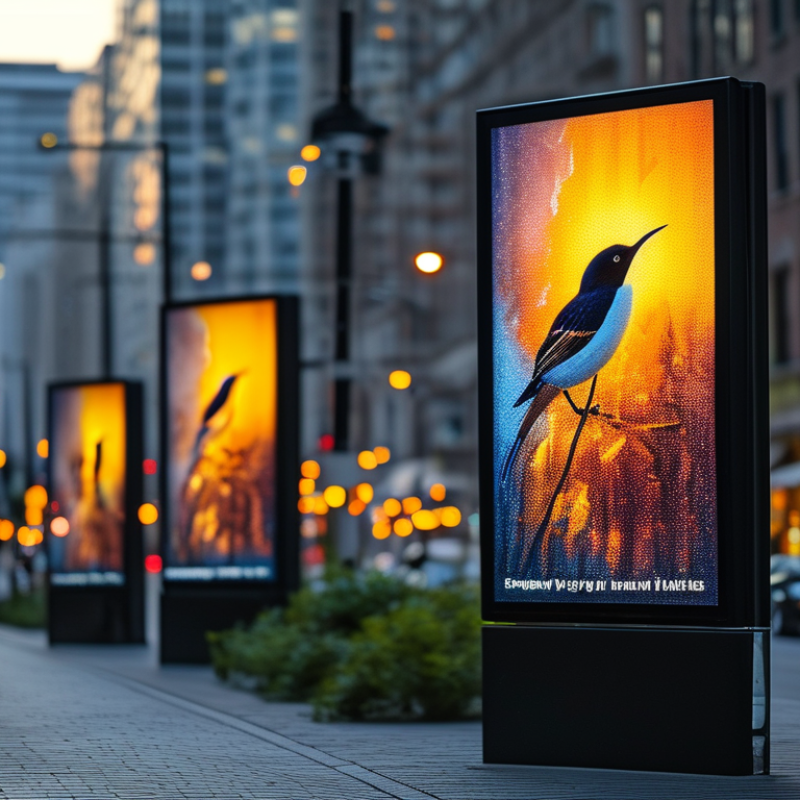
The landscape of backlit sign design is rapidly evolving. Emerging technologies are influencing creativity and functionality. A recent report by Grand View Research highlights that the global market for digital signage is projected to reach $31.71 billion by 2026, reflecting a shift towards innovative designs.
Smart LEDs and OLED technology lead the way in this transformation. These advancements allow for vibrant colors and dynamic displays. According to Market Research Future, the adoption of OLED in signage has seen an increase of 15% annually. This trend enables businesses to capture attention more effectively. Additionally, automated systems for brightness control based on ambient light offer more sustainable options.
Augmented reality (AR) also plays a significant role. Utilizing AR can create interactive experiences that engage potential customers. It fosters deeper connections and can showcase products in real-time. However, embracing these technologies requires understanding their complexities. Ensuring compatibility with existing systems can be challenging. Thus, businesses must consider whether to invest in training or new platforms to stay competitive. Balancing innovation with practicality remains a critical consideration in this evolving space.
| Trend | Description | Technology Used | Impact on Design |
|---|---|---|---|
| Sustainable Materials | Use of eco-friendly materials in sign production. | Recyclable plastics, natural composites | Innovative designs that appeal to eco-conscious consumers. |
| Smart Technology Integration | Incorporating screens and sensors for interactivity. | IoT devices, touchscreen interfaces | Enhances user engagement through interactive displays. |
| Dynamic Lighting | Adaptive brightness according to ambient light. | LED technology, daylight sensors | Improves visibility and aesthetics in different lighting conditions. |
| Customizable Designs | Ability to personalize signs based on customer preferences. | 3D printing, modular components | Flexibility in design leads to unique branding opportunities. |
| Augmented Reality Features | Integrating AR for enhanced viewer experience. | Smartphone applications, AR glasses | Transforms static signs into interactive experiences. |
: Smart LEDs and OLED technology are leading advancements, enabling vibrant colors and dynamic displays.
Over 70% of consumers prefer brands that embrace sustainability, pushing manufacturers towards greener practices.
Recycled plastics, bamboo, and biodegradable materials are gaining popularity for reducing waste and carbon footprints.
AR creates interactive experiences that engage customers and showcase products in real-time, improving connections.
Many struggle with ensuring software and hardware interoperability, which is crucial for effective smart signage.
Cost and inconsistent eco-friendly standards among suppliers complicate the sourcing process for manufacturers.
Data analytics helps businesses understand customer behavior and inform real-time changes in promotions and messages.
Energy-efficient LEDs consume 75% less energy than traditional bulbs, lowering operational costs and environmental impact.
Investing in reliable sourcing and understanding software compatibility are necessary for successful integration.
Focusing solely on technology can neglect important factors like genuine customer connection and engagement.
In 2026, the evolution of backlit sign designs is heavily influenced by emerging technologies and sustainable practices. Innovations in digital elements and smart features are enhancing the functionality and aesthetic appeal of backlit signs, enabling them to connect with audiences in engaging ways. Additionally, the focus on eco-friendly materials and manufacturing processes is becoming a priority, reflecting a growing commitment to sustainability in the signage industry.
Customization and personalization trends are also shaping backlit signage, allowing businesses to tailor their displays to better resonate with their target audiences. Innovative lighting solutions are enhancing visibility and elevating the overall signage experience, ensuring that backlit signs not only capture attention but also convey messages effectively. As these trends converge, backlit signs are set to become more versatile and impactful in various settings.

 Xinliangdian